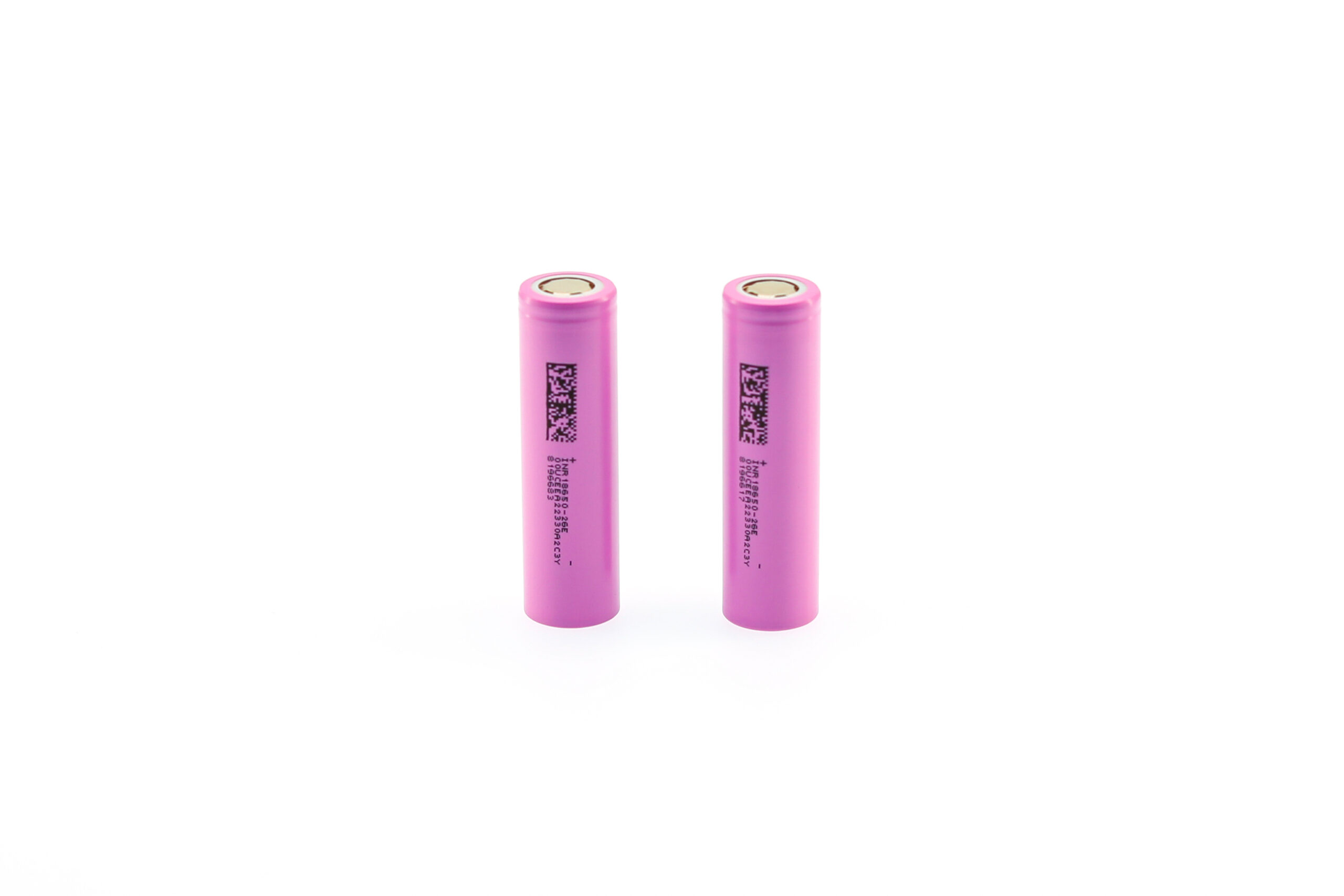
Fix Capacity Mismatch in Parallel 21700 Battery Strings
In the evolving landscape of energy storage and electric mobility, the 21700 cylindrical cell has become a cornerstone for high-performance battery packs. As we advance through 2026, applications ranging from humanoid robotics to light electric vehicles demand unprecedented reliability. However, a critical engineering challenge persists: capacity mismatch in parallel battery strings. For technical procurement managers and battery pack engineers, understanding and mitigating this issue is not just about performance—it is about safety and longevity. This article dissects the root causes of capacity mismatch and provides actionable technical solutions to optimize parallel 21700 configurations.
Understanding Capacity Mismatch in Parallel Configurations
When 21700 cells are connected in parallel, they share the same voltage but divide the current load based on their internal impedance and state of charge (SOC). Ideally, each cell contributes equally. In reality, manufacturing tolerances and aging characteristics create discrepancies. Capacity mismatch occurs when cells within a parallel group possess different available energy capacities.
The immediate consequence is uneven current distribution. During discharge, cells with lower internal resistance may deliver more current, leading to localized heating. During charge, cells with lower actual capacity may reach full charge sooner, risking overvoltage if the Battery Management System (BMS) monitors only the group voltage. Over time, this accelerates degradation in the weaker cells, creating a feedback loop that diminishes the total pack life.
Precision Grading: The First Line of Defense
The most effective method to prevent capacity mismatch is rigorous cell sorting before assembly. Relying solely on nominal capacity ratings from battery manufacturers in China is insufficient for high-stakes applications. Engineers must implement multi-parameter grading.
- Open Circuit Voltage (OCV) Matching: Cells should be grouped within a tight OCV window, typically less than 5mV difference, to ensure similar initial SOC.
- AC Internal Resistance (ACIR): Matching impedance is crucial for current sharing. A variance of more than 3-5% in ACIR can lead to significant current imbalance during high-rate pulses.
- Capacity Testing: Cells should be cycled and grouped by actual delivered capacity, not just rated specifications. For instance, when sourcing cylindrical battery cells, request detailed binning data to ensure consistency within the parallel string.
Advanced manufacturing lines in 2026 now utilize automated sorting machines that correlate OCV, ACIR, and capacity to create highly homogeneous groups. Procurement teams should specify these grading tolerances in their technical agreements.
BMS Strategies for Mitigation
Even with perfect initial matching, cells age differently due to micro-environmental variations within the pack. A robust BMS is essential to manage drift over time.
- Passive Balancing: This method dissipates excess energy from higher-voltage cells as heat. While cost-effective, it is inefficient for large capacity mismatches and generates thermal load.
- Active Balancing: For parallel 21700 strings in high-energy applications, active balancing is preferred. It transfers energy from higher-voltage cells to lower-voltage ones or directly to the bus. This ensures that minor capacity divergences do not limit the usable pack capacity.
Engineers must configure the BMS to monitor individual cell voltages where possible, even in parallel groups. Adding sense wires to sub-groups can help identify a failing cell before it compromises the entire string.
Thermal Management and Environmental Control
Temperature is a silent driver of capacity mismatch. Lithium-ion kinetics are temperature-dependent. A cell operating at 45°C will exhibit different impedance and aging rates compared to one at 25°C. In a tightly packed 21700 module, center cells often run hotter than edge cells.
To mitigate this:
- Uniform Cooling: Ensure the thermal interface material (TIM) and cooling plates provide uniform heat extraction across all cells.
- Spacing: Adequate spacing between cells allows for air or liquid cooling circulation, reducing thermal gradients.
- Monitoring: Place temperature sensors strategically throughout the pack, not just on the surface. Data from these sensors should feed into the BMS to adjust charge/discharge limits dynamically.
Selecting the Right Manufacturing Partner
Resolving capacity mismatch starts before the cells even reach your assembly line. Partnering with a manufacturer that prioritizes consistency is vital. High-quality 21700 cells come from production lines with strict process controls, minimizing the initial variance that engineers must later manage.
When evaluating suppliers, look for certifications and data transparency. A reliable partner will provide detailed test reports and support custom binning requirements. For technical consultations or to discuss specific grading needs for your project, you can reach out via the contact page. Establishing a direct line of communication with the manufacturer ensures that your technical specifications regarding capacity tolerance and impedance matching are clearly understood and met.
Conclusion
Fixing capacity mismatch in parallel 21700 battery strings requires a holistic approach combining precise cell grading, intelligent BMS design, and effective thermal management. As industries push for higher energy densities and longer cycle lives in 2026, the tolerance for error diminishes. Engineers and procurement specialists must prioritize cell consistency and system-level monitoring to unlock the full potential of lithium-ion technology. By addressing these factors proactively, businesses can ensure safer, longer-lasting, and more efficient battery packs for the next generation of applications.