Fast Charging Without Heat 18650 LFP Cells for Electric Motorcycle – B2B Export
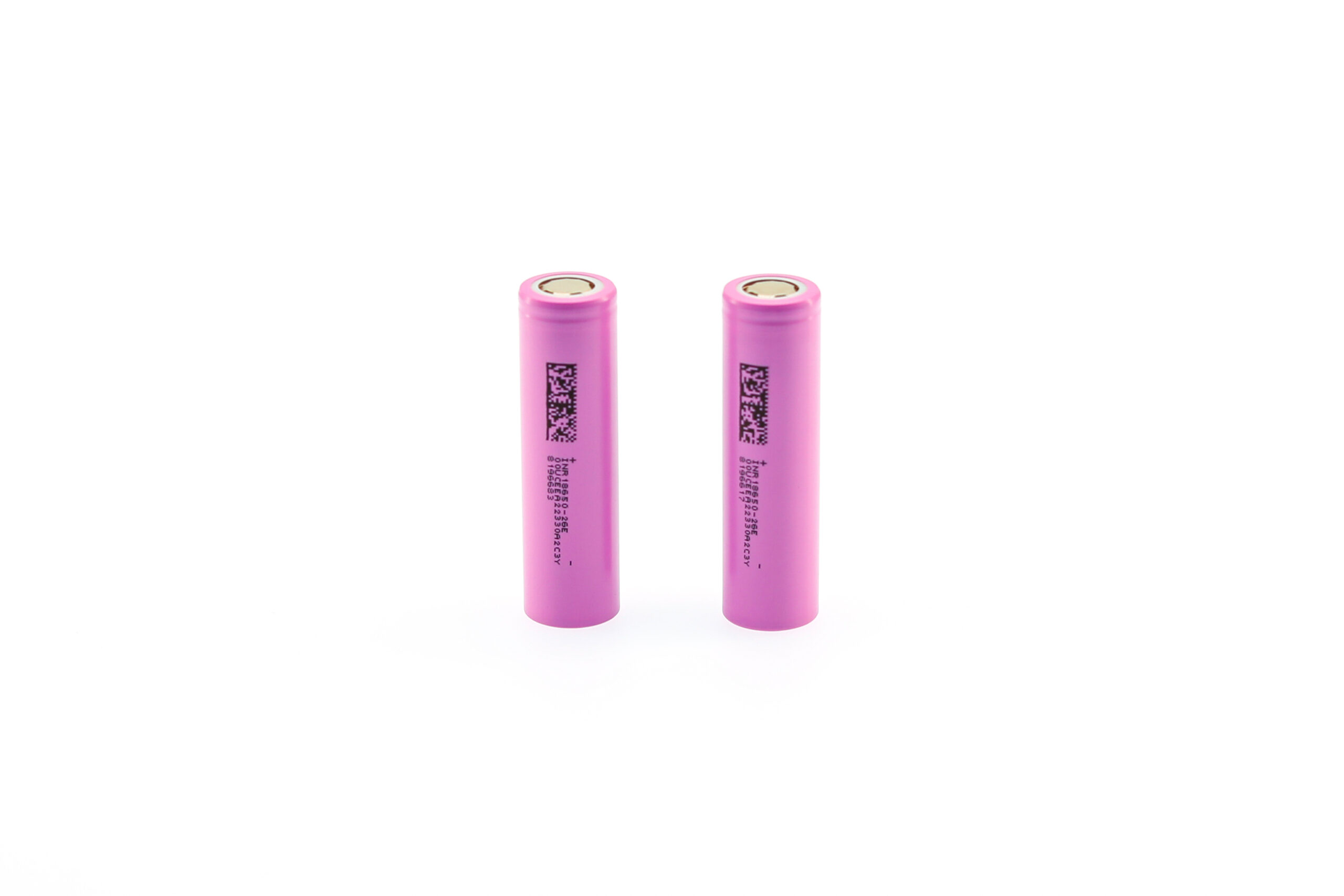
The electric motorcycle industry is experiencing unprecedented growth, with manufacturers worldwide seeking reliable battery solutions that balance performance, safety, and cost-effectiveness. Among emerging technologies, 18650 LFP (Lithium Iron Phosphate) cells capable of fast charging without excessive heat generation have become a critical focus for B2B buyers and OEM partners. This article explores the technical advantages, applications, and export considerations for businesses looking to integrate these advanced cells into their electric motorcycle platforms.
Why 18650 LFP Cells Matter for Electric Motorcycles
LFP chemistry has gained significant traction in the two-wheeler EV segment due to its inherent thermal stability and extended cycle life. Unlike NMC or NCA chemistries, LFP cells operate at lower temperatures during high-current charging, reducing thermal runaway risks—a paramount concern for motorcycle manufacturers targeting global markets with stringent safety regulations.
The 18650 cylindrical format offers additional benefits, including standardized dimensions, mature manufacturing processes, and excellent mechanical robustness against vibration—essential for motorcycle applications where road conditions vary significantly.
Core Technology: Achieving Fast Charging Without Heat
1. Advanced Electrode Design
Modern 18650 LFP cells utilize optimized electrode coatings with enhanced ionic conductivity. By reducing internal resistance through precision-engineered anode and cathode structures, manufacturers can achieve charging rates of 2C to 3C while maintaining cell temperatures below 45°C. This thermal management is critical for preserving battery longevity in hot climate regions across Southeast Asia, Africa, and Latin America.
2. Intelligent BMS Integration
A sophisticated Battery Management System (BMS) works in tandem with LFP cells to monitor temperature, voltage, and current in real-time. For electric motorcycle applications, the BMS dynamically adjusts charging parameters based on ambient conditions, ensuring optimal performance without compromising safety. B2B partners should prioritize suppliers offering integrated BMS solutions tailored to two-wheeler specifications.
3. Thermal Dissipation Architecture
The cylindrical 18650 format naturally facilitates air cooling, but advanced pack designs incorporate aluminum heat sinks and phase-change materials for enhanced thermal dissipation. This multi-layer approach enables sustained fast-charging cycles without degradation, a key selling point for commercial fleet operators requiring minimal downtime.
B2B Export Considerations for Global Buyers
Regulatory Compliance
Exporting 18650 LFP cells requires adherence to international standards including UN38.3, IEC62133, and CE certification. Reputable manufacturers provide complete documentation packages to streamline customs clearance in target markets such as the European Union, North America, and ASEAN countries.
Supply Chain Reliability
For OEMs and distributors, consistent supply chain performance is non-negotiable. Established Chinese battery manufacturers have scaled production capacity to meet growing global demand while maintaining quality control through automated manufacturing lines. Partners should evaluate suppliers based on production capacity, quality certifications, and after-sales support infrastructure.
Customization Options
Different electric motorcycle platforms require varying voltage configurations and capacity ratings. Leading manufacturers offer customization services for cell grouping, connector types, and pack housing to match specific vehicle architectures. This flexibility enables faster time-to-market for new motorcycle models.
Market Applications and Growth Opportunities
The demand for fast-charging LFP solutions extends beyond consumer electric motorcycles to include:
- Delivery and Logistics Fleets: Commercial operators benefit from reduced charging times and lower total cost of ownership
- Ride-Sharing Platforms: High-utilization vehicles require durable batteries with minimal degradation
- Emerging Markets: Regions with limited charging infrastructure need batteries that maximize range per charge cycle
For businesses exploring partnerships with established battery manufacturers in China, comprehensive product portfolios and export expertise are essential criteria. You can explore detailed specifications for cylindrical battery cells at https://cnsbattery.com/products-3/cylindrical-battery-cell/ and learn more about qualified battery manufacturers in China at https://cnsbattery.com/battery-manufacturers-in-china/.
Conclusion: Strategic Partnership for Sustainable Growth
The transition to electric mobility requires more than component procurement—it demands strategic partnerships with suppliers who understand the technical and commercial complexities of the EV ecosystem. 18650 LFP cells representing the intersection of safety, performance, and cost-efficiency are positioned to dominate the electric motorcycle battery segment through 2030 and beyond.
For B2B buyers evaluating suppliers, prioritize manufacturers with proven export track records, comprehensive quality systems, and technical support capabilities. To initiate discussions about custom battery solutions or request technical documentation, visit https://cnsbattery.com/contact-2/ for direct communication with experienced battery professionals.
The future of electric motorcycle mobility depends on reliable, fast-charging battery technology. By selecting the right 18650 LFP cell partners today, businesses can secure competitive advantages in tomorrow’s rapidly evolving two-wheeler EV market.