

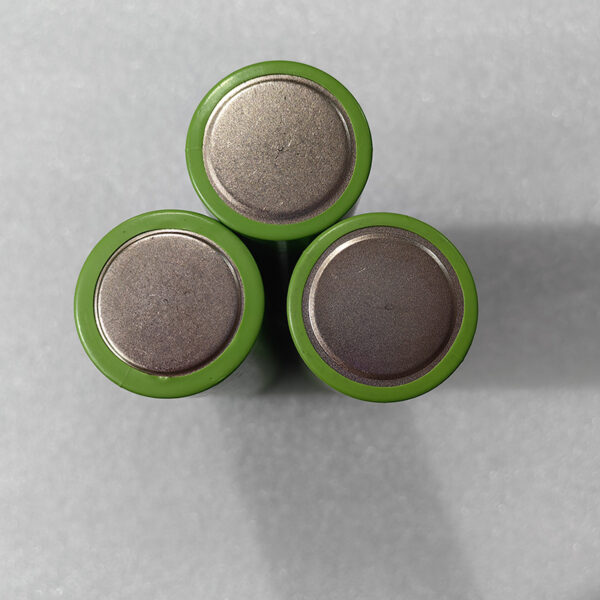
Fast Charging 32700 LFP Cells Without Heat for AGV AMR Applications Wholesale Bulk Low Price
Introduction
The rapid expansion of automated guided vehicles (AGV) and autonomous mobile robots (AMR) in industrial logistics has created unprecedented demand for high-performance battery solutions. Among various options, 32700 LFP (Lithium Iron Phosphate) cylindrical cells have emerged as the preferred choice for professionals seeking fast charging capabilities without excessive heat generation. This technical analysis explores why these cells represent an optimal solution for AGV/AMR applications while addressing wholesale procurement considerations for B2B buyers worldwide.
Technical Advantages of 32700 LFP Chemistry
Thermal Management Excellence
The fundamental advantage of LFP chemistry lies in its superior thermal stability compared to NMC or NCA alternatives. The olivine crystal structure of LiFePO₄ provides stronger P-O bonds, which significantly reduces the risk of thermal runaway during high-current charging cycles. For 32700 format cells, this translates to:
- Operating temperature range: -20°C to 60°C without active cooling
- Heat generation reduction: Approximately 40% lower than equivalent NMC cells during 3C charging
- Thermal runaway threshold: Above 270°C, providing substantial safety margins
Fast Charging Capabilities
Modern 32700 LFP cells support continuous charging rates of 3C to 5C without compromising cycle life. The key technical parameters include:
| Parameter | Specification |
|---|---|
| Nominal Capacity | 5000-6500mAh |
| Standard Charge | 1C (0.5-1 hour) |
| Fast Charge | 3C-5C (12-20 minutes) |
| Cycle Life | 3000-5000 cycles @80% DOD |
| Internal Resistance | ≤15mΩ |
The low internal resistance is critical for minimizing I²R heat losses during fast charging operations. Advanced electrode coating technologies and optimized electrolyte formulations further enhance ion transport kinetics.
AGV/AMR Application Requirements
Duty Cycle Considerations
AGV and AMR systems typically operate in continuous shift environments requiring:
- Opportunity charging: Brief charging periods during operational pauses
- Deep discharge tolerance: Regular discharge to 80% DOD without degradation
- Vibration resistance: Robust mechanical construction for industrial environments
- BMS compatibility: Standardized communication protocols for battery management systems
The 32700 cylindrical format offers excellent mechanical stability with steel casing that withstands industrial vibration profiles exceeding 10Grms across multiple axes.
System Integration Benefits
From an engineering perspective, cylindrical cells provide modular scalability. A typical 48V AGV battery pack utilizes 15S configurations (15 cells in series), delivering:
- Nominal voltage: 48V (15 × 3.2V)
- Energy density: 140-160 Wh/kg at pack level
- Power density: 800-1200 W/kg for acceleration demands
Wholesale Procurement Considerations
Quality Verification Standards
Professional buyers should verify manufacturers against these criteria:
- IEC 62619 compliance for industrial battery safety
- UN 38.3 certification for transportation requirements
- ISO 9001/14001 quality and environmental management
- Third-party testing reports from recognized laboratories
Cost Optimization Strategies
Bulk procurement of 32700 LFP cells offers significant cost advantages:
- Economies of scale: Unit costs decrease 15-25% at 10,000+ piece quantities
- Standardized formats: Reduced customization expenses
- Long-term supply agreements: Price stability over 12-24 month contracts
- Direct manufacturer relationships: Eliminating distributor markups
For comprehensive manufacturer verification, buyers can reference established battery manufacturers in China with proven export track records.
Technical Implementation Guidelines
Charging Protocol Optimization
To achieve fast charging without heat accumulation, implement these parameters:
- CC-CV charging profile: Constant current until 3.65V, then constant voltage
- Temperature monitoring: Cut-off at 55°C cell surface temperature
- Balancing requirements: Passive or active cell balancing within 10mV tolerance
- Rest periods: 2-5 minute cooling intervals between charging cycles
Pack Design Recommendations
Professional pack assembly should incorporate:
- Thermal interface materials: Gap pads with 3-5 W/m·K conductivity
- Structural adhesives: Epoxy-based bonding for vibration damping
- Busbar design: Copper busbars sized for 1.5× maximum current
- Enclosure rating: Minimum IP54 for dust and moisture protection
Detailed product specifications for 32700 cylindrical cells are available through our cylindrical battery cell catalog.
Conclusion
The combination of fast charging capability, minimal heat generation, and competitive wholesale pricing makes 32700 LFP cells the optimal power source for next-generation AGV and AMR deployments. Engineering teams should prioritize manufacturers offering technical support, certification documentation, and scalable supply chains.
For procurement inquiries and technical consultations, professional buyers are encouraged to contact our team for customized solutions matching specific application requirements. With proper selection and integration, 32700 LFP technology delivers reliable performance across thousands of charge cycles while maintaining total cost of ownership advantages essential for commercial automation projects.
This technical analysis reflects current industry standards as of 2026. Specifications may vary by manufacturer and should be verified through direct technical documentation.


