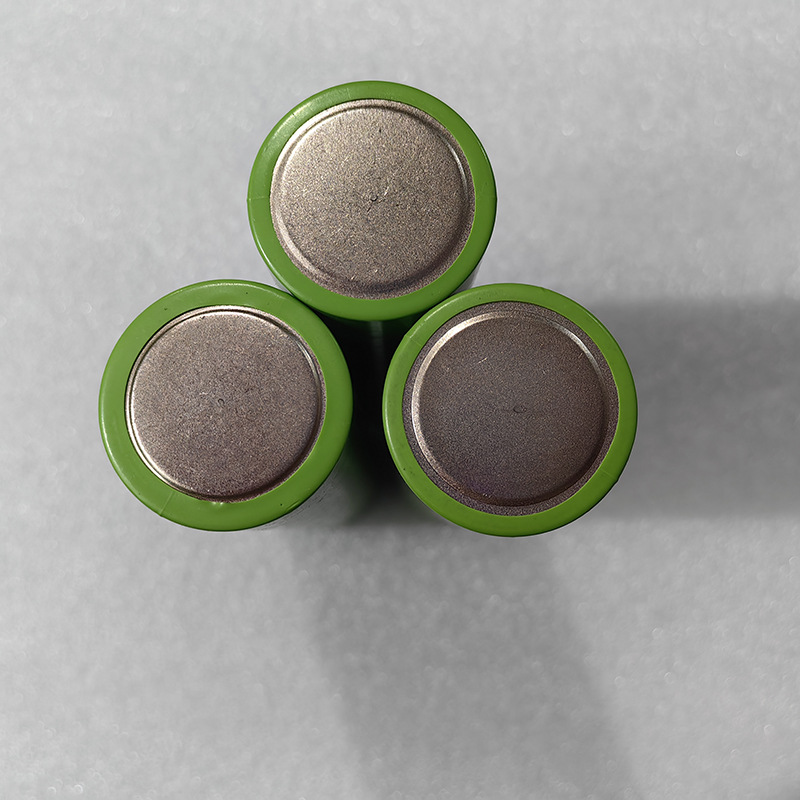
Factory Direct 46135 NCM Cells China Export: No Fast Charging Without Heat for Medical Devices Projects OEM Custom Solutions
The global medical device industry demands battery solutions that balance performance, safety, and reliability. As healthcare technology advances, the need for high-capacity cylindrical cells like the 46135 NCM (Nickel Cobalt Manganese) format has grown significantly. Factory direct sourcing from China offers competitive advantages, but understanding thermal management during fast charging remains critical for medical applications.
Understanding 46135 NCM Cell Technology
The 46135 cylindrical cell represents a significant evolution in lithium-ion battery architecture. With a 46mm diameter and 135mm height, this format provides approximately 25-30Ah capacity with NCM chemistry delivering energy densities between 250-280 Wh/kg. The larger form factor compared to traditional 18650 or 21700 cells reduces the total cell count in battery packs, simplifying battery management system (BMS) design and improving overall system reliability.
NCM chemistry offers an optimal balance between energy density, power output, and cycle life. For medical devices requiring consistent performance over thousands of charge cycles, the cathode composition (typically NCM 811 or 622) directly impacts thermal stability and longevity.
Thermal Management: The Fast Charging Challenge
Fast charging generates heat through internal resistance and electrochemical reactions. Without proper thermal management, cell temperatures can exceed 45°C, accelerating degradation and potentially triggering thermal runaway. Medical devices cannot compromise on safety, making heat dissipation a non-negotiable design parameter.
Key thermal considerations include:
- Charging C-Rate Optimization: Limiting fast charge to 1C-2C while maintaining cell temperature below 40°C
- Thermal Interface Materials: Using high-conductivity pads between cells and cooling plates
- Active Cooling Systems: Integrating liquid cooling or forced air for high-power applications
- BMS Thermal Monitoring: Implementing multiple temperature sensors per cell module
Medical Device Application Requirements
Medical equipment batteries must meet stringent regulatory standards including IEC 60601-1 for electrical safety and ISO 13485 for quality management. The 46135 format suits portable diagnostic equipment, surgical tools, and mobile patient monitoring systems where extended runtime between charges is essential.
For OEM projects, customization options include:
- Custom capacity ratings based on specific power profiles
- Integrated communication protocols (SMBus, CAN bus)
- Specialized connector configurations
- Enhanced safety features including multiple protection layers
Factory Direct Sourcing Advantages
Working directly with established battery manufacturers in China eliminates intermediary markups while providing direct technical support. Reputable suppliers offer complete documentation including UN38.3 transport certification, MSDS sheets, and compliance reports for FDA and CE marking processes.
Quality verification should include:
- Factory audit reports and ISO certifications
- Sample testing for capacity, impedance, and cycle life
- Production capacity and lead time confirmation
- After-sales technical support availability
OEM Custom Solutions for Medical Projects
Custom battery development requires close collaboration between device manufacturers and cell suppliers. Early engagement during the design phase ensures optimal cell selection and pack architecture. Professional suppliers provide engineering support for thermal simulation, structural design, and regulatory compliance documentation.
Explore our complete range of cylindrical battery cell options designed for medical and industrial applications. Each product line undergoes rigorous quality control with traceability from raw materials to finished cells.
Implementation Best Practices
Successful 46135 NCM integration requires systematic approach:
- Design Phase: Conduct thermal modeling before finalizing pack configuration
- Prototype Testing: Validate performance under worst-case operating conditions
- Certification Planning: Allocate sufficient time for regulatory approvals
- Supply Chain Security: Establish long-term supply agreements with qualified manufacturers
For project consultations and technical specifications, visit our contact page to connect with our engineering team. We provide comprehensive support from initial concept through mass production.
Conclusion
The 46135 NCM cell format represents a compelling solution for medical device applications requiring high energy density and reliable performance. Factory direct sourcing from qualified Chinese manufacturers offers cost advantages without compromising quality. However, successful implementation demands careful attention to thermal management during fast charging, regulatory compliance, and comprehensive OEM support. By partnering with experienced suppliers who understand medical device requirements, manufacturers can accelerate development timelines while ensuring patient safety and product reliability.