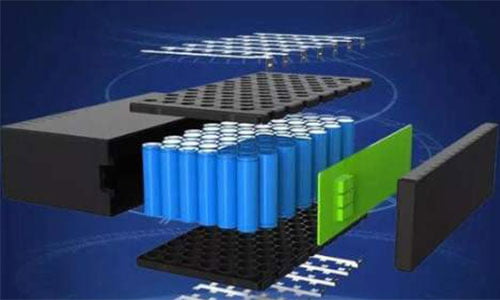
The “High Energy Density” Dilemma in 33135 Cylindrical Cells for Industrial AGV Projects
In the competitive landscape of industrial automation, selecting the right power source for Automated Guided Vehicles (AGVs) is a critical engineering and procurement decision. While the global battery market offers a plethora of options, a specific trend has emerged regarding the 33135 Lithium-ion Cylindrical Battery. Unlike consumer electronics or electric vehicles that relentlessly chase the highest possible energy density, industrial projects often face a different set of constraints. This article explores the technical reality of Factory Direct 33135 Lithium Ion Cylindrical Battery Cells from China, specifically analyzing why “No High Energy Density” can sometimes be a strategic advantage—or a necessary compromise—when compared to competitors in the industrial sector.
Understanding the 33135 Cell Architecture
Before diving into the “high energy density” debate, it is essential to understand the physical architecture of the 33135 cell.
The nomenclature “33135” follows the standard lithium-ion battery naming convention:
- 33: Indicates a diameter of 33mm.
- 135: Indicates a height (or length) of 135mm.
This format places the 33135 squarely in the “large format cylindrical” category, bridging the gap between the ubiquitous 18650/21700 cells and prismatic pouch formats. Unlike smaller cells that prioritize milliamp-hours (mAh) in a tiny footprint, the 33135 is engineered for industrial robustness.
Technical Trade-offs:
In cylindrical cell design, there is often an inverse relationship between energy density (Wh/kg) and cycle life/discharge rate. For AGVs, which require thousands of charge-discharge cycles over their lifespan, manufacturers often opt for chemistries that sacrifice peak energy density for longevity and thermal stability.
Why “No High Energy Density” is a Strategic Fit for Industrial AGVs
When sourcing Factory Direct 33135 Lithium Ion Cylindrical Battery Cells from Chinese exporters, buyers frequently encounter cells that do not boast the “highest energy density” on the market. While this might seem like a disadvantage against competitors advertising “super high capacity,” it is often a deliberate design choice for industrial applications.
Here is why lower energy density can be beneficial:
- Enhanced Cycle Life: AGVs in warehouses and factories operate 24/7. High-energy-density cells often utilize chemistries that degrade faster under constant stress. Lower energy density cells frequently utilize more stable cathode materials (like specific variants of Lithium Iron Phosphate or robust NMC blends) that can withstand 3000+ cycles, ensuring the battery pack lasts the lifetime of the vehicle.
- Thermal Management: High energy density generates more heat. In a tightly packed AGV battery compartment, managing the thermal output of “high energy” cells is complex and expensive. “No high energy density” cells run cooler, reducing the need for elaborate (and costly) liquid cooling systems, relying instead on simpler air cooling.
- Mechanical Durability: The 33135 format is chosen for its ability to handle vibration. A slightly lower energy density allows for thicker steel casings, protecting the internal jelly roll from the constant shock and vibration inherent in industrial environments.
Comparative Analysis: 33135 vs. Competitors (18650 & 21700)
To understand the value proposition of the 33135, it is helpful to compare it against its smaller cylindrical cousins, which are common competitors in the global market.
| Feature | 18650 / 21700 (High Energy Competitors) | 33135 (Industrial Standard) |
|---|---|---|
| Energy Density | Very High (Ideal for EVs/Drones) | Moderate (Prioritizes Stability) |
| Welding Points | High (Thousands of welds per pack) | Low (Fewer connections = higher reliability) |
| Thermal Runaway Risk | Higher (Denser packing = harder to cool) | Lower (Inherent space for cooling) |
| Best Application | Consumer Electronics, High-End EVs | Industrial AGVs, Heavy Machinery |
The Procurement Reality:
When purchasing China Export batteries, buyers must be wary of “too good to be true” energy density claims. Competitors might advertise inflated numbers based on low-current laboratory tests (e.g., 0.2C discharge), whereas industrial applications require performance data at 1C or 2C discharge rates. The 33135 cells, often built with a focus on structural integrity rather than just mAh, provide a more predictable and safer return on investment for industrial projects.
Sourcing Strategy and Compliance
For B2B buyers evaluating Factory Direct options, the focus should shift from “maximum energy” to “total cost of ownership.”
Key Procurement Considerations:
- Cycle Life Data: Demand cycle life graphs at 1C discharge, not just 0.2C.
- Safety Certifications: Ensure the cells have passed UN38.3, IEC 62133, and MSDS certifications. This is non-negotiable for industrial safety compliance.
- Consistency: In an AGV fleet, inconsistency between cells is the enemy. Direct factory sourcing eliminates middleman markups but requires rigorous quality audits.
Conclusion
In conclusion, the narrative surrounding the 33135 Lithium Ion Cylindrical Battery should not be about achieving the “highest energy density,” but rather about achieving the “most reliable energy delivery” for industrial applications. For AGV projects, the “No High Energy Density” specification is not a flaw; it is a feature that ensures safety, longevity, and lower maintenance costs.
If you are currently engineering a battery pack for industrial automation or heavy-duty applications and need a reliable partner for Factory Direct 33135 Lithium Ion Cylindrical Battery Cells, it is crucial to consult with a manufacturer who understands the specific demands of the industrial sector rather than just the consumer market.
For technical inquiries or to discuss the specific requirements of your industrial project, please visit our Product Center to explore our range of cylindrical solutions, or contact us directly through our Contact Information page. You can also learn more about our capabilities as a Battery Manufacturer in China.