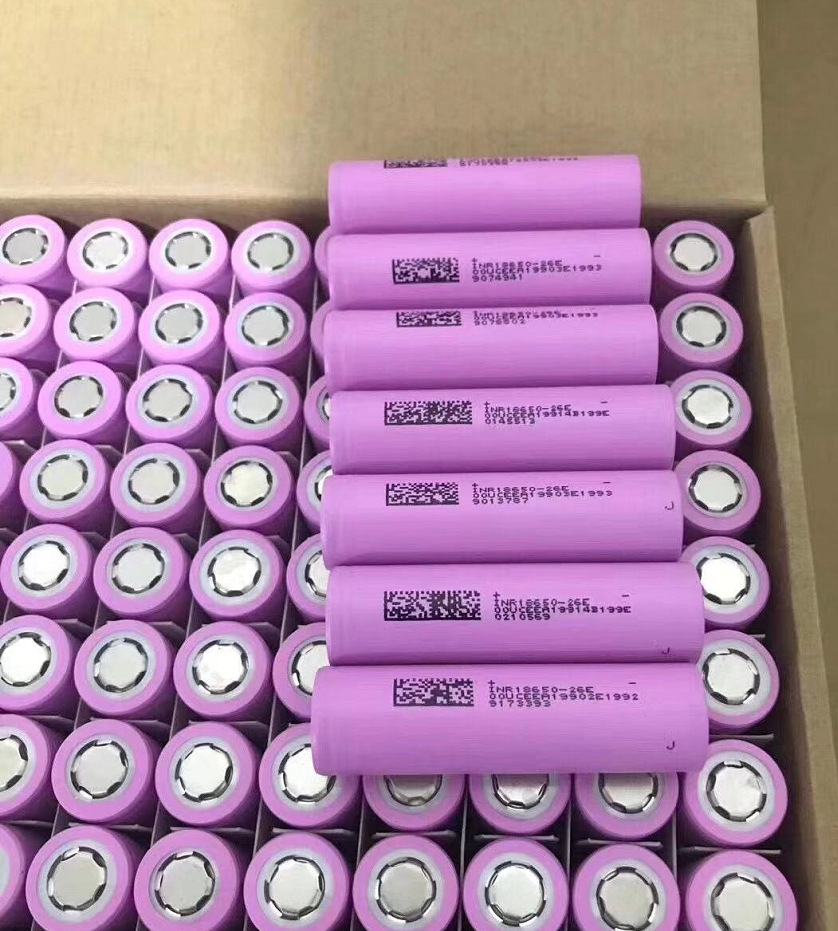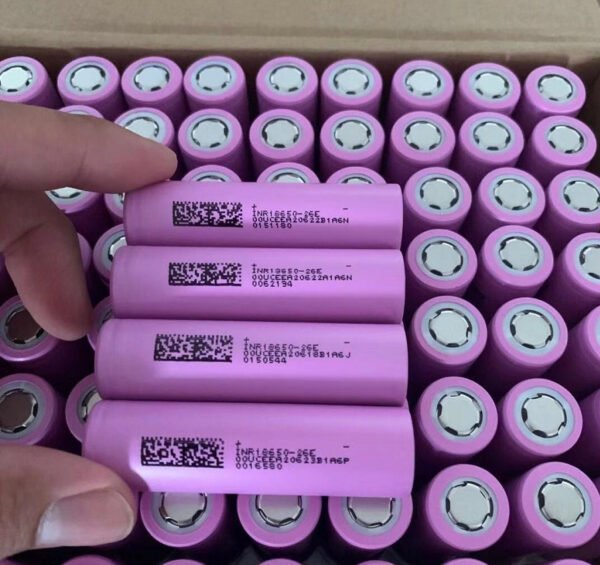
Factory Direct 33135 LFP Cells China Export: No Low MOQ for UAV Projects
In the rapidly evolving landscape of commercial Unmanned Aerial Vehicles (UAVs), the demand for high-performance, reliable, and cost-effective power solutions has never been higher. As a professional lithium battery practitioner, I understand that the core of a UAV’s endurance and stability lies in its battery cells. Today, I want to introduce you to a solution that is revolutionizing the industry: the 33135 LFP (Lithium Iron Phosphate) cells.
These cells are not just another battery option; they are a strategic choice for manufacturers looking to scale without the burden of excessive inventory. Specifically designed for high-drain applications, the 33135 format offers a perfect balance of energy density and power output, making it an ideal candidate for medium to large commercial drones. The most compelling aspect of this offering is the “No Low MOQ” (Minimum Order Quantity) policy. Unlike traditional factory direct models that require massive upfront orders, this approach allows UAV projects of all sizes to access factory-direct pricing and quality without the financial strain of a large initial purchase.
This article will delve into the technical specifications, the unique advantages for UAV applications, and the specific benefits of partnering with a China-based exporter that understands the nuances of global logistics and B2B requirements.
Understanding the 33135 LFP Cell: Specifications and Technology
The 33135 designation refers to the physical dimensions of the cylindrical cell: 33mm in diameter and 135mm in length. This format is significantly larger than the standard 18650 or 21700 cells, placing it firmly in the category of “large format” cylindrical batteries. This size allows for a much higher active material loading, which translates directly into higher capacity and energy density.
Key Technical Specifications:
| Parameter | Value | Significance |
|---|---|---|
| Diameter | 33mm | Optimized for thermal management in dense packs. |
| Height | 135mm | Allows for high energy density within a single cell. |
| Chemistry | LiFePO4 (LFP) | Inherent thermal stability, long cycle life, and safety. |
| Nominal Voltage | 3.2V | Standard for LFP chemistry, compatible with most BMS systems. |
| Typical Capacity | 6000mAh – 7000mAh+ | High capacity reduces the cell count in a pack. |
| Max Continuous Discharge | 10C – 15C | Capable of handling high current draws required by UAV motors. |
The LFP (Lithium Iron Phosphate) chemistry is the cornerstone of this cell’s reliability. Unlike NMC (Nickel Manganese Cobalt) batteries, LFP cells are renowned for their thermal stability. This means they are far less likely to enter thermal runaway, a critical safety feature when operating UAVs in varied environmental conditions. Furthermore, LFP cells typically offer a cycle life of over 2000 cycles, ensuring that your UAV fleet remains operational for a longer duration before requiring battery replacement.
Why the 33135 Format is Ideal for UAV Applications
When designing a UAV power system, engineers face a constant trade-off between weight, energy density, and discharge rate. The 33135 cell resolves many of these conflicts.
- High Energy Density in a Manageable Form Factor: The 135mm height allows for a significant amount of energy storage without making the cell unwieldy. For UAVs, this means achieving longer flight times without adding excessive weight. The cylindrical design also facilitates efficient heat dissipation, which is crucial during prolonged flight operations where motors and ESCs generate substantial heat.
- Simplified Battery Management System (BMS): Because a single 33135 cell can store significantly more energy than a 21700 cell, fewer cells are required to build a high-voltage, high-capacity battery pack. Fewer cells mean fewer connection points, which reduces the overall resistance of the pack and simplifies the complexity of the Battery Management System (BMS). This reduction in complexity directly increases the reliability of the power system.
- Structural Integrity: The robust cylindrical steel casing of the 33135 cell provides excellent mechanical strength. In the event of a crash or hard landing, this structural integrity helps protect the internal electrodes, preventing short circuits and potential fires.
Breaking Barriers: The “No Low MOQ” Advantage for Global Export
One of the most significant hurdles for B2B clients, especially startups and R&D departments, is the Minimum Order Quantity (MOQ). Traditional Chinese factories often require orders in the tens of thousands to justify production lines, locking out smaller players and increasing the risk for new projects.
The “No Low MOQ” policy offered by specialized exporters changes the game. This means:
- Lower Financial Risk: You can order prototype quantities or small batches to test the integration of the 33135 cells into your UAV design without committing to a massive inventory.
- Faster Time to Market: Without waiting to accumulate a large order volume, you can proceed with testing and certification immediately.
- Flexibility: As your project scales, the supply chain can scale with you. You are not forced to overstock based on a rigid factory requirement.
This flexibility is particularly advantageous for the UAV industry, where rapid prototyping and iteration are the norms. It allows engineers to validate the performance of the 33135 cells in real-world conditions before locking in a large-scale manufacturing contract.
China Factory Direct: Quality and Cost Efficiency
Sourcing directly from a China-based manufacturer provides a distinct cost advantage. By eliminating middlemen and leveraging the mature supply chain ecosystem in China, you gain access to cutting-edge technology at a fraction of the cost of Western or Japanese alternatives.
However, “Factory Direct” does not mean “Difficult to Deal With.” A professional exporter understands the needs of international B2B clients. This includes:
- Compliance with International Standards: Ensuring the cells meet UN38.3 regulations for the safe transport of lithium batteries by air, which is essential for getting your UAVs to global markets.
- Customization Capabilities: While the 33135 is a standard size, the tabs, connectors, and protective circuits can often be customized to fit your specific UAV housing.
- Technical Support: A true expert partner will provide detailed datasheets, safety guidelines, and application engineering support to ensure seamless integration.
Conclusion: A Strategic Power Solution
The Factory Direct 33135 LFP Cells represent a convergence of high-performance technology and flexible business models. For UAV manufacturers, this is not just about buying a battery; it is about securing a reliable power source that scales with your project.
The combination of the robust LFP chemistry, the high energy density of the 33135 format, and the “No Low MOQ” export policy makes this an unparalleled offer in the current market. If you are looking to enhance the flight time, safety, and reliability of your commercial drones without the burden of high inventory costs, this is the solution you have been waiting for.
For further technical inquiries or to discuss your specific project requirements, please do not hesitate to reach out to our team of battery experts.
Contact us today to get your project started with the right power solution.
Explore our full range of cylindrical battery cells to find the perfect fit for your application:
Cylindrical Battery Cell Product Page
Learn more about our capabilities as a leading lithium battery manufacturer in China: