

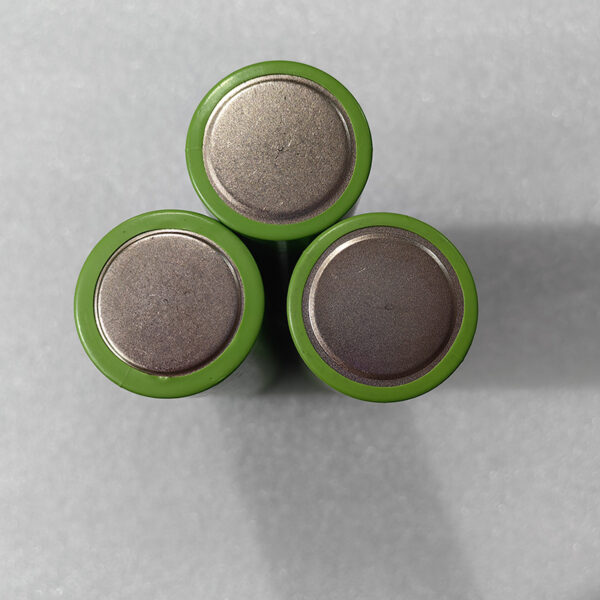
Factory Direct 21700 LiFePO4 Cells China Export: No Extended Warranty for UAV Projects vs Competitors
The global unmanned aerial vehicle (UAV) industry continues to experience rapid growth, with battery technology serving as a critical component determining flight performance, safety, and operational costs. When sourcing 21700 LiFePO4 cells directly from Chinese manufacturers, one crucial differentiator emerges: warranty policies. Unlike many competitors offering extended warranty coverage, factory-direct exporters often operate under different terms that technical procurement teams must understand before committing to large-scale purchases.
Understanding the 21700 LiFePO4 Cell Architecture
The 21700 cylindrical cell format represents an evolution from the widely adopted 18650 standard, offering approximately 30% greater energy density while maintaining compatible manufacturing processes. LiFePO4 (Lithium Iron Phosphate) chemistry provides inherent safety advantages through stable crystal structure, reduced thermal runaway risk, and extended cycle life exceeding 2,000-5,000 charge-discharge cycles under optimal conditions.
For UAV applications, these cells deliver consistent discharge rates between 1C-3C, operating voltage ranges of 2.5V-3.65V, and temperature tolerance from -20°C to 60°C. However, performance specifications alone do not guarantee project success—warranty terms significantly impact total cost of ownership and risk mitigation strategies.
Why Factory Direct Exporters Limit Extended Warranty Coverage
Several technical and commercial factors explain why direct Chinese manufacturers typically restrict extended warranty offerings for UAV projects:
1. Application-Specific Risk Assessment
UAV operations involve variable flight conditions, charging protocols, and environmental exposures that manufacturers cannot fully control or monitor. Unlike stationary energy storage systems, aerial applications introduce vibration, altitude pressure changes, and unpredictable discharge patterns that accelerate cell degradation beyond standard testing parameters.
2. Supply Chain Cost Optimization
Factory-direct pricing models prioritize competitive unit costs over comprehensive warranty coverage. Extended warranty programs require dedicated quality tracking systems, replacement inventory reserves, and international logistics infrastructure—costs ultimately reflected in higher per-cell pricing that contradicts the factory-direct value proposition.
3. Technical Support Boundaries
Manufacturers maintain clear distinctions between cell-level defects and system-level integration issues. Battery pack assembly, battery management system (BMS) configuration, and charging infrastructure fall outside cell manufacturer responsibility, creating natural warranty boundary limitations.
Competitor Warranty Models: What to Expect
International distributors and branded battery suppliers typically offer extended warranty programs ranging from 12-36 months, compared to standard 6-12 month coverage from factory-direct exporters. These enhanced terms include:
- Replacement guarantees for cells falling below 80% capacity retention
- Technical support for integration troubleshooting
- Expedited shipping for warranty claims
- Documentation support for regulatory compliance
However, these benefits come with 15-40% price premiums over factory-direct alternatives, requiring procurement teams to calculate whether warranty coverage justifies additional expenditure based on project scale and risk tolerance.
Technical Due Diligence for UAV Procurement
Before finalizing 21700 LiFePO4 cell purchases, engineering teams should implement comprehensive evaluation protocols:
Performance Verification: Request third-party test reports confirming capacity, internal resistance, and cycle life specifications match datasheet claims. Independent validation reduces dependency on warranty claims for quality assurance.
Batch Consistency Testing: Sample multiple production batches to verify manufacturing consistency, as cell-to-cell variation directly impacts pack balancing and overall system reliability.
Integration Compatibility: Confirm cell dimensions, terminal configurations, and welding compatibility align with existing pack assembly processes before committing to volume orders.
Documentation Requirements: Ensure manufacturers provide complete technical documentation including MSDS, UN38.3 transport certification, and IEC62133 safety compliance for international shipping and regulatory approval.
Strategic Sourcing Recommendations
For UAV projects prioritizing cost efficiency over extended warranty coverage, factory-direct 21700 LiFePO4 cells from established Chinese manufacturers represent viable options when paired with robust internal quality control systems. Procurement teams should:
- Negotiate clear defect replacement terms within standard warranty periods
- Establish incoming quality inspection protocols before pack assembly
- Maintain buffer inventory for potential cell replacements
- Document all testing and integration procedures for potential warranty claims
For mission-critical applications where downtime costs exceed battery procurement savings, competitor offerings with extended warranty coverage may provide better overall value despite higher initial investment.
Conclusion
The decision between factory-direct 21700 LiFePO4 cells with limited warranty versus competitor offerings with extended coverage ultimately depends on project requirements, risk tolerance, and total cost calculations. Understanding the technical rationale behind warranty limitations enables informed procurement decisions that balance cost efficiency with operational reliability.
For detailed product specifications and manufacturer verification, explore comprehensive resources at CNS Battery cylindrical cell offerings and connect with established battery manufacturers in China for direct technical consultations. Procurement teams seeking personalized project support can reach out through the official contact channel for customized solutions matching specific UAV application requirements.
Successful UAV battery procurement requires balancing technical specifications, commercial terms, and risk management strategies—warranty policies represent just one component of comprehensive supplier evaluation frameworks that determine long-term project success.


