

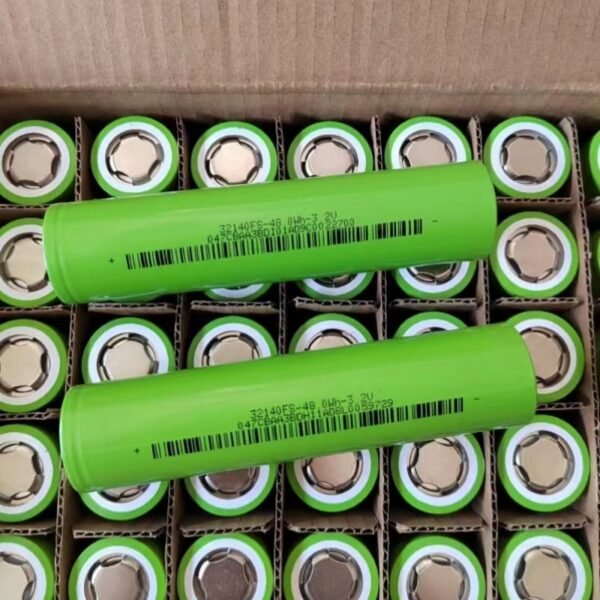
Factory Direct 18650 LFP Cells China Export: No Zero Swelling Issues for Electric Motorcycle Projects 2026 Buyer’s Guide
The electric motorcycle industry continues its rapid expansion in 2026, with manufacturers increasingly prioritizing battery safety, longevity, and cost-effectiveness. Among various lithium-ion chemistries, Lithium Iron Phosphate (LFP) 18650 cylindrical cells have emerged as the preferred choice for serious electric motorcycle projects. This comprehensive buyer’s guide addresses critical procurement considerations for engineering teams and technical purchasers sourcing factory-direct LFP cells from China, with particular focus on eliminating zero swelling issues that compromise pack integrity.
Understanding LFP Chemistry Advantages for Two-Wheel Applications
Lithium Iron Phosphate chemistry offers inherent structural stability compared to NMC or NCA alternatives. The olivine crystal structure of LiFePO₄ provides superior thermal stability, with decomposition temperatures exceeding 270°C versus approximately 150°C for nickel-based chemistries. This fundamental difference translates directly to reduced gas generation during cycling—the primary cause of cell swelling in battery packs.
For electric motorcycle applications, where vibration, temperature fluctuations, and high discharge rates are constant challenges, LFP cells demonstrate exceptional cycle life exceeding 3,000 full cycles at 80% depth of discharge. The flat discharge voltage plateau around 3.2V simplifies battery management system (BMS) design while maintaining consistent power delivery throughout the discharge curve.
Critical Quality Indicators for Zero Swelling Performance
Cell swelling occurs primarily through three mechanisms: electrolyte decomposition, SEI layer instability, and gas generation from overcharge conditions. Premium factory-direct 18650 LFP cells implement multiple mitigation strategies:
Electrolyte Formulation: Advanced carbonate-based electrolytes with vinylene carbonate (VC) and fluoroethylene carbonate (FEC) additives create stable SEI layers that minimize continuous electrolyte consumption during cycling.
Manufacturing Precision: Cell assembly in dry-room environments with dew points below -40°C prevents moisture contamination, a leading cause of premature gas generation. Automated welding processes ensure consistent tab connections that reduce internal resistance variations.
Quality Testing Protocols: Reputable manufacturers implement 100% cell testing including capacity grading, internal resistance measurement, and self-discharge verification. Cells undergoing 7-day high-temperature storage tests at 60°C demonstrate swelling resistance before shipment.
Factory Direct Sourcing: Verification Framework for 2026 Buyers
When evaluating Chinese LFP cell suppliers for electric motorcycle projects, technical purchasers must establish comprehensive verification protocols beyond price considerations. Factory-direct relationships eliminate distributor markups while enabling direct technical communication for application-specific requirements.
Essential verification steps include:
- Certification Documentation: Request valid UN38.3, IEC62133, and UL1642 test reports specific to the exact cell model. Verify certificate authenticity through issuing laboratory databases.
- Production Capacity Assessment: Confirm monthly production capacity aligns with your project timeline. Established manufacturers maintain consistent quality across production batches through statistical process control.
- Sample Testing Program: Conduct independent third-party testing on production samples before committing to volume orders. Key parameters include capacity consistency (±2% tolerance), DC internal resistance variation, and accelerated cycle life validation.
- Technical Support Infrastructure: Evaluate supplier engineering support capabilities for pack integration, BMS compatibility verification, and thermal management guidance.
For detailed product specifications on cylindrical battery cells suitable for electric motorcycle applications, visit https://cnsbattery.com/products-3/cylindrical-battery-cell/ to review technical datasheets and performance characteristics.
Integration Considerations for Motorcycle Pack Design
Successful 18650 LFP integration requires attention to mechanical, electrical, and thermal design parameters. Cylindrical cell packs benefit from inherent structural rigidity when properly constrained, though vibration isolation remains critical for two-wheel applications experiencing continuous road shock.
Thermal management strategies should account for LFP’s lower energy density compared to NMC alternatives. While LFP cells generate less heat during operation, pack designers must ensure adequate airflow or conductive cooling paths for sustained high-current discharge scenarios common in electric motorcycle acceleration cycles.
BMS selection must match LFP’s specific voltage characteristics. Overcharge protection thresholds at 3.65V per cell and discharge cutoff at 2.5V prevent conditions that accelerate degradation. Cell balancing accuracy of ±5mV ensures uniform aging across the pack, extending overall system lifetime.
Supply Chain Reliability and After-Sales Support
Long-term project success depends on supplier commitment beyond initial transaction. Established battery manufacturers in China maintain inventory buffers for continuity during raw material fluctuations and offer warranty terms reflecting confidence in product quality.
When selecting partners, prioritize manufacturers with documented export experience to your target markets. Regulatory compliance expertise reduces customs clearance delays and ensures products meet destination country requirements. Technical documentation in English, including material safety data sheets and transportation classifications, streamlines import processes.
For comprehensive information about verified battery manufacturers in China with export capabilities, refer to https://cnsbattery.com/battery-manufacturers-in-china/ for supplier evaluation resources.
Conclusion: Strategic Procurement for 2026 Projects
The electric motorcycle market’s evolution demands battery solutions balancing performance, safety, and total cost of ownership. Factory-direct 18650 LFP cells from qualified Chinese manufacturers offer compelling advantages when proper due diligence guides supplier selection. Zero swelling performance requires verification through testing protocols rather than marketing claims alone.
Engineering teams should establish long-term partnerships with manufacturers demonstrating consistent quality, technical support capabilities, and supply chain transparency. The investment in thorough supplier qualification pays dividends through reduced warranty claims, improved pack reliability, and accelerated time-to-market for electric motorcycle programs.
For direct communication regarding project-specific requirements and technical consultation, contact our engineering team at https://cnsbattery.com/contact-2/ to initiate supplier qualification discussions.
This guide reflects industry best practices as of March 2026. Specifications and availability subject to manufacturer confirmation.

