

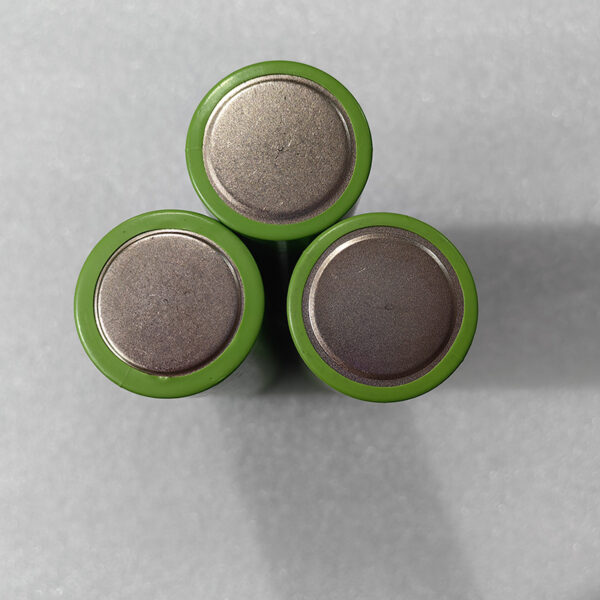
Factory Direct 18650 LFP Cells China Export: No Sample Test Report for EV Projects B2B Export
In the rapidly expanding global electric vehicle (EV) battery market, sourcing 18650 LFP (Lithium Iron Phosphate) cells directly from Chinese manufacturers has become a common practice for B2B buyers. However, a critical issue persists: many factory-direct exporters do not provide sample test reports for EV projects. This article examines the implications, technical considerations, and best practices for international buyers navigating this challenge.
Understanding the Test Report Gap in China’s Battery Export Market
The absence of sample test reports from certain Chinese 18650 LFP cell suppliers stems from multiple factors. Some manufacturers operate on thin margins and view third-party testing as an unnecessary cost. Others may lack in-house testing capabilities or hesitate to share proprietary performance data with potential competitors. For B2B buyers, this creates significant risk when evaluating cells for EV applications where safety, consistency, and longevity are paramount.
According to industry analysis, the EV battery market is projected to reach USD 251.33 billion by 2035, driving intense competition among suppliers. In this environment, distinguishing between reliable manufacturers and those cutting corners becomes essential. Buyers should prioritize suppliers who maintain transparent testing protocols and can provide comprehensive documentation including UN38.3, IEC 62660, and ISO 9001 certifications.
Technical Requirements for 18650 LFP Cells in EV Applications
18650 LFP cells offer distinct advantages for EV projects, including thermal stability, extended cycle life exceeding 2000-5000 cycles, and lower cost per kWh compared to NMC alternatives. However, performance varies significantly across manufacturers and production batches. Key technical parameters requiring verification include:
- Capacity consistency: Standard deviation should remain below 3% within batches
- Internal resistance: Critical for power delivery and heat management
- Cycle life performance: Must meet project-specific durability requirements
- Safety certifications: Essential for regulatory compliance in target markets
Without sample test reports, buyers cannot verify these parameters before committing to large orders. This uncertainty can lead to project delays, additional testing costs, or worse, safety incidents in the field.
Risk Mitigation Strategies for B2B Buyers
International purchasers should implement several safeguards when sourcing 18650 LFP cells from China without initial test documentation:
1. Request Factory Audits: Conduct on-site or third-party audits to verify manufacturing capabilities, quality control systems, and testing infrastructure. Reputable battery manufacturers in China maintain transparent operations and welcome buyer verification.
2. Order Pre-Production Samples: Even without formal test reports, obtain physical samples for independent testing at accredited laboratories. This investment protects against costly batch failures and establishes baseline performance data.
3. Verify Supply Chain Traceability: Ensure cells can be traced to specific production batches with documented quality records. This facilitates accountability and simplifies future troubleshooting.
4. Establish Clear Contractual Terms: Define testing requirements, acceptance criteria, and remedies for non-conformance in purchase agreements. Include provisions for third-party verification at supplier expense if initial samples fail specifications.
Selecting Reliable 18650 LFP Cell Suppliers
When evaluating potential suppliers, prioritize those offering comprehensive product documentation and testing support. Quality cylindrical battery cell manufacturers understand that B2B customers require verifiable performance data for their own compliance and engineering purposes.
Key indicators of supplier reliability include:
- Willingness to provide recent test reports from recognized laboratories
- Established track record with international EV or energy storage projects
- Responsive technical support team capable of addressing application-specific questions
- Flexible MOQ arrangements allowing initial small-batch validation
The Importance of Long-Term Partnership
Successful EV projects depend on stable, long-term supply relationships rather than transactional purchases. Suppliers invested in ongoing partnerships are more likely to provide comprehensive testing documentation and support throughout the product lifecycle. This collaborative approach reduces risk and enables continuous improvement based on field performance data.
For buyers seeking reliable partners, maintaining open communication channels is essential. Establish direct contact with supplier technical teams to discuss project requirements and testing expectations upfront. Professional contact channels facilitate this dialogue and demonstrate supplier commitment to customer success.
Conclusion
The absence of sample test reports from some Chinese 18650 LFP cell exporters presents manageable challenges for informed B2B buyers. By implementing rigorous supplier evaluation processes, investing in independent verification, and establishing clear contractual frameworks, international purchasers can successfully navigate this market while protecting their projects from quality and safety risks.
The growing EV battery market demands higher standards of transparency and accountability from all supply chain participants. Buyers who prioritize verified performance data and established quality systems will achieve better long-term outcomes than those pursuing lowest-cost options without adequate due diligence. In this competitive landscape, reliable testing documentation serves not as a burden, but as a valuable differentiator separating professional manufacturers from opportunistic traders.
For EV project success, partner with suppliers who view comprehensive testing and documentation as integral to their value proposition, not as optional extras to be avoided. This approach ensures project viability, regulatory compliance, and end-user safety throughout the product lifecycle.


