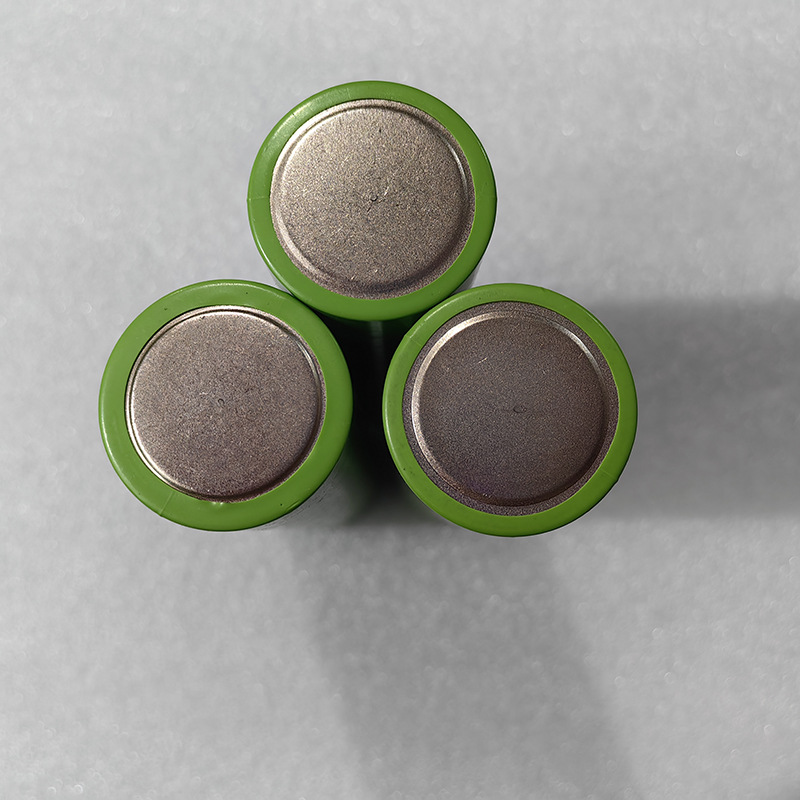
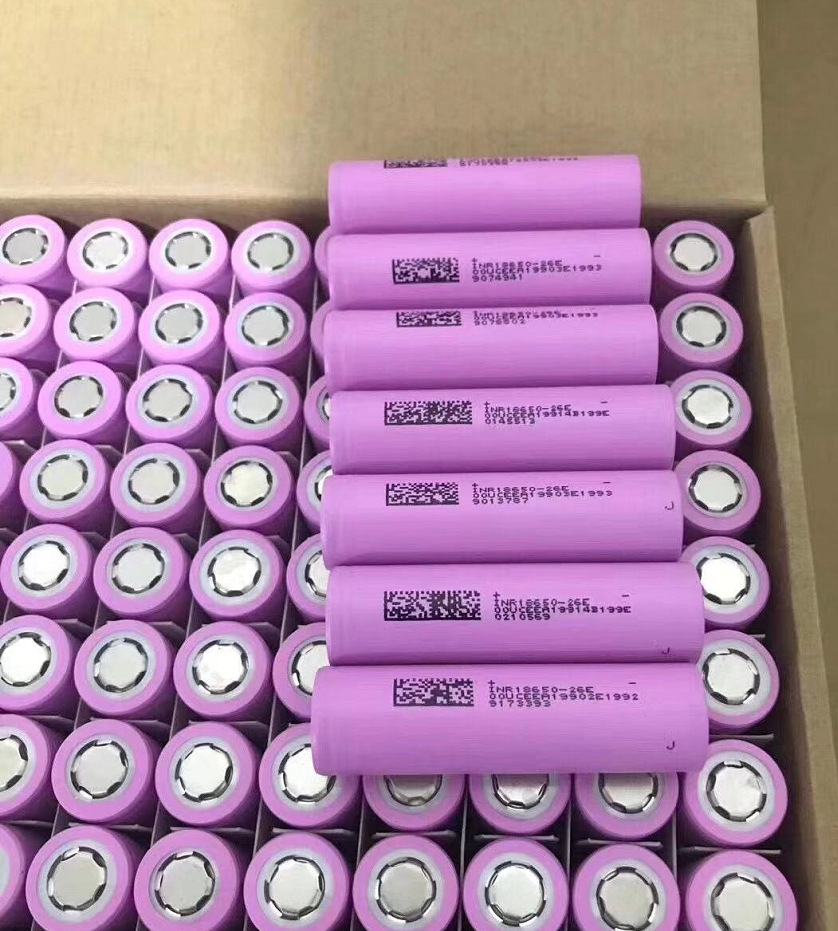
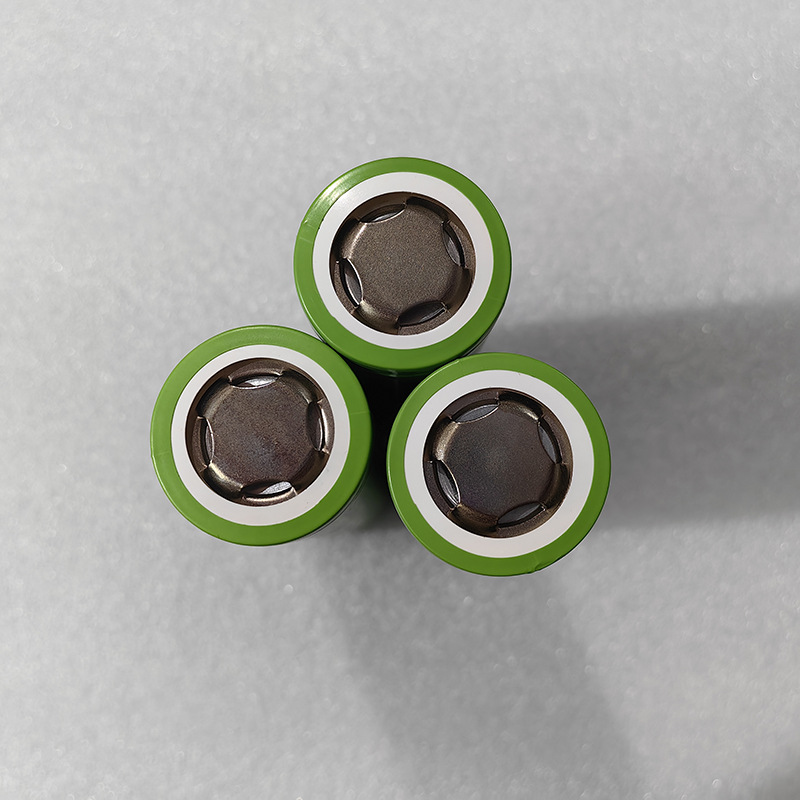
Factory Direct 18650 LFP Cells China Export: No Perfect Cell Matching for EV Projects OEM Custom Solutions
The electric vehicle (EV) industry continues to expand rapidly, driving unprecedented demand for reliable lithium battery solutions. Among various cell formats, 18650 LFP (Lithium Iron Phosphate) cells have emerged as a preferred choice for many EV projects due to their thermal stability, long cycle life, and cost-effectiveness. However, sourcing factory-direct 18650 LFP cells from China presents unique challenges, particularly regarding cell matching and OEM customization. This article examines critical considerations for technical buyers and engineers evaluating Chinese battery manufacturers for EV applications.
Understanding 18650 LFP Cell Fundamentals
Before diving into procurement strategies, understanding the technical foundation is essential. LFP chemistry offers inherent safety advantages over NMC or NCA alternatives, with superior thermal runaway resistance and approximately 2,000-5,000 charge cycles. The 18650 format (18mm diameter, 65mm length) provides standardized dimensions compatible with existing battery management systems (BMS) and pack designs. However, capacity tolerance, internal resistance variation, and self-discharge rates differ significantly between manufacturers, making perfect cell matching nearly impossible without rigorous quality control.
The Cell Matching Challenge in EV Projects
Perfect cell matching remains an industry myth, even among premium manufacturers. When cells are connected in series and parallel configurations, capacity and impedance mismatches cause uneven current distribution, accelerating degradation and reducing overall pack performance. Chinese factories exporting 18650 LFP cells typically achieve 3-5% capacity tolerance under standard grading, while premium suppliers may reach 1-2%. For EV applications requiring high reliability, technical buyers must implement additional sorting protocols or request enhanced matching specifications from manufacturers.
Key matching parameters include:
- Capacity tolerance: Measured at standardized C-rates and temperatures
- Internal resistance: Affects power delivery and heat generation
- Open circuit voltage (OCV): Indicates state-of-charge consistency
- Self-discharge rate: Critical for long-term storage applications
OEM Custom Solutions: What to Expect from Chinese Manufacturers
Working directly with Chinese battery manufacturers enables customized solutions unavailable through distributors. Reputable factories offer flexible options including custom capacity ratings, specialized terminal configurations, and tailored BMS integration support. However, OEM customization requires clear technical specifications and realistic lead time expectations. Minimum order quantities (MOQs) typically range from 10,000 to 50,000 cells depending on customization complexity.
When evaluating potential partners, verify their production capabilities through factory audits, quality certifications (ISO 9001, IATF 16949), and reference projects. Established manufacturers maintain comprehensive testing laboratories for capacity grading, cycle life validation, and safety compliance testing according to UN38.3, IEC 62133, and UL standards.
Quality Verification and Due Diligence
Factory-direct sourcing eliminates distributor markups but increases responsibility for quality verification. Technical buyers should request:
- Third-party test reports from recognized laboratories
- Production batch traceability documentation
- Warranty terms covering capacity retention and defect rates
- Sample testing before committing to large orders
Visit potential suppliers personally or engage independent inspection agencies to verify manufacturing conditions, equipment calibration, and quality control processes. Learn more about battery manufacturers in China to identify qualified partners meeting international standards.
Technical Support and After-Sales Considerations
Beyond initial procurement, ongoing technical support distinguishes reliable manufacturers from commodity suppliers. EV projects require continuous collaboration for pack design optimization, BMS calibration, and failure analysis. Ensure your chosen partner provides dedicated engineering support, responsive communication channels, and clear escalation procedures for quality issues.
For comprehensive product specifications and technical documentation, explore available cylindrical battery cell options to match your project requirements accurately.
Conclusion: Strategic Sourcing for EV Success
Factory-direct 18650 LFP cells from China offer compelling value for EV projects, but success depends on thorough due diligence and realistic expectations regarding cell matching. No manufacturer delivers perfect matching without additional sorting, but reputable partners provide consistent quality within specified tolerances. By understanding technical fundamentals, verifying quality systems, and establishing clear OEM requirements, technical buyers can secure reliable battery solutions supporting long-term EV deployment.
For direct communication with qualified manufacturing partners and detailed project consultation, contact our team to discuss your specific EV battery requirements and customization options.