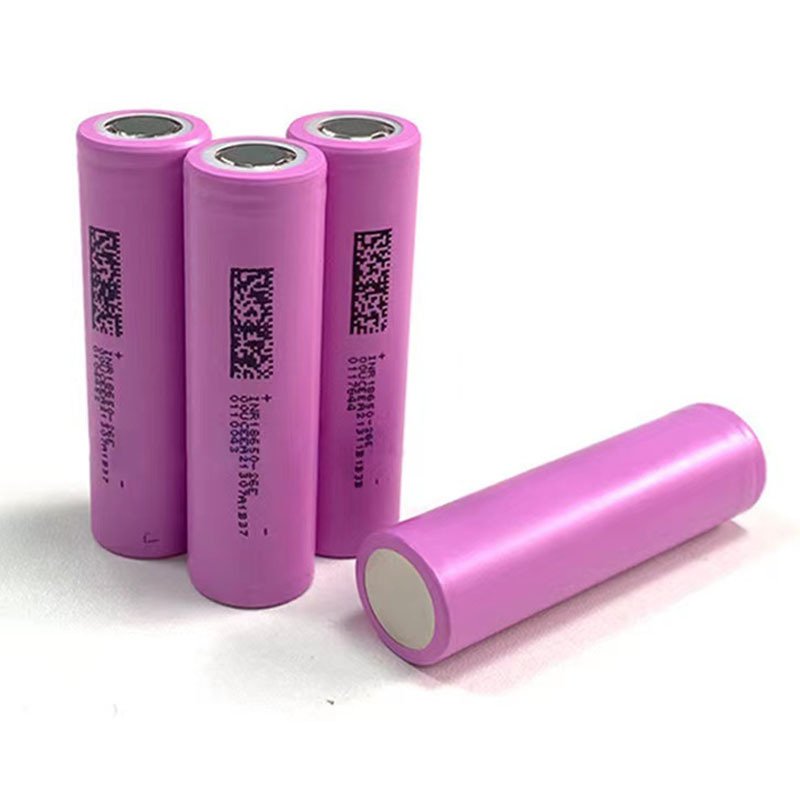
Factory Direct 18650 LFP Cells China Export: No Low Temperature Performance for Power Tools Projects Solve Today
For battery procurement professionals and power tool manufacturers sourcing from China, low-temperature performance remains a critical challenge when selecting 18650 LFP cells. Many factory-direct suppliers advertise competitive pricing but fail to deliver reliable performance in cold environments. This article addresses the core technical issues and provides actionable solutions for your power tool projects.
Understanding the Low-Temperature Challenge in LFP Chemistry
Lithium Iron Phosphate (LFP) cells offer exceptional safety and cycle life, but their electrochemical characteristics present inherent limitations in cold conditions. At temperatures below 0°C, lithium-ion diffusion rates decrease significantly within the graphite anode and LFP cathode structure. This results in:
- Reduced discharge capacity (up to 50% loss at -20°C)
- Increased internal resistance causing voltage sag under load
- Potential lithium plating during charging below 0°C, creating safety risks
For power tools operating in outdoor construction, warehouse, or northern climate applications, these limitations directly impact tool runtime, torque consistency, and battery pack longevity.
Why Factory-Direct China Suppliers Often Overlook Temperature Performance
Many battery manufacturers in China prioritize cost reduction over performance optimization. Common issues include:
- Standard electrolyte formulations without low-temperature additives
- Inadequate cell testing protocols excluding sub-zero validation
- Generic BMS designs lacking temperature-compensated charging algorithms
Procurement teams must verify supplier testing capabilities and request detailed specification sheets covering -20°C to 60°C operating ranges before committing to large orders.
Technical Solutions for Power Tool Applications
1. Electrolyte Optimization
Advanced carbonate-based electrolytes with fluorinated additives improve ionic conductivity at low temperatures. Request cells with customized electrolyte formulations specifically designed for power tool duty cycles.
2. Hybrid Cell Chemistry Considerations
For extreme cold applications, consider NMC or LTO alternatives alongside LFP. However, optimized 18650 LFP cells with proper thermal management can meet most professional power tool requirements down to -10°C.
3. Battery Pack Design Integration
Effective thermal management systems, including heating elements and insulation, compensate for cell-level limitations. Partner with suppliers offering complete pack engineering support rather than cell-only solutions.
Quality Verification Checklist for China Sourcing
Before finalizing your 18650 LFP cell orders, ensure suppliers provide:
- Third-party test reports validating low-temperature discharge performance
- IEC 62133 and UN 38.3 certification documentation
- Sample cells for independent validation testing
- Clear warranty terms covering temperature-related performance degradation
Reputable manufacturers maintain transparent communication channels for technical inquiries. Visit our contact page for direct engineering consultation on your specific application requirements.
Selecting the Right 18650 LFP Cells for Your Project
Our cylindrical battery cell range includes low-temperature optimized variants specifically engineered for power tool applications. These cells feature:
- Enhanced electrolyte systems for -20°C operation
- Low-ESR designs minimizing voltage sag under high-current discharge
- Integrated PTC protection for thermal runaway prevention
- Consistent capacity matching for balanced pack assembly
Conclusion: Action Steps for Procurement Teams
Low-temperature performance issues in factory-direct 18650 LFP cells are solvable through proper supplier selection and technical specification alignment. Power tool manufacturers should:
- Define clear operating temperature requirements in RFQ documents
- Request temperature-performance data before sample approval
- Partner with manufacturers offering application engineering support
- Validate cell performance through independent third-party testing
By addressing these factors early in the sourcing process, you eliminate costly redesigns and field failures. Professional battery suppliers understand that power tool applications demand more than competitive pricing—they require reliable performance across all operating conditions.
For technical consultation on your next power tool battery project, connect with our engineering team through the contact information provided. We specialize in matching cell chemistry, pack design, and thermal management solutions to your specific application requirements, ensuring optimal performance regardless of environmental conditions.