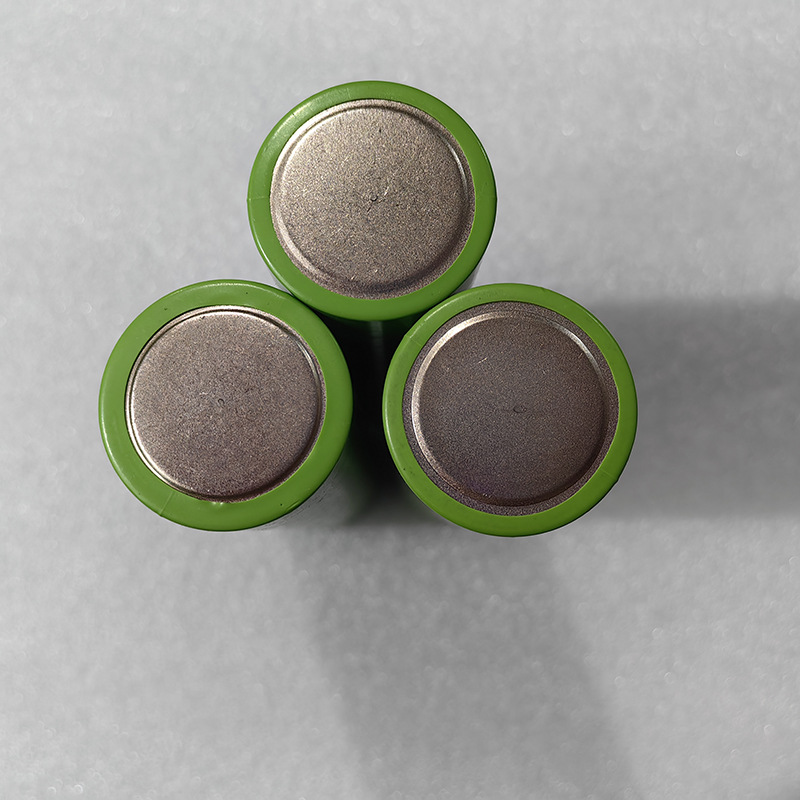
Factory Direct 18650 LFP Cells China Export: No Low Temperature Performance for ESS Projects China Factory Direct Supplier
Introduction
The global energy storage system (ESS) market continues to expand rapidly, with lithium iron phosphate (LFP) chemistry emerging as the preferred choice for stationary applications. However, a critical technical consideration often overlooked in procurement decisions is low-temperature performance. This article examines the technical limitations of 18650 LFP cells in cold climate ESS deployments and provides engineering guidance for international buyers sourcing from China factory direct suppliers.
Understanding LFP Chemistry Limitations at Low Temperatures
Lithium iron phosphate batteries offer exceptional thermal stability and cycle life, making them ideal for most ESS applications. However, the olivine crystal structure of LFP cathode materials presents inherent challenges in sub-zero conditions. At temperatures below 0°C, lithium-ion diffusion kinetics slow significantly within the graphite anode, leading to reduced capacity utilization and increased internal resistance.
Technical data indicates that standard 18650 LFP cells experience approximately 20-30% capacity reduction at -10°C compared to room temperature performance. More critically, charging below 0°C risks lithium plating on the anode surface, which can cause permanent capacity loss and potential safety hazards. This phenomenon occurs because lithium ions cannot intercalate into graphite quickly enough at low temperatures, resulting in metallic lithium deposition instead.
Key Technical Parameters for Cold Climate ESS Projects
When evaluating 18650 LFP cells for ESS deployments in temperate or cold regions, engineering teams should verify the following specifications:
Operating Temperature Range: Standard LFP cells typically operate between -20°C to 60°C for discharge, but charging should remain above 0°C without thermal management. Advanced cells with electrolyte additives may extend this range slightly.
Internal Resistance Variation: Expect 2-3x increase in DC internal resistance at -10°C compared to 25°C baseline measurements. This affects power delivery capability and system efficiency.
Capacity Retention: Documented capacity at various temperature points should be requested from suppliers. Reputable manufacturers provide detailed temperature-performance curves in technical datasheets.
Thermal Management Requirements: For installations in climates where ambient temperatures regularly drop below 10°C, active or passive heating systems become necessary to maintain optimal cell performance and longevity.
China Factory Direct Sourcing Considerations
Sourcing 18650 LFP cells directly from Chinese manufacturers offers cost advantages but requires thorough technical due diligence. Many factories advertise competitive pricing without adequately disclosing low-temperature performance limitations. International buyers should request third-party test reports verifying claimed specifications, particularly for temperature-dependent parameters.
Established manufacturers with export experience typically provide comprehensive technical documentation including IEC 62619 compliance certificates, UN38.3 transportation testing results, and detailed performance curves across temperature ranges. Buyers should prioritize suppliers with proven ESS project references in similar climate zones.
For comprehensive product specifications and technical documentation, visit our cylindrical battery cell product page to review available 18650 LFP options with verified performance data.
Mitigation Strategies for Low Temperature Applications
Engineering teams can implement several approaches to address LFP low-temperature limitations:
Active Heating Systems: Integrate resistive heating elements or heat pumps within battery enclosures to maintain cell temperature above 5°C during charging cycles.
Insulated Enclosures: Deploy thermally insulated battery cabinets to reduce heating energy requirements and maintain more stable internal temperatures.
Charge Rate Reduction: Implement temperature-dependent charging protocols that reduce C-rate below 10°C ambient conditions to minimize lithium plating risk.
Hybrid Chemistry Solutions: Consider NMC or LTO chemistry for applications requiring extensive sub-zero operation, though this impacts overall system cost and safety profile.
Quality Verification and Supplier Assessment
When evaluating China factory direct suppliers, verify manufacturing certifications including ISO 9001, ISO 14001, and relevant battery safety standards. Request sample cells for independent testing before committing to large volume orders. Reputable manufacturers welcome technical audits and provide transparent access to production facilities and quality control processes.
For detailed supplier verification and manufacturing capability assessment, refer to our comprehensive guide on battery manufacturers in China to understand industry standards and qualification requirements.
Conclusion
18650 LFP cells remain an excellent choice for most ESS applications when temperature limitations are properly addressed through system design. International buyers sourcing from China factory direct suppliers must prioritize technical transparency over price alone. Understanding low-temperature performance characteristics enables proper thermal management system design and prevents costly field failures.
For technical consultations and verified 18650 LFP cell specifications suitable for your ESS project requirements, contact our engineering team through our contact page to discuss application-specific solutions and obtain detailed performance documentation.
Proper supplier selection, combined with appropriate thermal management design, ensures reliable ESS performance across diverse climate conditions while maximizing the inherent safety and cycle life advantages of LFP chemistry.