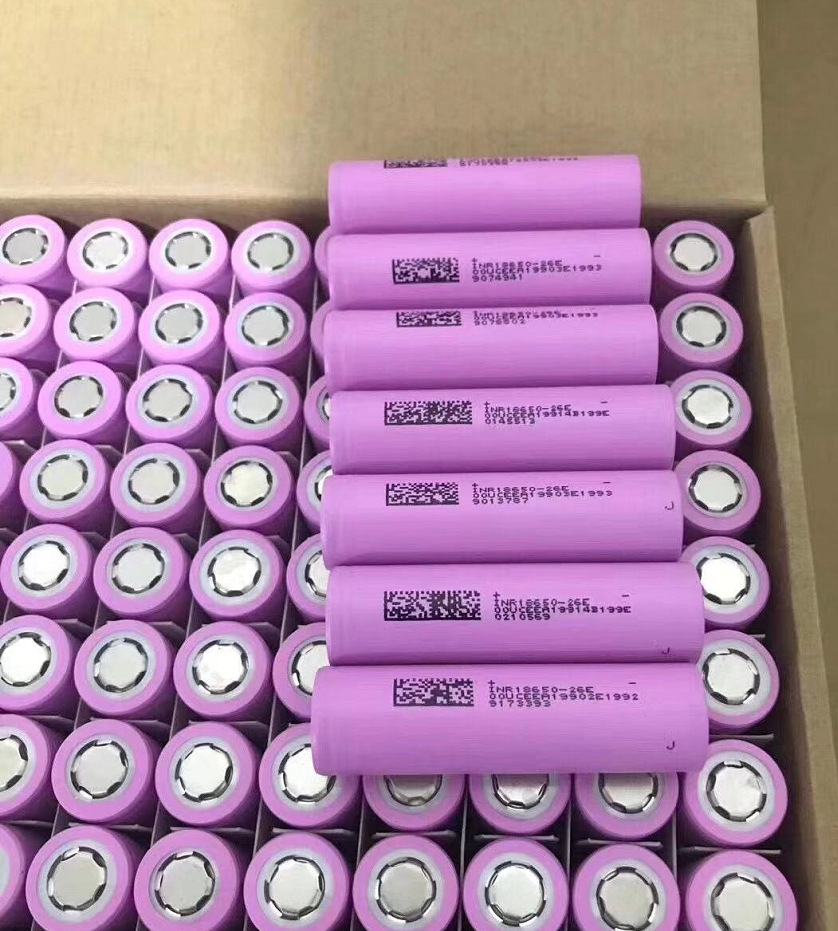
Factory Direct 18650 LFP Cells China Export: No Low Temperature Performance for Electric Motorcycle Projects 2026 Buyer’s Guide
As we advance into 2026, the electric motorcycle sector continues to experience robust growth, driven by urban electrification mandates and rising fuel costs. For technical purchasers and engineering teams sourcing battery solutions, the Lithium Iron Phosphate (LFP) chemistry remains a cornerstone for cost-effective and safe energy storage. However, a critical technical constraint persists: standard 18650 LFP cells exhibit significant performance degradation in low-temperature environments. This guide provides a rigorous technical analysis for B2B buyers evaluating factory-direct exports from China, specifically addressing the thermal limitations inherent to this chemistry.
Understanding the Electrochemical Limitations
The title of this guide highlights a crucial engineering reality: standard 18650 LFP cells do not offer viable low-temperature performance without auxiliary systems. From an electrochemical perspective, LFP cathodes possess an olivine crystal structure that provides exceptional thermal stability and cycle life but suffers from lower ionic conductivity compared to Nickel Manganese Cobalt (NMC) alternatives.
At temperatures below 0°C, the electrolyte viscosity increases, and the charge transfer resistance at the electrode-electrolyte interface rises sharply. For project engineers, this manifests as:
- Capacity Reduction: Usable capacity can drop by 30-50% at -10°C.
- Voltage Sag: Under load, the terminal voltage may hit the BMS cutoff prematurely, reducing power output.
- Charging Risks: Attempting to charge LFP cells below freezing can lead to lithium plating on the anode, causing permanent capacity loss or internal short circuits.
In the context of electric motorcycles, which often lack the sophisticated thermal management systems found in passenger EVs, these limitations are amplified. Cells are frequently exposed to ambient air, making them susceptible to winter conditions in North America, Europe, and parts of Asia.
Engineering Mitigation Strategies for 2026 Projects
When integrating 18650 LFP cells into motorcycle packs, the engineering team must design around these thermal constraints. Relying solely on the cell’s intrinsic performance is insufficient for all-climate reliability.
- Active Thermal Management: Incorporating heating pads or utilizing waste heat from the motor controller is essential for cold climates. The Battery Management System (BMS) must enforce strict low-temperature charge cutoffs, typically around 0°C to 5°C.
- Insulation Design: Physical pack design should prioritize thermal insulation to retain heat generated during discharge.
- Derating Power: Engineers should calculate power availability based on worst-case temperature scenarios to ensure the motorcycle maintains safe operation during winter months.
For buyers sourcing directly from China, it is vital to request detailed discharge curve data at various temperatures (e.g., 25°C, 0°C, -10°C) during the validation phase. Reputable suppliers will provide comprehensive test reports rather than just room-temperature specifications.
Sourcing Factory-Direct from China: Quality and Verification
China remains the global hub for cylindrical battery cell manufacturing. However, the market is saturated with varying grades of cells. For a 2026 project, ensuring consistency and safety is paramount. When evaluating battery manufacturers in China, technical purchasers should focus on:
- Grade A Consistency: Ensure cells are matched for capacity, internal resistance, and voltage. Poor matching accelerates pack degradation.
- Cycle Life Verification: LFP is chosen for longevity (often 2000+ cycles). Verify this claim with third-party testing data.
- Safety Certifications: Look for UN38.3, IEC62133, and UL certifications to facilitate smooth logistics and compliance in destination markets.
Direct factory engagement allows for customization of battery packs, including specific BMS programming for low-temperature protection. To explore reliable cylindrical cell options suitable for your specific voltage and capacity requirements, you can review the available inventory and specifications at Cylindrical Battery Cell Products.
Conclusion and Next Steps
While 18650 LFP cells offer an unmatched balance of safety, cost, and cycle life for electric motorcycle projects, their lack of low-temperature performance is a non-negotiable design constraint. Successful deployment in 2026 requires a holistic approach combining robust cell sourcing with intelligent thermal management engineering.
For engineering teams ready to move from specification to procurement, partnering with a verified supplier is the critical next step. We recommend initiating a technical dialogue to discuss your specific thermal environment and power requirements. You can reach our technical sales team directly via our Contact Page for detailed datasheets and sample requests.
Furthermore, to understand the broader landscape of verified production facilities and supply chain capabilities, we invite you to explore our insights on Battery Manufacturers in China. By acknowledging the technical limitations of LFP chemistry and sourcing from reputable factories, your electric motorcycle project can achieve the reliability and longevity demanded by the modern market.