

The Reality of 18650 LFP Cells for ESS: Why Low Self-Discharge Isn’t Always the Goal
In the rapidly expanding global energy storage market, the demand for high-quality, cost-effective 18650 Lithium Iron Phosphate (LFP) cells is at an all-time high. As a professional lithium battery blogger and industry observer, I frequently receive inquiries regarding “Low Self-Discharge (LSD) 18650 LFP cells” for residential and commercial Energy Storage Systems (ESS).
However, there is a critical technical nuance that many overseas B2B buyers often overlook: In the specific context of large-scale ESS projects, the pursuit of “Low Self-Discharge” characteristics in 18650 LFP cells is frequently unnecessary, and sometimes even counterproductive to cost-efficiency.
This article aims to demystify the technical realities of 18650 LFP chemistry, explain why standard self-discharge rates are optimal for ESS, and provide a guide for sourcing directly from Chinese factories.
The Technical Reality: Inherent Characteristics of 18650 LFP
To understand why “No Low Self-Discharge” is a standard specification for industrial 18650 LFP cells, we must first look at the physics of the chemistry.
1. The Nature of the 18650 Form Factor
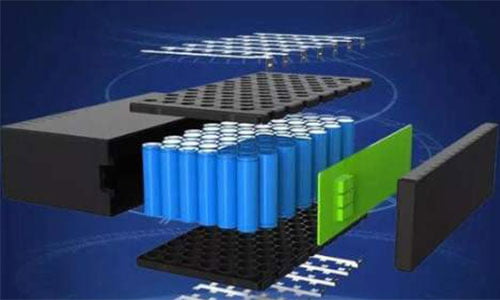
The 18650 cylindrical cell is an engineering marvel of standardization. However, its rigid metal casing creates a “Jellyroll” structure (layers of anode, separator, and cathode rolled tightly together). This structure inherently has higher internal stress points compared to pouch or prismatic cells. While this grants excellent mechanical stability, it also means that the internal resistance and reaction kinetics are different from soft-pack batteries.
2. LFP Chemistry vs. LSD Technology
Low Self-Discharge technology was pioneered primarily for consumer electronics (like AA/AAA NiMH batteries) to retain charge over long periods on retail shelves. In Lithium-ion technology, achieving LSD status requires specific electrolyte additives and coating technologies that slow down the internal chemical migration.
For 18650 LFP cells, these additives:
- Increase Internal Resistance: This reduces the power density, which is detrimental to the fast charging capabilities often required in grid storage.
- Significantly Increase Cost: The specialized electrolytes and extended formation processes add a premium that ESS projects simply cannot justify.
3. The ESS Use Case
Energy Storage Systems are rarely “shelf products.” They are installed and cycled almost immediately. The standard self-discharge rate of LFP cells (approximately 1-2% per month) is negligible when the battery is actively managing grid load or solar charging cycles. Therefore, paying a premium for LSD technology offers zero Return on Investment (ROI) for utility-scale or residential storage.
The B2B Sourcing Dilemma: Factory Direct vs. Middlemen
When sourcing 18650 LFP cells for ESS projects, the supply chain transparency is paramount. Many international buyers fall into the trap of dealing with third-party traders who cannot provide the technical data sheets (TDS) or customization options required for large-scale deployments.
Why “Factory Direct” is Non-Negotiable for ESS
- Cost Structure Integrity: Dealing directly with a manufacturer eliminates the 15-30% markup typically added by exporters and agents. For ESS projects where thousands of cells are required, this margin directly impacts the Levelized Cost of Storage (LCOS).
- Customization Capability: ESS projects have unique requirements. Whether it is the specific length of the cell to fit a proprietary rack, the inclusion of specific PCB tabs, or the formatting of the Battery Management System (BMS), only a direct factory can implement these changes without exorbitant NRE (Non-Recurring Engineering) fees.
- Quality Assurance & Traceability: In the event of a field failure, a direct factory relationship allows for Root Cause Analysis (RCA). Traders cannot provide access to the production line data or material batch records necessary for forensic investigation.
Key Specifications for 18650 LFP Cells in ESS Applications
When evaluating a China factory direct supplier, you should look for the following technical specifications that prioritize cycle life and thermal stability over “shelf life.”
| Feature | Standard 18650 LFP (ESS Grade) | Low Self-Discharge (Consumer Grade) | Recommendation for ESS |
|---|---|---|---|
| Self-Discharge Rate | 1-2% per month | <0.5% per month | Standard (Sufficient for active systems) |
| Cycle Life | 3000+ Cycles (@80% DoD) | 500-1000 Cycles | High Cycle Life is critical |
| Thermal Stability | High (No thermal runaway < 200°C) | Moderate | High Stability ensures safety |
| Cost Efficiency | High (Best $/kWh) | Low (High $/kWh) | High Efficiency is mandatory |
Technical Note: The “No Low Self-Discharge” specification in your procurement list ensures you are getting the industrial-grade, high-power density variant of the 18650 LFP cell, which is designed for performance, not shelf storage.
Navigating Chinese Export Regulations & Logistics
Sourcing directly from China requires an understanding of the current export landscape, particularly for Dangerous Goods (Class 9).
Compliance is Key
- UN38.3 Certification: This is non-negotiable. Any reputable 18650 LFP factory direct supplier must provide test summaries proving the cells pass vibration, shock, and altitude tests.
- MSDS (Material Safety Data Sheet): This document is required for customs clearance in the EU, USA, and Australia.
- Shipping Classification: 18650 cells are shipped as “Not Restricted” under certain conditions (Section IB), but this requires specific packaging and documentation that a professional factory handles.
Avoiding the “Fake Factory” Trap
The internet is rife with companies claiming to be “China Factory Direct” but operating out of small apartments. To verify a true manufacturer:
- Ask for a Video Audit: A real factory will have a production line, a warehouse, and a testing lab. Request a live video tour.
- Check the Business License: The scope of business should include “Battery Manufacturing” and “Import/Export.”
- Minimum Order Quantity (MOQ): Factories deal in pallets and containers (e.g., 10,000+ pieces). If the MOQ is 100 pieces, it is a trader or stockist.
Why Choose CNS BATTERY for Your 18650 LFP ESS Project?
Navigating the complexities of the Chinese lithium market can be daunting. As a seasoned industry player, CNS BATTERY offers a solution tailored for international B2B clients seeking reliability and direct access.
CNS BATTERY is not just a supplier; it is a vertically integrated manufacturer based in Zhengzhou, China. With a history dating back to 1998, they operate as a Battery Manufacturer in China with a focus on R&D and automated production.
Advantages for Overseas Clients
- Direct Factory Pricing: By eliminating intermediaries, CNS BATTERY offers competitive pricing on their Cylindrical Battery Cell lineup, specifically the 18650 series, which is engineered for high energy density and long cycle life—perfect for ESS integration.
- Customization Expertise: Whether you need specific voltage configurations, discharge rates, or custom labeling for your brand, CNS BATTERY provides OEM/ODM services directly from the production floor.
- Global Compliance: They ensure all exported batteries meet international safety standards, providing the necessary documentation (UN38.3, MSDS) to facilitate smooth customs clearance worldwide.
For those ready to move forward with a reliable partner, CNS BATTERY invites direct inquiries to discuss your specific ESS project requirements.
Contact CNS BATTERY Today
- Product Range: Explore the full line of Cylindrical Battery Cells designed for energy storage and power tools.
- Get in Touch: Reach out to the sales team directly via email at amy@cnsbattery.com or visit the contact page to submit your inquiry.
- Factory Location: Visit or ship to their headquarters at No.53, Science Avenue, Zhengzhou, China.
By choosing a direct manufacturer like CNS BATTERY, you ensure that your ESS project utilizes the robust, high-performance 18650 LFP chemistry it needs, without paying a premium for unnecessary consumer-grade features.
Contact Information:
- Contact Page: Contact Us
- Product Catalog: Cylindrical Battery Cell
- Manufacturer Profile: Battery Manufacturer in China

