Factory Direct 18650 LFP Cells China Export: No Low MOQ for ESS Projects 2026 Buyer’s Guide
The global energy storage system (ESS) market is experiencing unprecedented growth in 2026, with lithium iron phosphate (LFP) chemistry emerging as the dominant choice for stationary storage applications. For B2B buyers seeking reliable power solutions, sourcing 18650 LFP cells directly from Chinese manufacturers offers significant cost advantages without minimum order quantity (MOQ) restrictions. This comprehensive buyer’s guide addresses critical considerations for ESS project procurement.
Why 18650 LFP Cells Dominate ESS Applications in 2026
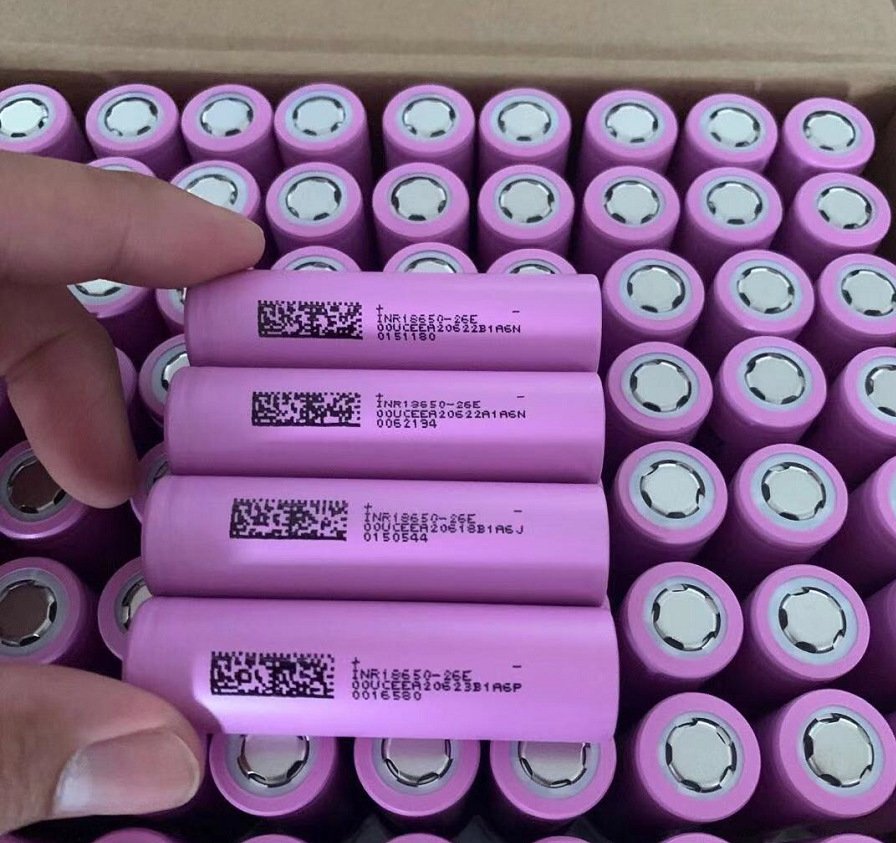
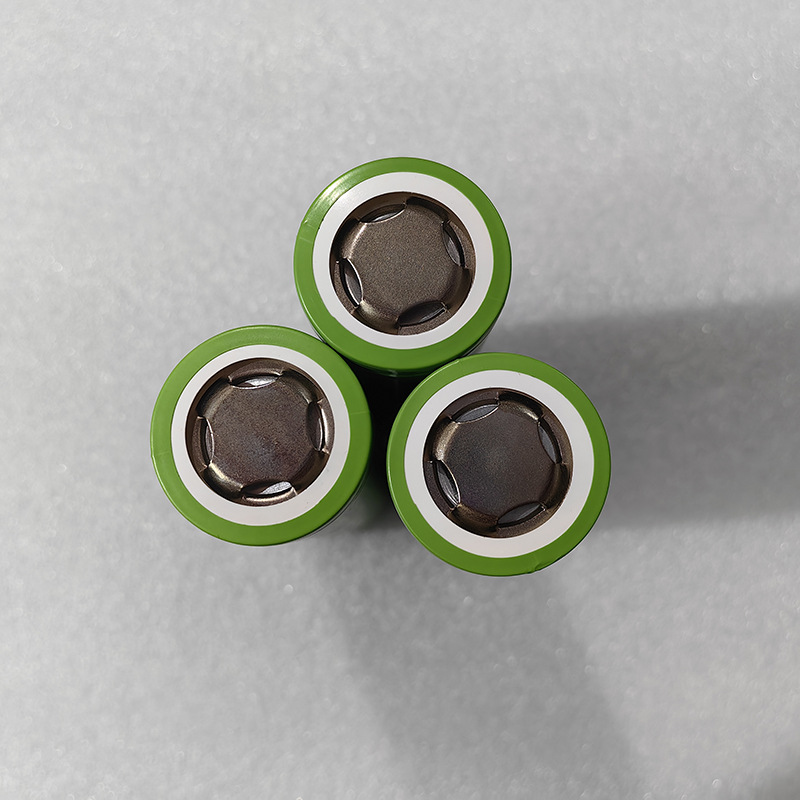
LFP chemistry has become the preferred choice for energy storage projects due to its exceptional thermal stability, extended cycle life exceeding 6,000 cycles, and superior safety profile compared to NMC alternatives. The 18650 cylindrical format provides standardized dimensions (18mm diameter × 65mm length) that simplify pack design and thermal management systems.
Key technical specifications for ESS-grade 18650 LFP cells include:
- Nominal Voltage: 3.2V
- Charging Cut-off Voltage: 3.65V
- Operating Temperature Range: -20°C to 60°C
- Cycle Life: 6,000+ cycles at 80% DOD
- Energy Density: 160-180 Wh/kg
Manufacturers now offer flexible procurement terms, eliminating traditional MOQ barriers that previously limited smaller ESS projects. This shift enables scalable deployment for commercial, industrial, and residential storage applications.
Factory Direct Sourcing Advantages
Purchasing directly from established Chinese battery manufacturers provides multiple strategic benefits for ESS developers:
Cost Efficiency: Eliminating intermediaries reduces procurement costs by 15-25%, directly impacting project ROI. Factory-direct pricing typically ranges from $0.67-$0.79 per cell for standard capacity grades, with volume discounts available for larger deployments.
Quality Control: Direct manufacturer relationships enable comprehensive quality verification, including cell grading consistency, batch traceability, and compliance with international certifications (UN38.3, IEC62619, UL1973).
Technical Support: Reputable manufacturers provide application engineering support, including pack design consultation, BMS compatibility verification, and thermal management recommendations specific to your ESS configuration.
For verified manufacturer partnerships, explore established battery manufacturers in China with proven export capabilities and ESS project experience.
Critical Technical Considerations for ESS Integration
Successful ESS deployment requires careful attention to cell selection and system integration parameters:
Cell Matching: Ensure capacity matching within ±50mAh and internal resistance variation below 5mΩ for optimal pack performance. Request detailed cell grading reports from suppliers before commitment.
BMS Compatibility: Verify BMS communication protocols and protection thresholds align with LFP chemistry requirements. Overcharge protection must activate at 3.65V per cell, with balanced charging capabilities for multi-series configurations.
Thermal Management: Design cooling systems maintaining cell temperatures between 15-35°C during operation. Cylindrical 18650 formats benefit from air or liquid cooling channels between cell rows.
Safety Systems: Implement multi-level protection including cell-level fusing, contactor-based disconnect, and fire suppression systems for installations exceeding 100kWh capacity.
Browse comprehensive cylindrical battery cell specifications to match your ESS project requirements with appropriate cell grades and capacity options.
2026 Market Dynamics and Pricing Trends
The LFP cell market has stabilized in 2026 following raw material price corrections. Lithium carbonate prices have normalized, enabling predictable long-term procurement planning. Key market indicators include:
- Supply Chain Maturity: Chinese manufacturers have expanded production capacity by 40% since 2024, reducing lead times to 4-6 weeks for standard orders.
- Quality Standardization: Industry-wide adoption of automated grading systems ensures consistent cell performance across production batches.
- Export Compliance: Enhanced documentation processes streamline customs clearance for international ESS projects, with manufacturers providing complete certification packages.
Verification Checklist for Supplier Selection
Before finalizing procurement agreements, conduct thorough supplier due diligence:
✓ Factory audit reports and production capacity verification
✓ Cell testing data from independent third-party laboratories
✓ Reference projects with similar ESS applications
✓ Warranty terms covering minimum 5 years or 6,000 cycles
✓ After-sales technical support availability
✓ Export documentation and logistics capabilities
Conclusion
The 2026 ESS market presents exceptional opportunities for buyers leveraging factory-direct 18650 LFP cell procurement from Chinese manufacturers. With no MOQ restrictions, competitive pricing, and mature supply chains, project developers can optimize system costs while maintaining quality standards. Prioritize manufacturers with proven ESS track records, comprehensive technical support, and transparent quality verification processes.
For detailed product specifications and direct manufacturer consultation, visit our contact page to discuss your ESS project requirements with experienced battery professionals.
This buyer’s guide reflects current market conditions as of March 2026. Specifications and pricing may vary based on order volume, delivery terms, and specific application requirements. Always request current quotations and technical documentation before project commitment.