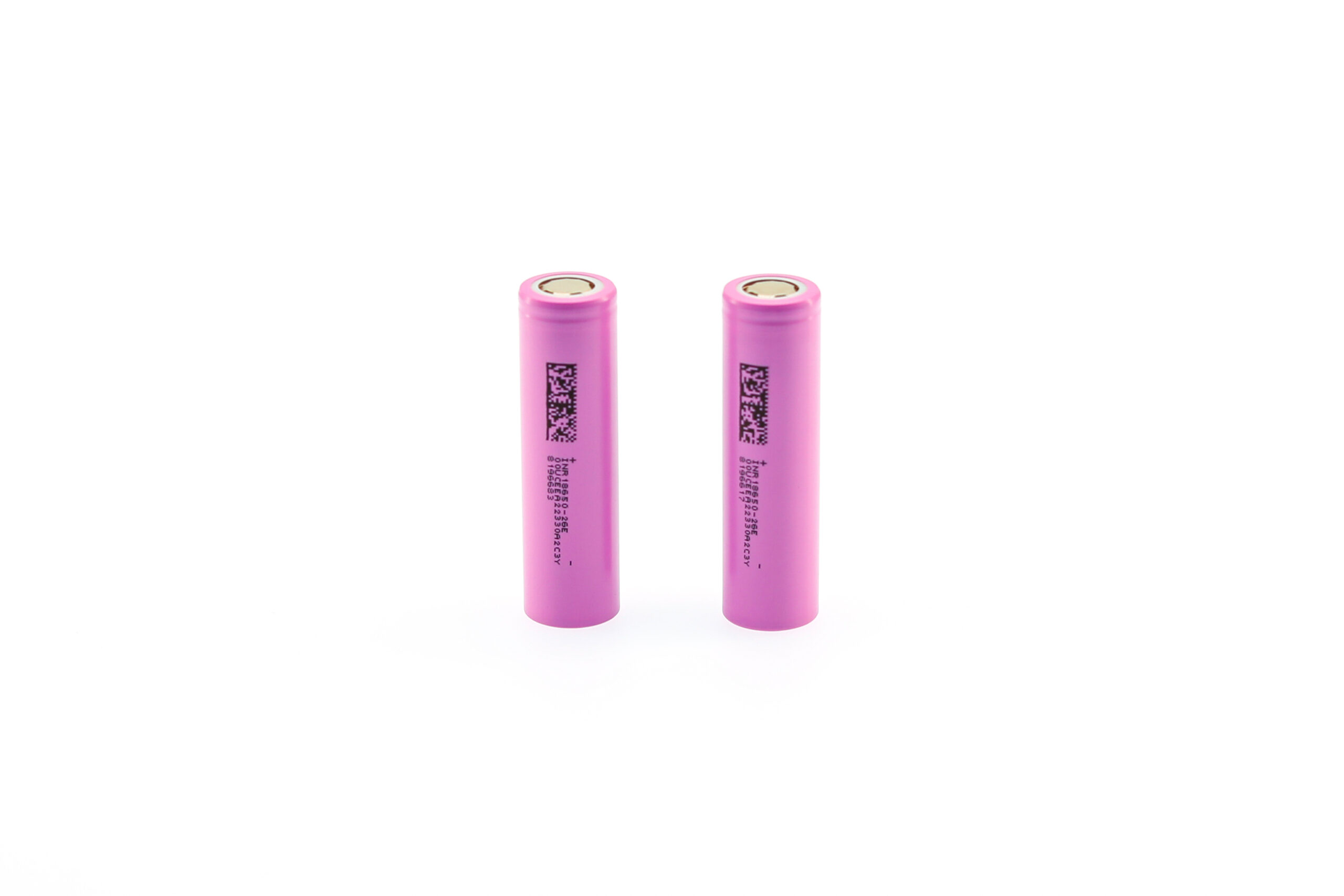
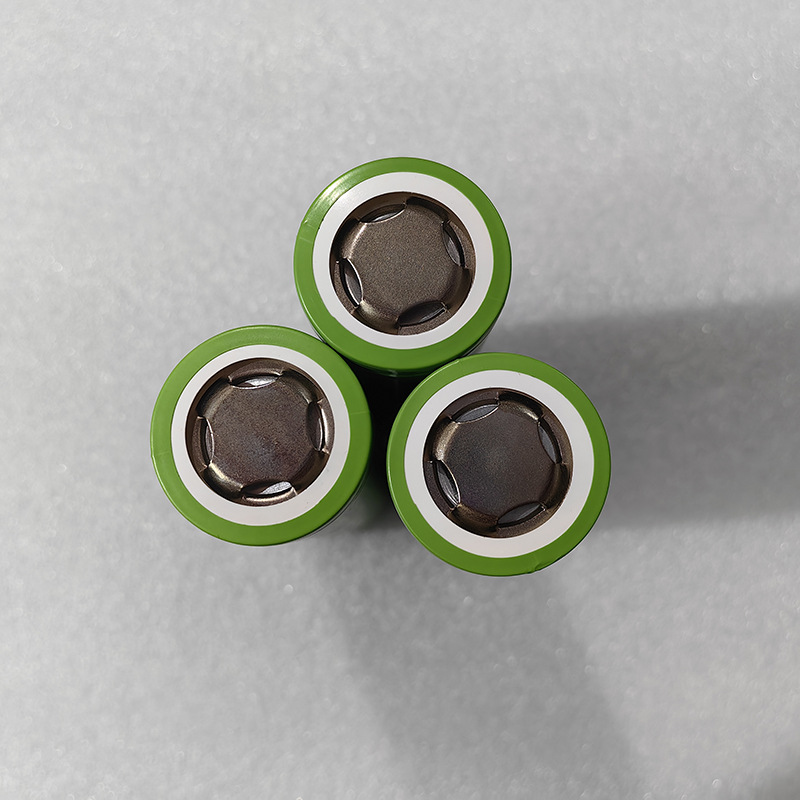
The Hidden Pitfalls of “Factory Direct” 18650 LFP Cells for Solar Storage
When sourcing 18650 Lithium Iron Phosphate (LFP) cells for large-scale solar storage projects, the allure of “Factory Direct” pricing from China is undeniable. The promise of cutting out middlemen to secure bulk LFP cells China export deals seems like a straightforward path to profitability. However, as a seasoned industry insider, I must warn you: chasing the absolute lowest price on 18650 LFP cells often leads to a critical compromise—cycle life.
For commercial solar applications, where the battery bank is expected to operate reliably for a decade or more, purchasing substandard “Factory Direct” cells is a false economy. In this article, we will dissect why standard 18650 LFP chemistry often lacks the longevity required for solar projects and how to identify manufacturers who actually deliver on the promise of long cycle life without hidden costs.
1. The Cycle Life Myth: Why Standard 18650 LFP Often Fails Solar Demands
The primary metric for any solar storage project is the Levelized Cost of Energy (LCOE). This calculation hinges on two variables: the upfront cost of the cells and the total energy throughput over their lifetime (Capacity x Cycle Life).
Many suppliers marketing “Factory Direct 18650 LFP Cells” quote cycle lives of 2000-3000 cycles. Sounds impressive, right? Not when you consider the fine print.
The Technical Reality:
Standard Lithium Iron Phosphate (LFP) chemistry, while thermally stable, suffers from lower ionic conductivity compared to NMC formulations. For a standard 18650 cell (measuring 18mm x 65mm), the internal resistance is inherently higher due to the coiled structure (Jelly Roll). When you combine standard LFP chemistry with the 18650 form factor, you get a cell that generates more heat during charge and discharge.
The Consequence:
- Heat Buildup: In a solar rack with hundreds of cells, this heat accumulates.
- Accelerated Degradation: High temperatures are the enemy of cycle life. A standard LFP 18650 cell operating at elevated temperatures in a tropical or desert climate may only achieve 500-800 cycles before capacity drops below 80%.
- The Result: Your “cheap” cells need replacing in 2-3 years instead of 10, doubling or tripling your LCOE.
2. Decoding “Factory Direct”: Is it Really Direct?
The term “Factory Direct” is often used as a marketing buzzword. In the Chinese battery export market, there are two distinct types of suppliers:
A. The “Trading Company” Factory
These are exporters who own a small workshop or act as a liaison to a larger OEM. They offer “direct” prices but often use recycled or down-cycled materials to hit low price points. Their quality control (QC) is usually limited to basic voltage checks.
B. The Integrated Manufacturer
True China export manufacturers control the entire supply chain—from electrode slurry mixing to final formation. They have the capital to invest in high-grade virgin LFP powder and automated production lines that ensure consistency.
How to Spot the Difference:
Ask for their Material Safety Data Sheet (MSDS) and their formation data. A genuine manufacturer will provide detailed graphs of the formation process for your batch. A trader often cannot.
3. The 18650 Form Factor: Engineering Challenges for Solar
While the 18650 cell is a marvel of engineering, it presents specific challenges for solar storage projects that bulk buyers often overlook.
The Surface Area to Volume Ratio
The 18650 cylinder has a high surface-area-to-volume ratio. While this aids in散热 (heat dissipation) in small devices like flashlights, in a densely packed solar battery rack, it means more points of contact and potential thermal runaway if the cells are mismatched.
The Need for Customization
Off-the-shelf 18650 LFP cells are designed for low-drain applications. For solar storage, you need cells engineered for:
- Deep Discharge Tolerance: Solar systems often drain batteries deeply (DoD >80%).
- High-Temperature Stability: Cells must perform in non-climate-controlled environments.
If a supplier offers “standard” 18650 LFP cells without asking about your Battery Management System (BMS) or thermal management setup, they are likely selling you a product meant for consumer electronics, not industrial solar storage.
4. Why CNS BATTERY is the Strategic Choice for Export Projects
As a professional blogger, I only recommend partners who solve the specific problems outlined above. When sourcing 18650 LFP cells China export for demanding applications, CNS BATTERY stands out as a Tier-1 manufacturer that prioritizes longevity over cheap pricing.
A. The “Long Cycle Life” Guarantee
CNS BATTERY does not rely on standard LFP chemistry. They utilize proprietary doping techniques to enhance the conductivity of the LFP crystal structure. This allows their cells to maintain performance even under the high internal resistance of the 18650 format. Their rigorous formation process ensures that every batch shipped meets the specified cycle life, avoiding the “short cycle life” trap common in the market.
B. Vertical Integration & Quality
Unlike traders, CNS operates as a fully integrated factory. This means they control the raw material sourcing and the automated production lines. For a B2B buyer, this translates to supply chain security. You are not at the mercy of a middleman’s inventory.
C. Technical Expertise for Solar
CNS specializes in providing customizable solutions. They understand that a solar project in Arizona has different thermal requirements than one in Germany. Their R&D team works with clients to ensure the cell specifications match the project’s environmental conditions.
Expert Tip: If you are evaluating 18650 LFP cells for your next project, do not just ask for the price per Ah. Ask for the “Cycle Life at 45°C.” This is the true test of a cell’s suitability for solar storage.
5. Conclusion: Investing in Longevity
Purchasing Factory Direct 18650 LFP Cells should not be a gamble. The goal is not to find the cheapest cells, but the cells with the lowest cost per cycle.
By understanding the technical limitations of standard LFP chemistry in the 18650 format and avoiding suppliers who cut corners on materials, you can secure a battery solution that powers your solar storage projects for decades. Remember, in the battery business, reliability is the ultimate currency.
If you are ready to move beyond the “short cycle life” pitfalls and source high-quality cylindrical cells directly from a manufacturer, explore the comprehensive range available from CNS BATTERY.
Explore our Cylindrical Battery Cell Range: Cylindrical Battery Cell Products
For B2B inquiries and to discuss how our engineering team can support your specific solar storage requirements, contact our sales department directly.
Contact CNS BATTERY Sales: Contact Information
Learn more about partnering with a leading Battery Manufacturer in China: Battery Manufacturers in China