Factory Direct 18650 LFP Cells China Export: No High Discharge Rate for E-bike Projects Ideal for Manufacturers
Understanding 18650 LFP Cell Characteristics for B2B Procurement
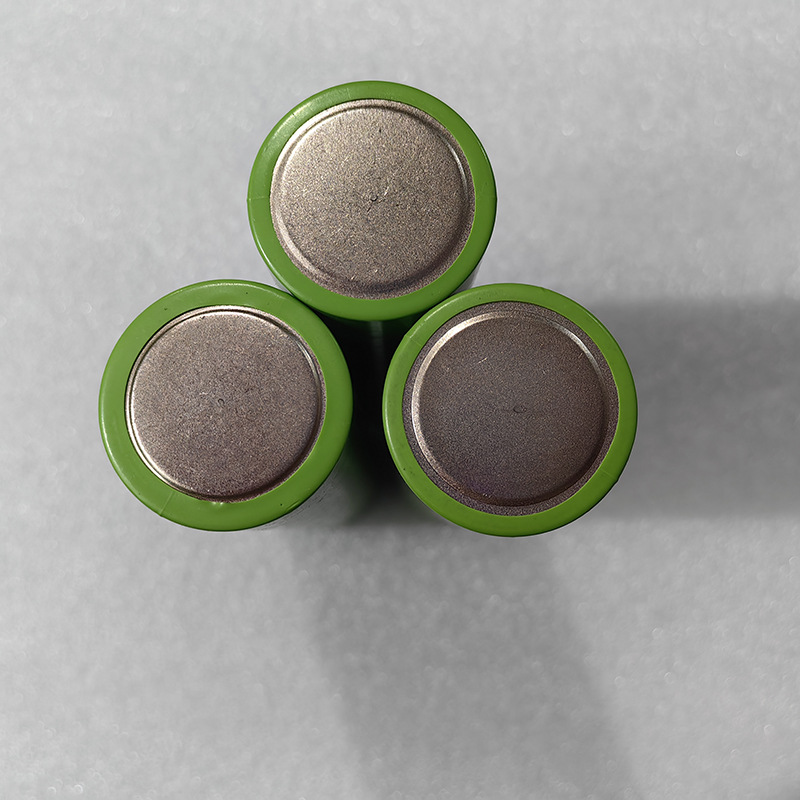
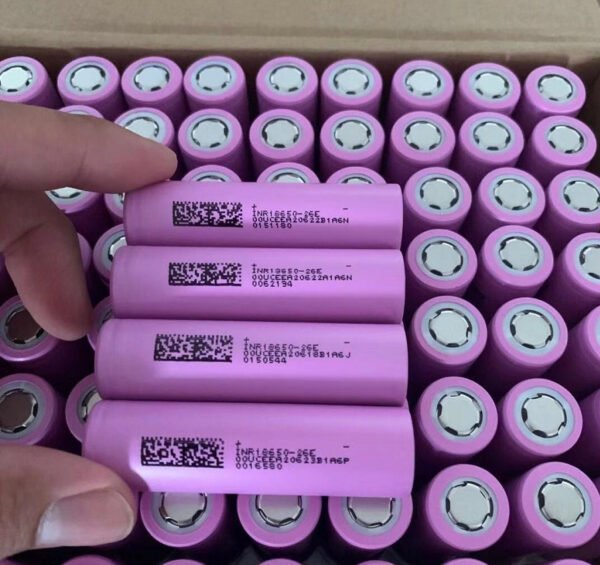
When sourcing lithium battery cells from China, manufacturers must clearly understand the technical specifications and application limitations. 18650 LFP (Lithium Iron Phosphate) cells represent a specific category within the cylindrical battery market, offering distinct advantages and constraints that directly impact project suitability.
Core Technical Specifications
18650 LFP cells feature a nominal voltage of 3.2V, with typical capacity ranging from 1,200mAh to 2,000mAh. The LFP chemistry provides exceptional cycle life (2,000-5,000 cycles) and superior thermal stability compared to NCM or NCA alternatives. However, the continuous discharge rate typically remains between 1C to 3C, which fundamentally limits high-power applications.
For e-bike projects requiring sustained high discharge rates (5C-10C for hill climbing or acceleration), standard 18650 LFP cells present significant performance constraints. This mismatch between cell capability and application demand creates reliability risks that manufacturers must address during the procurement phase.
Why High Discharge Rate E-bike Projects Need Alternative Solutions
E-bike motors typically require peak power outputs ranging from 250W to 750W for standard models, with performance e-bikes demanding even higher specifications. When calculating battery pack requirements, a 36V system drawing 15A continuous current requires cells capable of sustained 3C discharge minimum. High-performance models pushing 20A+ continuous draw need 5C+ rated cells.
Standard factory direct 18650 LFP cells from China export channels generally target energy storage, low-power mobility devices, and backup power applications—not high-discharge e-bike systems. Manufacturers attempting to use these cells for high-performance e-bike projects face:
- Voltage sag under load, reducing effective power delivery
- Accelerated capacity degradation from stress beyond design parameters
- Thermal management challenges requiring additional engineering resources
- Warranty and liability exposure from performance failures
Ideal Applications for 18650 LFP Cells from China Manufacturers
Despite limitations for high-discharge e-bike projects, 18650 LFP cells excel in numerous manufacturing applications:
Energy Storage Systems (ESS): Residential and commercial battery storage benefits from LFP’s cycle life and safety profile. The moderate discharge requirements align perfectly with cell specifications.
Low-Speed Electric Vehicles: Golf carts, mobility scooters, and warehouse equipment operate within the discharge envelope of standard 18650 LFP cells.
Solar Power Banks and Portable Energy: Consumer and industrial portable power solutions leverage the safety and longevity advantages.
Backup Power Systems: UPS and emergency lighting applications prioritize reliability over discharge rate.
Procurement Best Practices for International Buyers
When sourcing 18650 LFP cells directly from China manufacturers, B2B buyers should implement comprehensive verification protocols:
Technical Documentation: Request complete specification sheets including discharge curves, cycle life data at various C-rates, and thermal performance characteristics. Verify certifications (UN38.3, IEC62133, CE) match your target market requirements.
Sample Testing: Before volume orders, conduct independent testing on sample batches. Validate capacity, internal resistance, and discharge performance against manufacturer claims.
Supply Chain Transparency: Understand the manufacturing origin, quality control processes, and traceability systems. Reputable battery manufacturers in China maintain transparent production records and quality documentation.
Contract Specifications: Define acceptance criteria, rejection thresholds, and warranty terms clearly. Include provisions for batch consistency and performance guarantees.
Compliance and Regulatory Considerations
International shipments of lithium battery cells require strict adherence to transportation and import regulations:
- UN38.3 Testing: Mandatory for all lithium battery shipments
- MSDS Documentation: Required for customs clearance in most jurisdictions
- Country-Specific Certifications: EU (CE), North America (UL/ETL), and other regional requirements
- Packaging Standards: UN-certified packaging for dangerous goods transport
Manufacturers should verify their suppliers maintain current certifications and can provide complete documentation packages for smooth customs processing.
Case Study: Manufacturer Application Success
A European energy storage manufacturer partnered with a China-based cell supplier for residential battery systems. By clearly defining application requirements (1C continuous discharge, 40°C operating temperature), they selected appropriate 18650 LFP cells matching their technical needs. The partnership succeeded through:
- Clear specification alignment during procurement
- Independent sample validation before volume commitment
- Established quality control checkpoints throughout production
- Comprehensive documentation for EU market compliance
This approach contrasts with e-bike manufacturers attempting to use standard 18650 LFP cells for high-discharge applications, resulting in field failures and warranty claims.
Making Informed Sourcing Decisions
For manufacturers evaluating 18650 LFP cells from China export channels, success depends on honest application assessment and supplier verification. These cells offer excellent value for appropriate applications but create significant risks when misapplied to high-discharge e-bike projects.
Review available cylindrical battery cell specifications carefully against your project requirements. When discharge rate demands exceed standard LFP capabilities, consider alternative chemistries or cell formats designed for high-power applications.
Contact and Further Information
Manufacturers seeking clarification on 18650 LFP cell suitability for specific projects should engage directly with suppliers during the evaluation phase. Request technical support, application engineering assistance, and reference customer contacts for similar applications.
For detailed product specifications, certification documentation, or custom manufacturing inquiries, visit the contact page to initiate direct communication with the manufacturing team.
Conclusion
Factory direct 18650 LFP cells from China represent valuable components for manufacturers when applied correctly. Understanding the discharge rate limitations prevents costly project failures while leveraging the chemistry’s strengths in cycle life, safety, and cost-effectiveness. B2B buyers who invest in proper technical evaluation, supplier verification, and application matching achieve successful outcomes in energy storage, low-power mobility, and backup power segments—while avoiding the pitfalls of misapplying these cells to high-discharge e-bike projects.
The key to successful procurement lies in honest technical assessment, comprehensive supplier due diligence, and clear specification alignment between cell capabilities and application demands. Manufacturers who follow these principles build reliable products, maintain customer satisfaction, and establish sustainable supply chain partnerships with China-based battery producers.