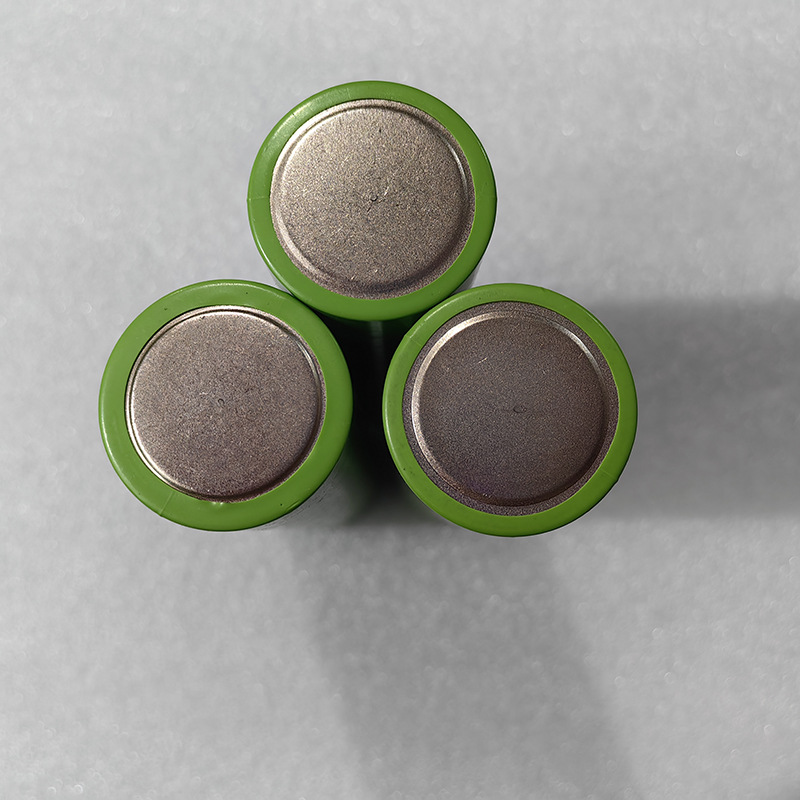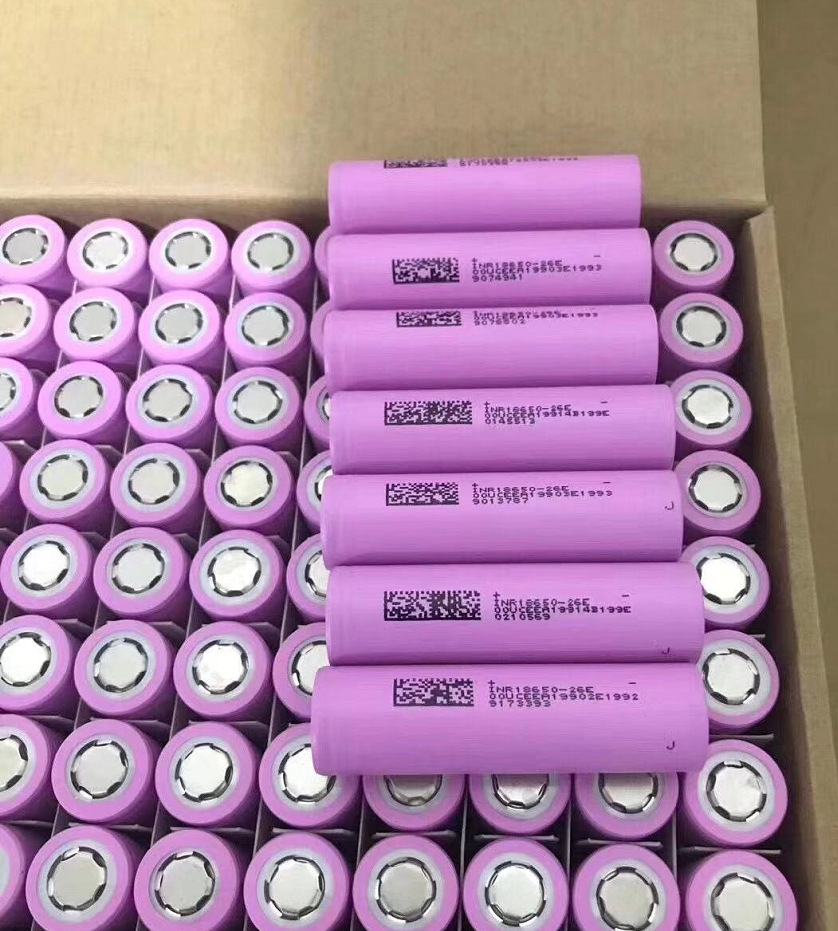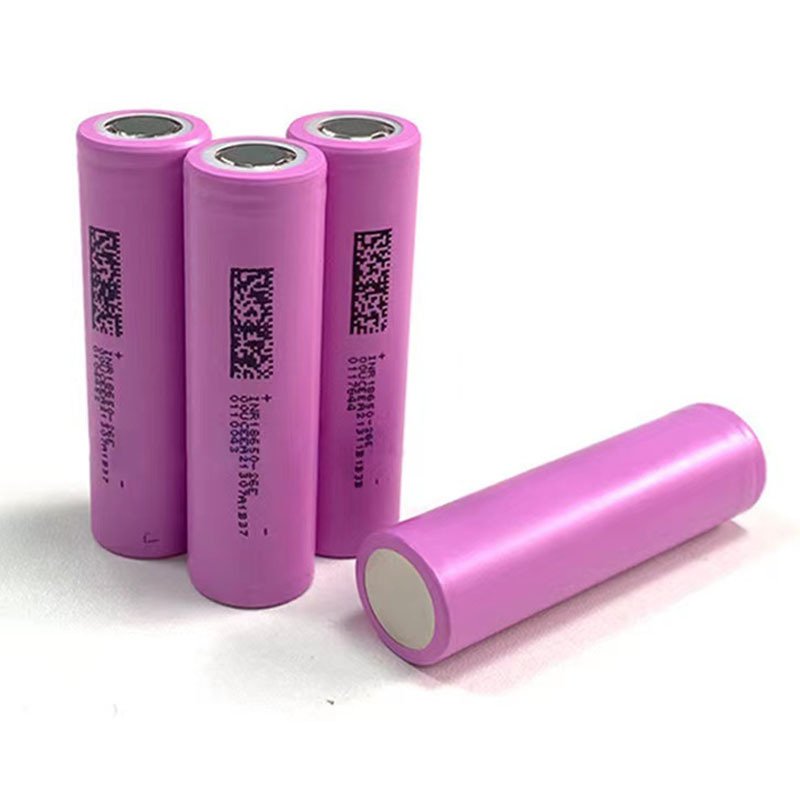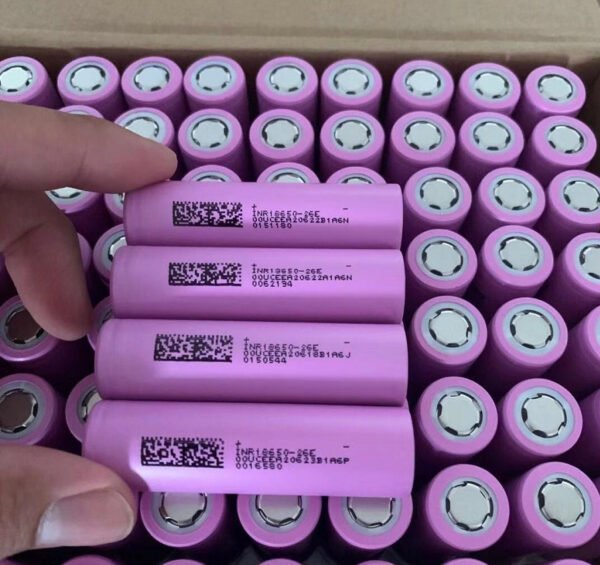
Factory Direct 18650 LFP Cells China Export: No Extended Warranty for E-bike Projects Top 5 Problems & Solutions
Navigating the Pitfalls of Cheap 18650 LFP Cells for E-Bikes
As a professional lithium battery practitioner, I have seen many e-bike projects derailed by the allure of “Factory Direct” pricing on 18650 Lithium Iron Phosphate (LFP) cells from China. While the market is flooded with suppliers offering tempting export deals, there is a critical caveat that every B2B client must understand: If a supplier offers “No Extended Warranty” on their cells, your e-bike project is likely to face significant technical and financial risks.
This article dissects the top 5 technical problems that arise when using low-cost, non-warrantied LFP cells and provides the engineering solutions required to ensure your product survives in the real world. Do not make the mistake of prioritizing upfront cost over long-term reliability.
The “No Extended Warranty” Red Flag
In the battery industry, a warranty is not just a piece of paper; it is a proxy for Quality Control (QC) capability and confidence in the Cell Chemistry. When a Chinese exporter markets “Factory Direct” 18650 LFP cells without an extended warranty (typically 12-24 months), it indicates one of two scenarios: either the factory lacks the capital to cover future liabilities, or their internal testing has proven that the cells will fail prematurely.
For e-bike applications, which require high vibration resistance and wide temperature operation, this lack of assurance translates directly into field failures. Let us analyze the specific technical failures you are likely to encounter.
Problem 1: Inconsistent Cycle Life Leading to “Capacity Fade”
The Symptom:
Your e-bike batteries lose range dramatically after only 100-200 charges. Riders report the battery “dies” even when the meter shows 30% charge remaining.
The Technical Root Cause:
Cells without a warranty often skip the rigorous “Formation” and “Grading” processes. Cheap LFP cells frequently suffer from poor slurry mixing and inconsistent electrode coating. This results in a wide Internal Resistance (IR) distribution across the batch. When these mismatched cells are assembled into a pack, the weakest cell dictates the lifespan of the entire string.
The Solution:
Demand proof of Sorting by Voltage and IR. A reputable manufacturer, such as those adhering to strict QC protocols, will bin cells into tight tolerances (e.g., IR variance < 2mΩ). If the supplier cannot provide a detailed binning sheet or Cyclic Voltammetry test data, the cells are not suitable for a high-drain application like an e-bike. You must invest in cells that guarantee a cycle life of at least 2000 cycles at 1C discharge to ensure a 3-5 year product lifespan.
Problem 2: Thermal Runaway Risk Due to Poor Separator Quality
The Symptom:
Batteries swell, leak, or in worst cases, catch fire during high-load acceleration or fast charging.
The Technical Root Cause:
The separator is the most critical safety component in a cylindrical cell. Budget exporters often use thin, low-melting-point polyethylene (PE) separators or recycled materials to cut costs. Under the stress of an e-bike’s high discharge current (often 10C-20C surges), these separators can easily collapse or melt, causing internal short circuits.
The Solution:
Specify Ceramic-Coated Separators. For e-bike projects, standard PE separators are insufficient. You need cells utilizing a PE+PP trilayer structure with a ceramic (Al2O3) coating. This provides a “shutdown” function at high temperatures and prevents micro-shorts caused by lithium plating. If the datasheet does not explicitly list “Ceramic Coating” or “Trilayer Separator,” do not proceed with the purchase.
Problem 3: High Internal Resistance Causing Voltage Drop
The Symptom:
The e-bike cuts out mid-ride, especially when climbing hills. The Battery Management System (BMS) triggers an “Under Voltage” fault even though the battery is not fully depleted.
The Solution:
Source cells with Low Impedance Design. The solution is to use cells engineered with high-conductivity electrolytes and optimized current collectors. For 18650 LFP cells used in e-bikes, the AC Internal Resistance should ideally be below 25mΩ. If the supplier cannot guarantee low IR, your pack will simply be too inefficient to power a motor effectively.
Problem 4: Mechanical Failure Under Vibration
The Symptom:
Intermittent power loss or complete dead cells after riding on rough roads.
The Technical Root Cause:
E-bikes are essentially mobile vibration machines. Cheap “Factory Direct” cells often have weak mechanical integrity. The internal jelly roll can shift, causing the electrode tabs to snap or the internal connections to break. Furthermore, the steel casing on low-quality cells may not be thick enough to withstand road vibrations.
The Solution:
Require Automotive-Grade Mechanical Testing. The cells must pass specific vibration and shock tests (e.g., SAE J2464 standards). Look for cells that utilize a “Full Tab” or “Laser-Welded” connection technology between the electrode and the cap, which is far more robust than traditional spot welding. Without this mechanical robustness, your warranty claims will skyrocket.
Problem 5: Lack of Traceability and Data Logging
The Symptom:
When a batch fails in the field, the supplier denies responsibility, claiming “user error.”
The Technical Root Cause:
Professional battery manufacturing involves Lot Traceability. Every cell should have a unique laser code linking it back to the specific batch of raw materials, the coating machine used, and the formation rack. Cheap exporters often mix batches or do not log data, making it impossible to verify if a failure was due to a manufacturing defect.
The Solution:
Only purchase from manufacturers who provide Full Data Traceability. If a supplier offers “No Extended Warranty,” they likely do not maintain the data logs required to prove their cells met spec. A professional supplier will provide a Certificate of Compliance (CoC) with every shipment, detailing the test results for that specific lot.
Conclusion: Invest in Reliability, Not Just Price
In conclusion, while the export market for 18650 LFP cells is vast, choosing a supplier based solely on “Factory Direct” pricing without an extended warranty is a recipe for disaster. The technical problems of poor cycle life, safety hazards, and mechanical failure will cost you far more in returns, brand damage, and potential lawsuits than the few cents saved per cell.
As a professional in the industry, I strongly advise you to partner with a manufacturer that stands behind their product with a robust warranty and rigorous quality control. Do not compromise on the safety and performance of your e-bike project.
Ready to source high-quality, warrantied 18650 LFP cells for your e-bike project? Explore our comprehensive range of Cylindrical Battery Cells engineered for performance and safety, or contact our team directly to discuss your specific requirements.