

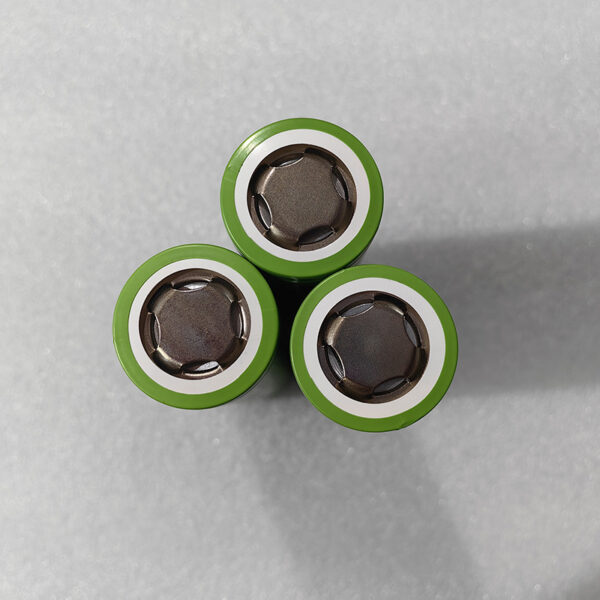
Factory Direct 18650 LFP Cells China Export: No BMS Compatibility Solved for Power Tools Projects vs Competitors
For engineers and technical procurement specialists sourcing lithium battery solutions, the challenge of BMS compatibility with factory-direct 18650 LFP cells remains a critical pain point in power tool applications. This comprehensive analysis addresses how Chinese manufacturers are resolving integration complexities while maintaining competitive advantages against global competitors.
Understanding the BMS Compatibility Challenge
Lithium Iron Phosphate (LFP) chemistry offers inherent safety advantages over traditional NMC cells, with thermal runaway temperatures exceeding 270°C. However, power tool applications demand precise voltage matching, current delivery, and communication protocols between cells and Battery Management Systems. Many factory-direct suppliers overlook these integration requirements, creating compatibility gaps that compromise project timelines.
The core issue stems from inconsistent cell specifications across production batches. Voltage variance beyond ±0.05V per cell triggers BMS protection mechanisms, causing unexpected shutdowns during high-drain operations typical in cordless drills, impact drivers, and angle grinders.
Technical Parameter Advantages of Quality 18650 LFP Cells
Premium 18650 LFP cells designed for power tools deliver specific performance characteristics:
Continuous Discharge Rate: 25A-45A capability ensures sufficient power for demanding applications without voltage sag. Lower-quality competitors often specify peak rates only, misleading procurement teams about sustained performance.
Cycle Life: Genuine LFP chemistry achieves 2000-3000 cycles at 80% depth of discharge, significantly outperforming NMC alternatives in long-term cost calculations. This translates to reduced total cost of ownership for commercial power tool fleets.
Operating Temperature Range: -20°C to 60°C operational window accommodates diverse working environments from construction sites to manufacturing facilities.
Internal Resistance: Below 35mΩ per cell minimizes heat generation during high-current discharge, extending both cell and BMS component lifespan.
For detailed specifications on cylindrical battery cells meeting these criteria, visit CNS Battery’s cylindrical cell product line.
Testing Methodologies for BMS Compatibility Verification
Professional procurement requires validated testing protocols before bulk orders:
1. Voltage Matching Test: Measure open-circuit voltage across 100-cell samples after 24-hour rest period. Acceptable variance should not exceed 10mV for optimal BMS balancing performance.
2. Pulse Discharge Testing: Apply 3C discharge pulses for 10 seconds with 5-second intervals, monitoring voltage recovery time. Quality cells return to nominal voltage within 2 seconds.
3. Communication Protocol Validation: For smart BMS systems, verify I2C or UART communication stability under electromagnetic interference conditions typical in power tool motors.
4. Thermal Cycling: Subject cells to -20°C to 60°C cycles while monitoring capacity retention. Premium LFP cells maintain 95%+ capacity after 50 thermal cycles.
5. UN38.3 Transportation Compliance: All export shipments require UN38.3 certification covering altitude simulation, thermal testing, vibration, shock, external short circuit, impact, overcharge, and forced discharge tests. This certification is mandatory for air and sea freight to EU and US markets.
Regional Compliance: EU and US Technical Standards
Geographic market entry demands specific certification pathways:
European Union Compliance:
- IEC 62133-2:2017 certification for cell safety
- EU Battery Regulation (EU) 2023/1542 requiring carbon footprint declarations and recycling QR codes
- CE marking with comprehensive technical documentation
- RoHS compliance for hazardous substance restrictions
United States Requirements:
- UL 1642 certification for individual cells
- UL 2054 for battery pack assemblies
- DOT compliance for transportation
- State-specific regulations (California Proposition 65)
Chinese manufacturers with established export infrastructure provide pre-certified cells, reducing time-to-market by 6-12 months compared to competitors requiring post-shipment certification. This advantage proves critical for power tool OEMs facing tight product launch schedules.
Competitive Differentiation Factors
When evaluating factory-direct suppliers against competitors, consider these differentiation points:
Supply Chain Transparency: Verified manufacturers provide complete material traceability from cathode sourcing to final assembly. Request supplier audits and quality management system certifications (ISO 9001, IATF 16949).
Technical Support Capability: Leading suppliers maintain engineering teams capable of BMS integration support, including custom communication protocol development and protection parameter tuning.
Production Capacity Stability: Assess manufacturing capacity against order volumes. Suppliers operating below 70% capacity utilization offer better consistency than those running at maximum capacity.
After-Sales Technical Service: Warranty terms should include technical consultation, failure analysis, and replacement logistics within 30 days for international customers.
For manufacturers seeking verified Chinese battery partners with export compliance expertise, explore CNS Battery’s manufacturer network.
Conclusion: Strategic Sourcing for Power Tool Applications
The resolution of BMS compatibility challenges with factory-direct 18650 LFP cells requires systematic evaluation beyond price comparisons. Technical procurement teams must validate cell specifications against actual power tool requirements, verify international certification status, and assess supplier technical support capabilities.
Chinese manufacturers offering pre-certified cells with documented BMS compatibility testing provide significant advantages for EU and US market entry. The combination of LFP safety characteristics, competitive pricing, and compliance infrastructure positions quality suppliers as strategic partners rather than commodity vendors.
For technical consultation on specific power tool battery projects, contact the CNS Battery technical team for application-specific recommendations and sample testing protocols.
Successful power tool battery projects depend on selecting partners who understand both cell chemistry fundamentals and regional regulatory requirements. This dual expertise separates viable long-term suppliers from short-term cost competitors in the global lithium battery marketplace.

