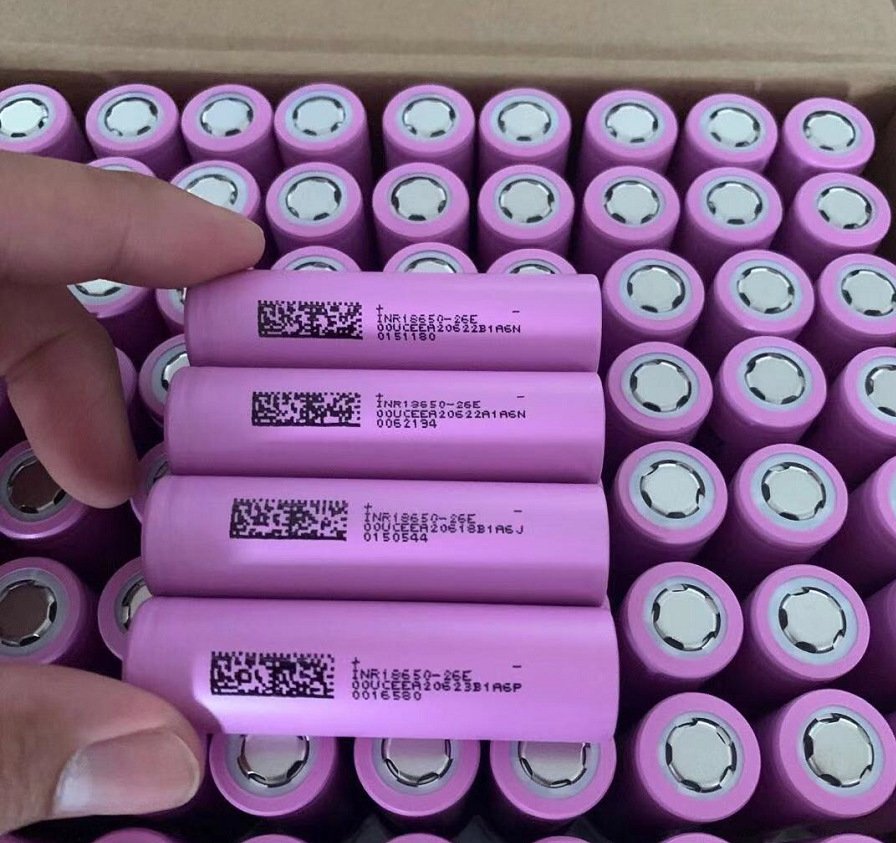
Unveiling the Safety Core: Explosion-Proof Cylindrical Battery Cell Technology
In the high-stakes world of industrial energy storage and electric mobility, the term “Explosion-Proof” is not merely a marketing buzzword; it is a non-negotiable safety standard. As a professional lithium battery blogger and industry observer, I have witnessed a paradigm shift in recent years. The demand for Explosion-Proof Cylindrical Battery Cells has surged, driven by the need for robust, reliable, and inherently safe energy solutions that can withstand the rigors of heavy-duty applications. This article delves deep into the technology behind these safety-centric cells, analyzing their structural advantages, chemical compositions, and the rigorous testing protocols that define their “explosion-proof” credentials.
The Structural Fortitude of Cylindrical Cells
The cylindrical form factor has long been revered in the battery industry for its mechanical stability. Unlike pouch or prismatic cells, the cylindrical design inherently resists deformation. The “jelly roll” structure—where anode, cathode, and separator are wound tightly—creates a uniform internal pressure distribution. This structural integrity is the first line of defense against physical abuse.
When we discuss Explosion-Proof Cylindrical Battery Cell technology, we are referring to a system of engineering safeguards. The robust steel or aluminum casing acts as a pressure vessel. In the event of thermal runaway—a chain reaction of internal heating—cylindrical cells are designed with safety vents. These vents are precision-engineered weak points that rupture at a specific pressure, safely channeling gases outward in a controlled explosion rather than allowing the cell to rupture violently. This containment capability is why cylindrical cells are often the preferred choice for mission-critical applications where safety cannot be compromised.
Chemistry and Thermal Management
The heart of explosion-proof technology lies in the chemistry. Modern cylindrical cells utilize advanced cathode materials such as Nickel Manganese Cobalt (NMC) and Lithium Iron Phosphate (LFP). While NMC offers high energy density, LFP chemistry is renowned for its superior thermal stability and longer cycle life, making it a prime candidate for “explosion-proof” classifications.
The electrolyte composition is another critical factor. Innovations in electrolyte additives and solid-state interfaces are designed to prevent dendrite formation—microscopic fibers of lithium that can pierce the separator and cause short circuits, the primary trigger for thermal events. Furthermore, the cylindrical geometry facilitates superior heat dissipation. The circular cross-section allows for efficient heat transfer to the outer casing, preventing hotspots from developing within the cell. This passive thermal management is a key differentiator when comparing cylindrical cells to their counterparts.
Rigorous Testing and Compliance
To earn the title of “Explosion-Proof,” a battery cell must undergo a battery of destructive tests. These are not optional; they are mandated by international safety standards such as UL 1642 and IEC 62133. The tests include:
- Crush Test: Simulating a collision or physical impact, the cell is crushed with a hydraulic press. An explosion-proof cell will vent safely without fire or explosion.
- Nail Penetration Test: A steel nail is driven through the cell to induce an internal short circuit. A safe cell will experience a temperature rise but will not explode.
- Overcharge and Short Circuit: Testing the limits of the Battery Management System (BMS) and the cell’s internal safety mechanisms.
Only cells that pass these tests with zero flames and minimal smoke are deemed suitable for applications where human safety is paramount.
The CNS BATTERY Advantage
When sourcing Explosion-Proof Cylindrical Battery Cell solutions, partnering with a manufacturer that prioritizes R&D and quality control is essential. CNS BATTERY stands at the forefront of this technology, offering a comprehensive range of cylindrical cells designed for the global market.
CNS BATTERY’s product line includes the 18650, 21700, and 32700 formats, each engineered with high-energy density and long cycle life in mind. Their commitment to safety is evident in their automated production lines and strict quality management systems. Whether you require cells for energy storage systems, power tools, or electric vehicles, CNS BATTERY provides customizable solutions that meet the highest safety standards.
For businesses looking to integrate reliable, safe, and high-performance cylindrical cells into their products, CNS BATTERY offers the technical expertise and product range to meet your needs. Explore their full range of cylindrical battery cells and discover how their technology can power your next innovation.
- Explore the Product Range: Cylindrical Battery Cell
- Contact the Experts: Contact Us
- Learn More About the Manufacturer: Battery Manufacturers in China