

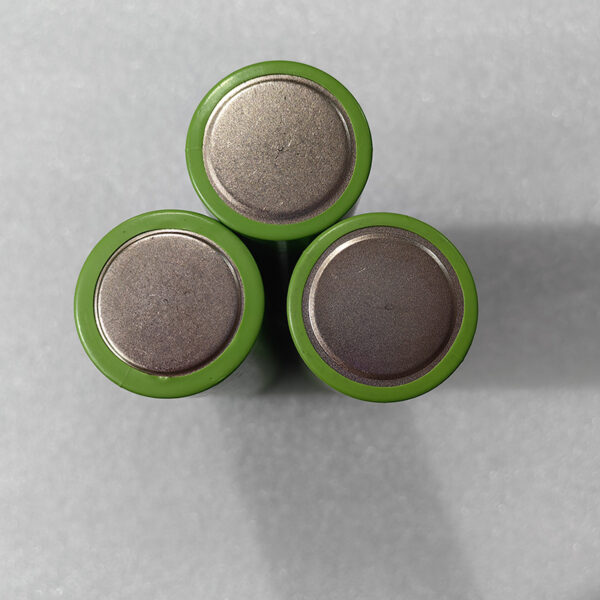
The Definitive Guide to Cylindrical Battery Cells: Engineering & Applications
In the rapidly evolving landscape of energy storage, Cylindrical Battery Cells remain the gold standard for reliability, performance, and scalability. As a leading manufacturer in the industry, we understand that engineers, procurement managers, and OEMs require more than just cells—they demand robust technical specifications, consistent quality, and deep R&D support.
This guide serves as a comprehensive resource for global B2B partners, dissecting the technical architecture of cylindrical cells and how they solve real-world power challenges. Whether you are designing high-end power tools or large-scale energy storage systems, understanding the nuances of these cells is the first step toward optimizing your product design.
The Structural Advantage: Why Cylindrical Geometry?
At the heart of every cylindrical cell lies a fundamental engineering advantage: mechanical stability. Unlike pouch or prismatic cells, the cylindrical format utilizes a rigid metal casing (typically steel or aluminum) that provides superior structural integrity.
From a technical standpoint, the “jelly roll” construction—where anode, cathode, and separator are wound into a tight coil—creates a balanced internal stress distribution. This geometry allows for:
- Superior Heat Dissipation: The cylindrical shape offers a high surface-area-to-volume ratio, facilitating efficient thermal management. This is critical for applications requiring high C-rates.
- High Packing Density: While there are gaps between cylinders, modern manufacturing techniques and module designs have minimized this inefficiency, making them highly competitive in volumetric energy density.
- Manufacturing Robustness: The winding process is highly automated and less prone to defects like swelling, which can occur in pouch cells.
These attributes make cylindrical cells the preferred choice for applications where safety and longevity are non-negotiable.
Decoding the Naming Convention: 18650, 21700, and 32700
Navigating the world of cylindrical batteries starts with understanding the nomenclature. The code is actually a set of dimensions. For example, an 18650 cell is 18mm in diameter and 65.0mm in length. As technology advances, we see a shift toward larger formats like the 21700 (21mm x 70mm) and 32700 (32mm x 70mm), which offer higher energy density and reduced internal resistance.
Here is a breakdown of the most common industrial standards we manufacture:
1. The 18650: The Industry Veteran
This is the most mature format in the industry. Known for its balance of energy and power, the 18650 is the workhorse of the battery world. It is widely used in laptops, medical devices, and entry-level electric bikes. Its small footprint allows for flexible pack design, though it requires more Battery Management System (BMS) complexity in large arrays.
2. The 21700: The High-Performance Standard
The 21700 represents the next generation of energy density. By increasing the diameter, manufacturers can reduce the ratio of “dead weight” (casing) to active material. This results in higher capacity (often exceeding 5000mAh) and lower impedance, making it ideal for high-drain applications like cordless power tools and high-speed e-scooters.
3. The 32700: The Energy Storage Specialist
Stepping into the larger format, the 32700 cell is designed for applications requiring massive energy throughput in a compact cell count. With capacities often reaching 6000mAh to 7000mAh, these cells are perfect for stationary energy storage systems (ESS) and high-torque industrial equipment. Fewer cells in a pack mean a simpler BMS and lower assembly costs.
Application-Specific Chemistry & Performance
Selecting the right cell isn’t just about size; it is about matching the chemistry to the application. At CNS Battery, we engineer cells based on specific performance metrics: Energy Density (long runtime) versus Power Density (high current output).
1. Consumer Electronics & Smart Devices
For wearables, Bluetooth speakers, and portable electronics, the focus is on Energy Density. Our high-voltage platforms and compact 18650 solutions ensure your devices last longer without adding bulk. The reliability of the cylindrical format ensures zero swelling, maintaining the sleek design of your consumer products.
2. Power Tools & Garden Equipment
Cordless tools demand Power Density. These applications require cells that can discharge at high C-rates (often 10C-20C+) without overheating. Our 21700 series, such as the INR21700-4000, is engineered with low internal resistance to deliver the torque and runtime professionals expect, while maintaining thermal stability during heavy loads.
3. Electric Vehicles & Micromobility
From e-bikes to electric scooters, the trend is moving toward the 21700 and 32700 formats. The larger diameter cells offer better thermal management for the high currents involved in propulsion. For instance, our INR18650-3500 and INR21700-5000 series provide the optimal balance of range and acceleration, ensuring a smooth riding experience.
4. Energy Storage Systems (ESS)
For solar storage and backup power, Cycle Life and Safety are paramount. We utilize specialized chemistries like Lithium Iron Phosphate (LFP) in our larger format cells (including the 32700) to guarantee over 3000 cycles. This longevity ensures a low total cost of ownership for residential and commercial ESS installations.
Partnering with a Global Manufacturer
Choosing a battery partner is a strategic decision that impacts your entire supply chain. As a top-tier Battery Manufacturer in China, we combine advanced automated production lines with rigorous quality management systems to deliver cells that meet international safety standards.
Our commitment goes beyond the cell. We offer comprehensive R&D support, including:
- Customization: Tailoring voltage, capacity, and discharge curves to your specific hardware.
- Module Development: Assistance with pack design, BMS integration, and thermal testing.
- Global Compliance: Ensuring our cells meet UN38.3, CE, RoHS, and other regional regulatory requirements.
Ready to Power Your Innovation?
Understanding the technical landscape of cylindrical cells empowers you to make the best decision for your next project. Whether you need the compact reliability of the 18650, the high-performance punch of the 21700, or the massive storage capacity of the 32700, our engineering team is ready to assist.
Explore our full range of Cylindrical Battery Cells to find the perfect fit for your application, or contact our sales engineers directly for a customized consultation.


