
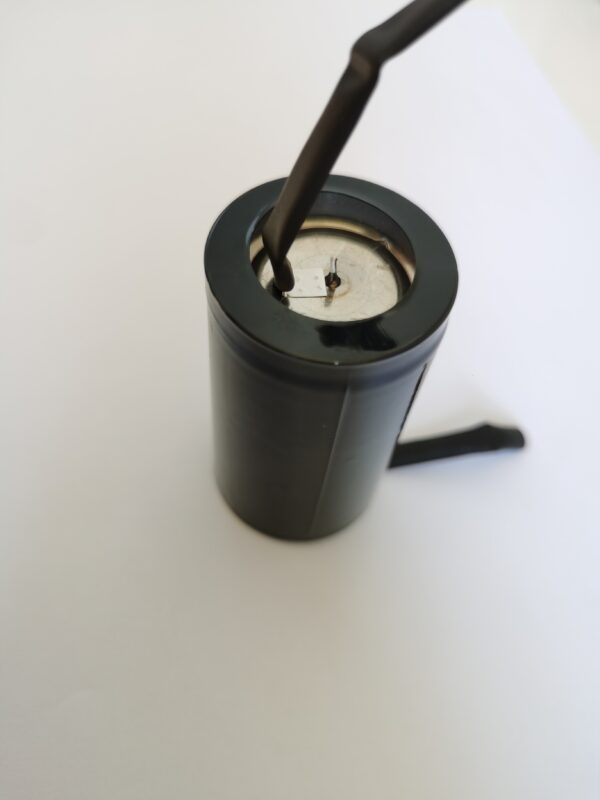
EU Compliant End-of-Life Disposal of Li-SOCl₂ Batteries
The European Union’s Battery Regulation (EU) 2023/1542, which fully entered into force on August 18, 2025, has fundamentally transformed how lithium thionyl chloride (Li-SOCl₂) batteries must be managed throughout their lifecycle—including critical end-of-life disposal procedures. For engineers, technical procurers, and compliance officers operating in the EU market, understanding these requirements is no longer optional but a mandatory condition for market access in 2026 and beyond.
Understanding Li-SOCl₂ Battery Technology
Li-SOCl₂ batteries represent the highest energy density primary lithium battery chemistry commercially available today, delivering up to 590 Wh/kg and operating at a nominal voltage of 3.6V. The electrochemical reaction follows: 4Li + 2SOCl₂ → 4LiCl + S + SO₂, where lithium serves as the anode and thionyl chloride acts as both cathode active material and electrolyte solvent.
These batteries feature exceptional characteristics including ultra-low self-discharge rates (enabling 10+ year shelf life), wide operating temperature ranges (-55°C to +85°C), and stable voltage discharge curves. Such properties make them indispensable for smart metering, IoT sensors, medical devices, and aerospace applications. However, the presence of thionyl chloride—a corrosive, moisture-sensitive compound—classifies these batteries as hazardous materials requiring specialized disposal protocols under EU regulations.
Core EU Compliance Requirements for End-of-Life Management
1. Extended Producer Responsibility (EPR)
The EU Battery Regulation mandates that all battery producers assume financial and operational responsibility for collection, treatment, and recycling of waste batteries. For Li-SOCl₂ battery manufacturers and importers, this means establishing or joining approved compliance schemes in each EU member state where products are sold. EPR registration numbers must be obtained before market placement and displayed on product documentation.
2. Battery Passport and Traceability
Starting 2026, industrial and professional batteries require digital battery passports containing comprehensive lifecycle data. For Li-SOCl₂ batteries, this includes chemical composition, manufacturing date, capacity specifications, carbon footprint declarations, and end-of-life handling instructions. The passport must remain accessible throughout the battery’s lifetime and beyond, enabling proper disposal routing.
3. Labeling and Information Requirements
All Li-SOCl₂ batteries sold in the EU must carry standardized labels indicating:
- Chemical composition (Li-SOCl₂)
- Capacity and voltage specifications
- Separate collection symbol (crossed-out wheeled bin)
- Manufacturer identification and batch tracking codes
- Hazard warnings appropriate for thionyl chloride content
4. Collection and Recycling Efficiency Targets
The regulation establishes minimum collection rates (63% for portable batteries by 2027) and material recovery requirements. Li-SOCl₂ batteries must be routed through authorized treatment facilities capable of safely neutralizing thionyl chloride compounds and recovering lithium, carbon, and metal components.
Proper Disposal Procedures for Li-SOCl₂ Batteries
Step 1: Safe Collection and Transportation
End-of-life Li-SOCl₂ batteries must be collected separately from general waste streams. Due to residual energy content and chemical hazards, transportation requires UN 3090 classification compliance with appropriate packaging, documentation, and trained handlers. Partially discharged batteries still pose reaction risks if exposed to moisture or physical damage.
Step 2: Authorized Treatment Facilities
Only facilities with specific permits for lithium primary battery processing may handle Li-SOCl₂ waste. Treatment processes typically include:
- Controlled discharge of residual energy
- Chemical neutralization of thionyl chloride residues
- Mechanical separation of components
- Hydrometallurgical or pyrometallurgical recovery of valuable materials
Step 3: Documentation and Reporting
Producers must maintain detailed records of quantities placed on market versus quantities collected and recycled. Annual reporting to national competent authorities demonstrates compliance with collection targets and proper treatment verification through facility certificates.
Strategic Recommendations for Compliance
Technical procurers should verify supplier EPR registration status before purchasing Li-SOCl₂ batteries for EU deployment. Engineering teams must design products enabling easy battery removal and replacement, facilitating proper end-of-life separation. Compliance documentation should be integrated into procurement specifications and supplier qualification processes.
Manufacturers should invest in battery passport infrastructure now, as 2026 enforcement will not accommodate delays. Partnering with established compliance schemes reduces administrative burden while ensuring proper disposal channel access across all EU member states.
Conclusion
EU-compliant end-of-life disposal of Li-SOCl₂ batteries demands systematic attention to regulatory requirements, technical handling protocols, and documentation standards. Organizations that proactively address these obligations will maintain market access while contributing to the EU’s circular economy objectives. Those who delay risk product recalls, market exclusion, and significant financial penalties.
For comprehensive information on compliant primary battery solutions and technical specifications, visit our primary battery product portfolio. Compliance questions and partnership inquiries can be directed through our contact page.
The transition to full regulatory compliance represents both a challenge and opportunity—organizations that embrace these requirements early will establish competitive advantages in Europe’s increasingly sustainability-driven battery market.
