EU Battery Regulation Compliant Battery For Reuse
The global energy storage landscape is undergoing a seismic shift. As the European Union enforces its ambitious EU Battery Regulation, the focus has pivoted from mere energy density to the entire lifecycle of the cell. For Original Equipment Manufacturers (OEMs) and Battery Pack Designers, compliance is no longer optional—it is the gateway to the European market.
At CNS Battery, we understand that navigating these new regulations requires more than just a “compliant” stamp; it demands a fundamental redesign of the cell architecture. Our Cylindrical Battery Cells are engineered from the ground up to meet the strict Battery Regulation 2023/1542, specifically focusing on the Re-use and Removability mandates.
The Technical Imperative: Designing for Disassembly
The core challenge posed by the EU regulation lies in the physical integration of cells within Battery Management Systems (BMS) and modules. Traditional designs often relied on strong adhesives or complex welding that made cell removal for testing or re-use nearly impossible without destruction.
Our R&D team has tackled this head-on by redefining the mechanical interface of our cylindrical cells. We have implemented a Modular Interface Protocol that ensures:
- Standardized Mechanical Fixtures: Our cells utilize a universal mounting geometry that allows for tool-less or single-tool removal. This is critical for the “Removability” requirement, ensuring that a trained technician can extract a cell for health assessment without damaging the anode or cathode layers.
- Non-Permanent Bonding: We have developed proprietary surface treatments on the cell casing that minimize the need for aggressive structural adhesives. Instead, we utilize mechanical interlocks (such as snap-fit or clip-based retention) that maintain structural integrity during operation but release cleanly during the end-of-first-life phase.
- State of Health (SoH) Transparency: For a cell to be approved for “Re-use,” its SoH must be verifiable. Our cells are integrated with advanced sensors that log stress data during the first life. This data is accessible via the BMS, providing the necessary audit trail for second-life applications.
Cylindrical Geometry: The Inherent Advantage
While pouch and prismatic cells often require bespoke housing solutions that complicate disassembly, the cylindrical cell format offers inherent advantages for compliance.
The cylindrical geometry provides a uniform, rotationally symmetric structure. This symmetry allows for the design of Radial Retention Systems. In practical engineering terms, this means the cell can be gripped evenly along its axis, allowing for extraction forces to be distributed evenly. This prevents the cell can from deforming or rupturing—a common failure point in pouch cells during forced removal.
Furthermore, the robust steel or aluminum casing of a cylindrical cell acts as a protective exoskeleton. When designing for re-use, this casing ensures that the delicate jellyroll inside remains undamaged during the mechanical stress of extraction and transportation to a remanufacturing facility.
Decoupling the Anode: A Chemical Solution to a Mechanical Problem
One of the most overlooked aspects of the regulation is the requirement for cells to be easily separable into their constituent components (cathode, anode, electrolyte, and casing) for recycling.
Our technical breakthrough lies in the Anode Current Collector. We have modified the surface energy of the copper foil to create a “release layer.” During the recycling phase, this layer allows for a low-energy delamination process. Instead of high-temperature smelting or aggressive chemical digestion, our cells can be processed via a mechanical shear method, significantly reducing the carbon footprint of the recycling process.
Powering the Future: Our Product Ecosystem
To support our global partners in meeting these regulatory hurdles, we offer a comprehensive portfolio of cylindrical cells, each optimized for specific energy and power profiles while maintaining the core “Re-use” design philosophy.
| Model Series | Chemistry Type | Key Applications | Regulatory Advantage |
|---|---|---|---|
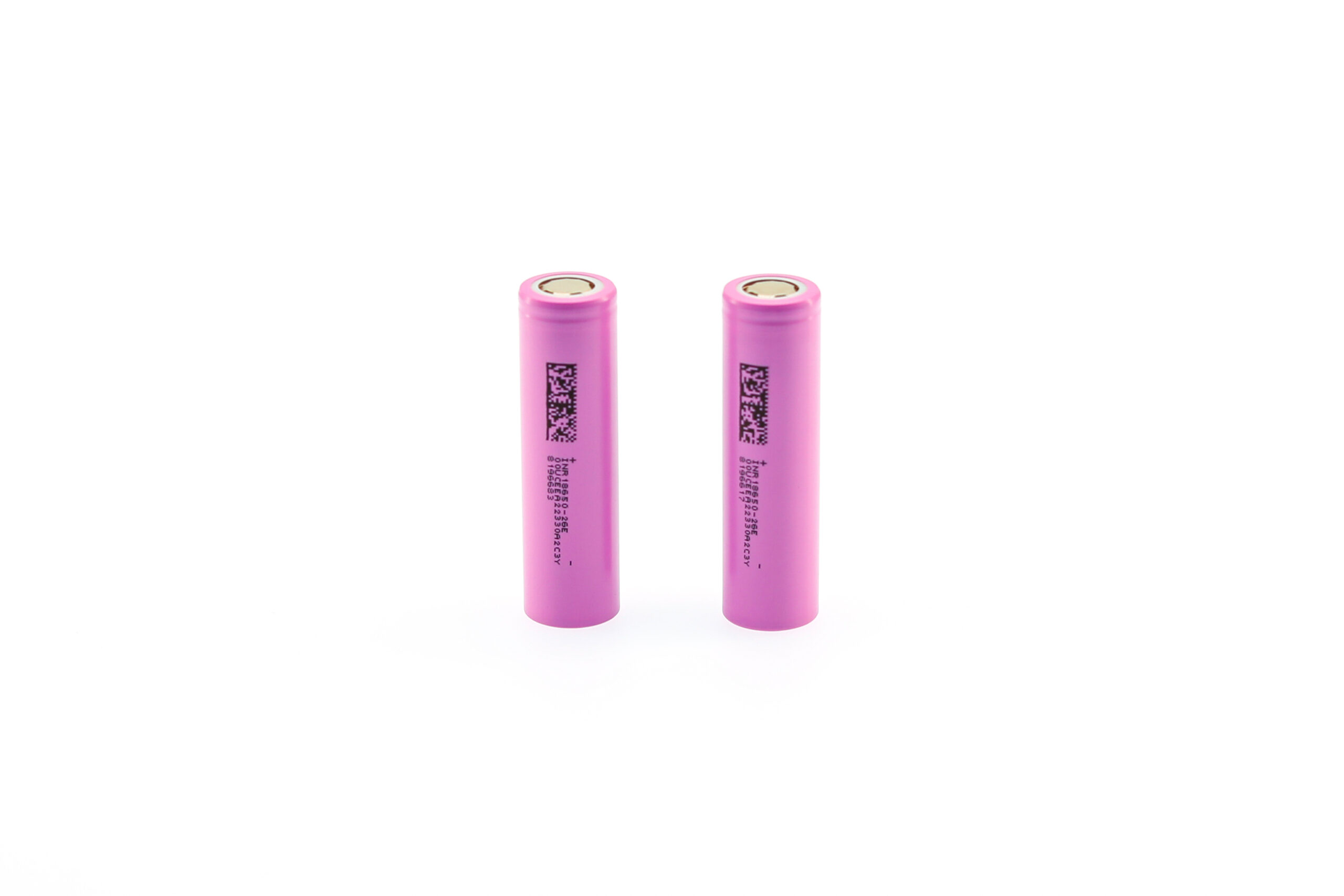
| 18650 Series | IMR/INR | Consumer Electronics, Medical | Ultra-compact design with high removability rating |
| 21700 Series | INR | EVs, Power Tools, E-Bikes | High energy density with integrated thermal release mechanism |
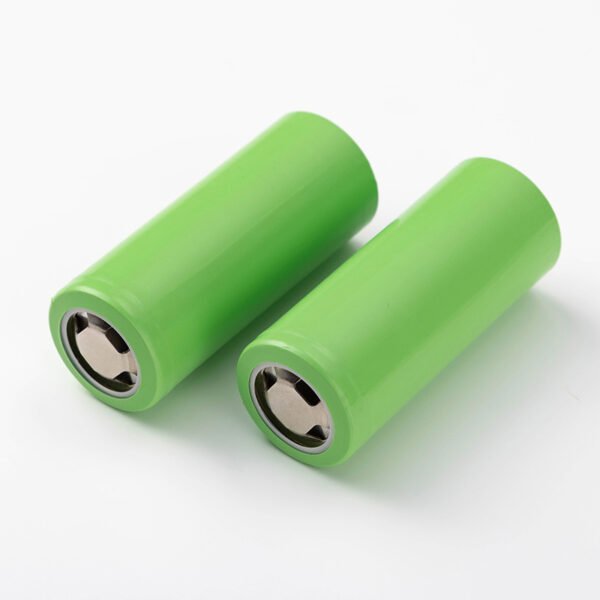
| 32700 Series | IFR | Energy Storage (ESS), UPS | Superior thermal stability and high discharge capability |
The 18650 Series remains the workhorse of portable energy. We have retrofitted this legacy format with modern compliance features, making it the perfect drop-in replacement for existing designs needing an EU-compliant upgrade.
The 21700 Series represents the next generation of energy storage. With a 40% increase in capacity over the 18650, these cells are designed with “Second Life” in mind. Their larger size allows for more sophisticated internal sensors that track degradation, ensuring that when the cell is removed from an electric vehicle, its remaining value is precisely known.
Finally, the 32700 Series is engineered for the heavy-duty demands of grid storage. These cells utilize a Lithium Iron Phosphate (LFP) chemistry variant, which offers an extended cycle life of over 6000 cycles. This longevity is the cornerstone of the “Re-use” economy, as these cells can serve a second life in residential storage systems after their primary stint in utility-scale grids.
Partnering for Compliance
Understanding and implementing the EU Battery Regulation is a complex technical and logistical challenge. It requires a partner who is not just a manufacturer but a co-engineer of the battery system.
At CNS Battery, we don’t just sell cells; we provide Compliance Engineering. Whether you are designing a new Energy Storage System (ESS) or retrofitting an existing power tool line, our team works directly with your engineers to ensure that the mechanical integration of our cells meets the strictest regulatory standards.
We invite you to explore our full range of Cylindrical Battery Cells and discover how our technical solutions can accelerate your path to EU compliance. For specific technical inquiries or to request a sample for testing, please contact our engineering team directly. We are here to ensure your product is not just powerful, but also legally and environmentally sustainable.
Contact Us Today to discuss your specific technical requirements and how our EU-compliant cells can be integrated into your next design.