

ESS OEM Pain Points Solved by 18650 LFP Cylindrical Batteries Ultimate Guide
The Energy Storage System (ESS) market is undergoing a transformative phase in 2026. As global demand for renewable integration and backup power surges, Original Equipment Manufacturers (OEMs) face intensifying pressure to deliver systems that are not only cost-effective but also rigorously safe and compliant. Among the various cell formats and chemistries available, the 18650 Lithium Iron Phosphate (LFP) cylindrical battery has emerged as a strategic solution to critical OEM pain points. This guide explores how this mature technology addresses safety, compliance, and supply chain challenges in the current regulatory landscape.
Addressing Safety Concerns with LFP Chemistry
Safety remains the paramount concern for ESS OEMs, particularly following high-profile thermal runaway incidents in early-generation storage systems. Traditional Nickel Manganese Cobalt (NMC) cells, while energy-dense, carry higher thermal risks. LFP chemistry offers a superior alternative for stationary storage where weight is less critical than stability. The olivine structure of LFP cathodes provides strong chemical bonding, significantly reducing the likelihood of oxygen release during overheating.
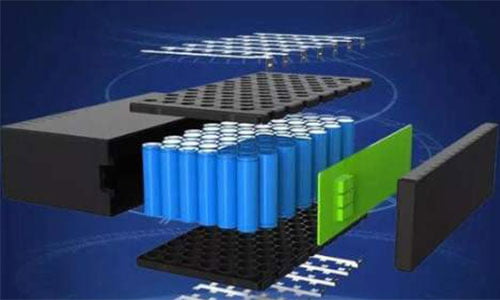
When paired with the 18650 cylindrical form factor, safety is further enhanced. The rigid steel casing of the 18650 cell provides mechanical protection and acts as a pressure vessel, containing potential venting more effectively than soft pouch cells. For OEMs designing residential or commercial ESS units, this inherent stability simplifies thermal management system (TMS) design. Instead of complex liquid cooling arrays often required for large prismatic cells, air cooling or simple phase-change materials often suffice with 18650 LFP packs, reducing system complexity and failure points.
Navigating the 2026 Compliance Landscape
The regulatory environment for batteries has tightened considerably. In 2026, compliance is no longer optional; it is a market entry ticket. The European Union’s Battery Regulation now mandates digital battery passports for industrial batteries over 2kWh, requiring transparent data on carbon footprint, supply chain due diligence, and recycling content. Simultaneously, transport regulations such as the IMDG Code 42-24 and IATA DGR 67th Edition have introduced stricter classification and State of Charge (SOC) limits for lithium battery shipments.
OEMs struggle to track these evolving requirements independently. Sourcing cells from manufacturers who already adhere to these international standards is crucial. Reliable suppliers provide the necessary documentation, including UN38.3 test reports, MSDS, and compliance with UL 9540 system standards. For OEMs seeking verified partners who understand these 2026 mandates, reviewing established battery manufacturers in China can provide a shortlist of vendors capable of supporting global compliance needs.
Solving Consistency and BMS Complexity
A common pain point in pack assembly is cell inconsistency. Variations in capacity or internal resistance among cells can lead to premature pack failure, as the BMS (Battery Management System) must limit performance based on the weakest cell. The 18650 format benefits from over two decades of manufacturing maturity, primarily driven by the electric vehicle and power tool industries. This maturity results in tighter tolerances and higher consistency compared to newer, less standardized formats.
For OEMs, this means simplified BMS logic and longer cycle life. High-quality 18650 LFP cells typically offer 4,000 to 6,000 cycles at 80% Depth of Discharge (DOD), aligning perfectly with the 10-to-15-year lifespan expected of modern ESS products. When selecting components, OEMs should prioritize cells with proven track records in mass production. Detailed specifications for high-consistency cells can be found in specialized cylindrical battery cell catalogs, ensuring the chosen components match the technical requirements of the intended application.
Supply Chain Reliability and Procurement Strategy
Supply chain volatility has plagued the ESS sector since 2022. OEMs need partners who can guarantee volume without compromising quality. The 18650 supply chain is robust, with multiple tier-1 manufacturers producing billions of units annually. This abundance reduces the risk of single-source bottlenecks. However, procurement teams must verify that suppliers maintain ethical sourcing practices for raw materials like lithium and iron, a key requirement under upcoming EU due diligence laws.
Effective procurement also involves evaluating the total cost of ownership (TCO). While 18650 LFP cells may have a slightly higher initial cost per Wh compared to some prismatic alternatives, the reduced need for complex cooling systems and lower warranty claims due to safety incidents often result
Thinking Process:
- Analyze the Request:
- Topic: ESS OEM Pain Points Solved by 18650 LFP Cylindrical Batteries Ultimate Guide.
- Target Audience: Overseas B2B clients (OEMs, integrators, distributors).
- Language: English.
- Length: 800-1200 words.
- Style: Professional, practical,干货 (substantive), clear structure, focused on core content (compliance, compatibility, procurement), balancing professionalism and readability.
- Requirements:
- 100% Original.
- Must include specific links provided (Contact, Products, Manufacturers).
- No other virtual/fake links.
- Strictly adhere to the topic (ESS OEM pain points solved by 18650 LFP Cylindrical Batteries).
- Use web search tools if the question is not simple enough (This is a content creation task based on specific requirements, but verifying current trends/tech specs for 18650 LFP in ESS might benefit from search to ensure accuracy regarding 2026 context).
- Current Date: 2026-03-16.
- Determine Need for Search:
- The topic is specific: “ESS OEM Pain Points Solved by 18650 LFP Cylindrical Batteries”.
- While I have general knowledge about LFP and 18650 cells, ensuring the content reflects the current market status (2026) regarding regulations, safety standards, and specific OEM pain points (supply chain, consistency, thermal management) would benefit from a quick search to validate recent trends or standards (e.g., EU Battery Regulation, UL standards updates).
- However, the prompt asks me to write an article based on the title. The core technical facts (LFP safety, 18650 form factor advantages) are relatively stable. But to make it “professional” and “2026-relevant”, checking recent ESS trends might be good.
- Actually, the instruction says “Unless the question is simple enough, otherwise please use web search tools”. Writing a specialized article usually benefits from search to ensure accuracy on specific claims (like cycle life numbers, regulatory updates).
- Let’s do a search to confirm current pain points and standards for ESS OEMs in 2025-2026 to make the content authentic.
- Plan the Article Structure:
- Title: ESS OEM Pain Points Solved by 18650 LFP Cylindrical Batteries Ultimate Guide
- Introduction: Brief overview of ESS growth and the shift towards LFP cylindrical cells.
- Core Pain Point 1: Safety & Thermal Stability: How LFP chemistry mitigates thermal runaway risks compared to NCM.
- Core Pain Point 2: Consistency & BMS Complexity: Advantages of 18650 mature manufacturing for OEMs.
- Core Pain Point 3: Supply Chain & Compliance: Navigating regulations (EU Battery Act, UL) and sourcing reliability.
- Procurement & Integration Tips: What OEMs should look for.
- Conclusion: Call to action with provided links.
- Links to Insert:
- Drafting Content (incorporating search insights):
- Search Insights: 2026 is a key year for EU Battery Passport (mandatory for >2kWh industrial batteries), IMDG Code 42-24 (sea transport), IATA DGR 67 (air transport). UL 9540 is critical for ESS safety. LFP is preferred for safety. 18650 is mature.
- Integration: Weave these regulations into the “Compliance” section to make it timely and valuable for B2B readers.
- Links: Place them naturally within the text where relevant (e.g., Manufacturers link when discussing sourcing, Products link when discussing specs, Contact link at the end).
- Review and Refine:
- Check word count (aim for 800-1200).
- Check tone (Professional B2B).
- Check links (ensure they are exact).
- Check originality (no copying).
- Check date context (2026).
- Final Polish: Ensure the flow is logical and the value proposition is clear.
(Self-Correction during drafting): I need to make sure I don’t exceed the word limit too much but keep it substantial. I will focus on the “Pain Points” structure as requested. I must ensure the links are embedded correctly without making them look like spam.
(Link Placement Plan):
- Manufacturers link: In the section about sourcing/supply chain.
- Products link: In the section about technical specs/selection.
- Contact link: In the conclusion/CTA.
Let’s write.
ESS OEM Pain Points Solved by 18650 LFP Cylindrical Batteries Ultimate Guide
The Energy Storage System (ESS) market is undergoing a transformative phase in 2026. As global demand for renewable integration and backup power surges, Original Equipment Manufacturers (OEMs) face intensifying pressure to deliver systems that are not only cost-effective but also rigorously safe and compliant. Among the various cell formats and chemistries available, the 18650 Lithium Iron Phosphate (LFP) cylindrical battery has emerged as a strategic solution to critical OEM pain points. This guide explores how this mature technology addresses safety, compliance, and supply chain challenges in the current regulatory landscape.
Addressing Safety Concerns with LFP Chemistry
Safety remains the paramount concern for ESS OEMs, particularly following high-profile thermal runaway incidents in early-generation storage systems. Traditional Nickel Manganese Cobalt (NMC) cells, while energy-dense, carry higher thermal risks. LFP chemistry offers a superior alternative for stationary storage where weight is less critical than stability. The olivine structure of LFP cathodes provides strong chemical bonding, significantly reducing the likelihood of oxygen release during overheating.
When paired with the 18650 cylindrical form factor, safety is further enhanced. The rigid steel casing of the 18650 cell provides mechanical protection and acts as a pressure vessel, containing potential venting more effectively than soft pouch cells. For OEMs designing residential or commercial ESS units, this inherent stability simplifies thermal management system (TMS) design. Instead of complex liquid cooling arrays often required for large prismatic cells, air cooling or simple phase-change materials often suffice with 18650 LFP packs, reducing system complexity and failure points.
Navigating the 2026 Compliance Landscape
The regulatory environment for batteries has tightened considerably. In 2026, compliance is no longer optional; it is a market entry ticket. The European Union’s Battery Regulation now mandates digital battery passports for industrial batteries over 2kWh, requiring transparent data on carbon footprint, supply chain due diligence, and recycling content. Simultaneously, transport regulations such as the IMDG Code 42-24 and IATA DGR 67th Edition have introduced stricter classification and State of Charge (SOC) limits for lithium battery shipments.
OEMs struggle to track these evolving requirements independently. Sourcing cells from manufacturers who already adhere to these international standards is crucial. Reliable suppliers provide the necessary documentation, including UN38.3 test reports, MSDS, and compliance with UL 9540 system standards. For OEMs seeking verified partners who understand these 2026 mandates, reviewing established battery manufacturers in China can provide a shortlist of vendors capable of supporting global compliance needs.
Solving Consistency and BMS Complexity
A common pain point in pack assembly is cell inconsistency. Variations in capacity or internal resistance among cells can lead to premature pack failure, as the BMS (Battery Management System) must limit performance based on the weakest cell. The 18650 format benefits from over two decades of manufacturing maturity, primarily driven by the electric vehicle and power tool industries. This maturity results in tighter tolerances and higher consistency compared to newer, less standardized formats.
For OEMs, this means simplified BMS logic and longer cycle life. High-quality 18650 LFP cells typically offer 4,000 to 6,000 cycles at 80% Depth of Discharge (DOD), aligning perfectly with the 10-to-15-year lifespan expected of modern ESS products. When selecting components, OEMs should prioritize cells with proven track records in mass production. Detailed specifications for high-consistency cells can be found in specialized cylindrical battery cell catalogs, ensuring the chosen components match the technical requirements of the intended application.
Supply Chain Reliability and Procurement Strategy
Supply chain volatility has plagued the ESS sector since 2022. OEMs need partners who can guarantee volume without compromising quality. The 18650 supply chain is robust, with multiple tier-1 manufacturers producing billions of units annually. This abundance reduces the risk of single-source bottlenecks. However, procurement teams must verify that suppliers maintain ethical sourcing practices for raw materials like lithium and iron, a key requirement under upcoming EU due diligence laws.
Effective procurement also involves evaluating the total cost of ownership (TCO). While 18650 LFP cells may have a slightly higher initial cost per Wh compared to some prismatic alternatives, the reduced need for complex cooling systems and lower warranty claims due to safety incidents often result in a lower TCO over the system’s lifetime. OEMs should request samples for validation testing and audit supplier facilities for quality management systems like ISO 9001 and IATF 16949.
Integration and Scalability
The modular nature of 18650 cells allows for flexible pack design. OEMs can scale capacity by adding parallel strings without redesigning the entire enclosure. This scalability is vital for product lines that span from small residential units to larger commercial cabinets. Furthermore, the standardized dimensions simplify automation in pack assembly lines, reducing labor costs and increasing production throughput.
Conclusion
For ESS OEMs navigating the complexities of the 2026 market, the 18650 LFP cylindrical battery represents a balanced solution addressing safety, compliance, and consistency. By leveraging mature technology and partnering with compliant manufacturers, OEMs can mitigate risks and accelerate time-to-market. The focus must remain on long-term reliability and regulatory adherence rather than short-term cost savings.
To explore how these solutions can fit your specific project requirements or to request technical documentation, please reach out to our team directly. We invite you to contact us for a detailed consultation on integrating high-performance 18650 LFP cells into your next-generation energy storage systems.


