ESS OEM Pain Points Solved by 18650 LFP Cylindrical Batteries: Top 5 Problems & Solutions
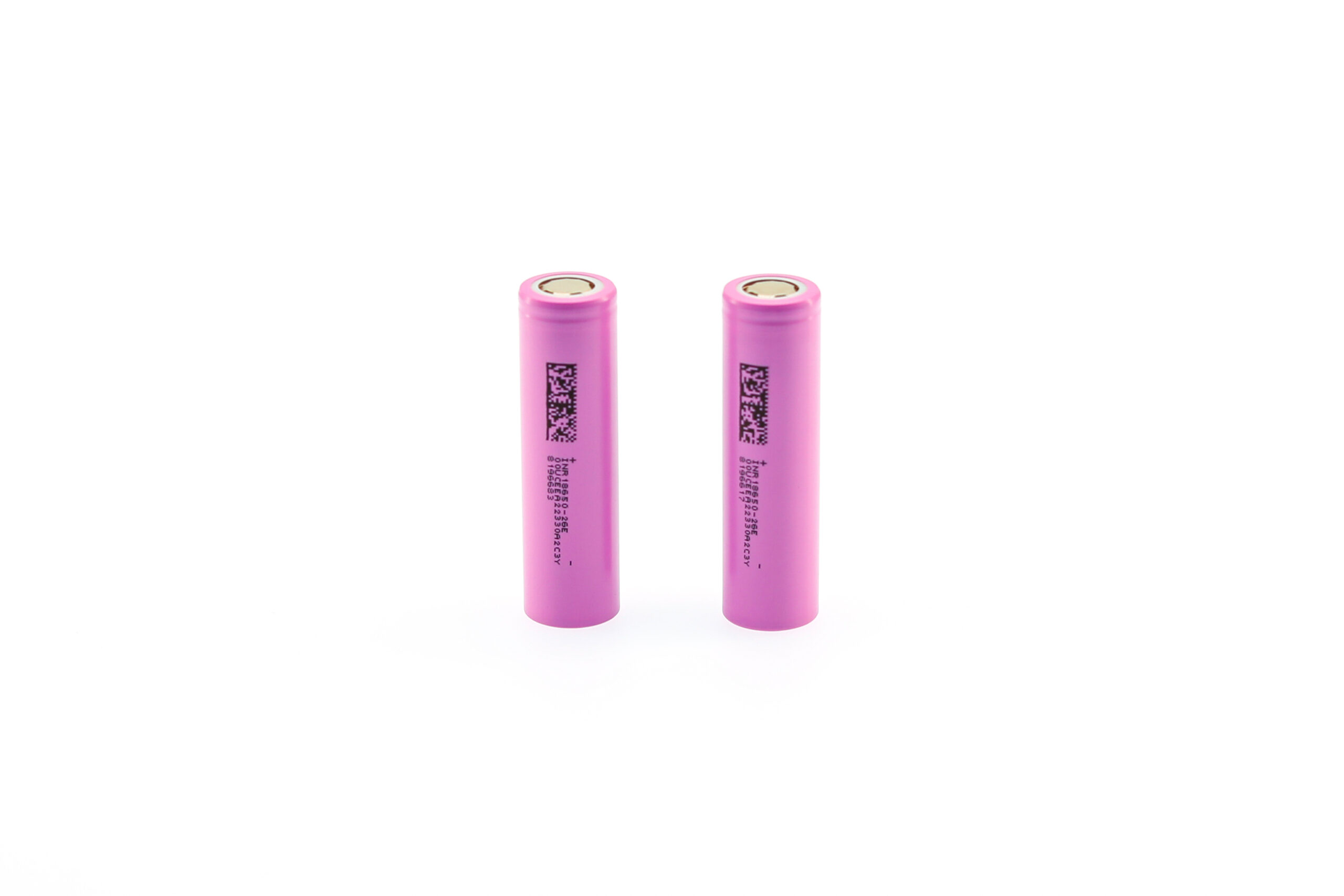
The energy storage system (ESS) market is booming, but Original Equipment Manufacturers (OEMs) face a complex web of challenges when selecting the right battery chemistry and format. While prismatic and pouch cells dominate headlines, many seasoned engineers are rediscovering the robust advantages of 18650 cylindrical batteries, specifically those utilizing Lithium Iron Phosphate (LFP) chemistry.
This article cuts through the marketing hype to address the top 5 pain points ESS OEMs encounter and explains how 18650 LFP cylindrical cells provide a pragmatic solution.
1. The Safety Paradox: High Density vs. Thermal Runaway
The Pain Point:
For ESS applications, especially residential or commercial installations, safety is non-negotiable. OEMs often face a dilemma: high-energy-density NMC (Nickel Manganese Cobalt) batteries offer great performance but come with higher thermal runaway risks. A single fire incident can destroy a brand’s reputation overnight.
The 18650 LFP Solution:
LFP chemistry is inherently safer than traditional cobalt-based lithium-ion batteries. The “Olivine” structure of the LFP cathode is extremely stable. Even under extreme conditions (overcharging, short-circuiting, or physical damage), LFP cells do not release oxygen, which is the primary fuel for thermal runaway fires.
Furthermore, the 18650 cylindrical format adds a mechanical safety layer. The robust steel (or aluminum) casing acts as a pressure vessel, containing any internal gassing or minor venting events. Unlike pouch cells, which can swell and rupture, or prismatic cells, which may leak from welded seams, the 18650 format is designed for containment.
Technical Note: The thermal stability of LFP cells remains high up to 270°C+, significantly reducing the risk of catastrophic failure compared to other chemistries.
2. Supply Chain Instability and Cobalt Dependency
The Pain Point:
Global supply chains are fragile. OEMs relying on NMC batteries are vulnerable to the volatile prices and ethical sourcing issues surrounding Cobalt and Nickel. Geopolitical tensions and mining restrictions can halt production lines instantly.
The 18650 LFP Solution:
LFP batteries eliminate Cobalt and Nickel from the equation. They are composed of Iron and Phosphate—elements that are abundant, cheap, and ethically sourced. This decouples your production costs from the volatility of rare earth metals.
For OEMs looking to future-proof their supply chain, adopting 18650 cylindrical batteries made with LFP chemistry offers price stability. You are no longer at the mercy of mining cartels or fluctuating commodity markets, allowing for more accurate long-term pricing models for your ESS products.
3. Cycle Life vs. Warranty Costs
The Pain Point:
ESS units are expected to last 10-15 years. Standard lithium-ion chemistries degrade significantly over time, leading to warranty claims and high replacement costs. OEMs need a battery that can handle thousands of cycles without significant capacity fade.
The 18650 LFP Solution:
LFP cells are renowned for their longevity. A high-quality CNS 18650 LFP battery can achieve over 3,000 to 5,000 charge-discharge cycles while retaining 80% of its original capacity. This longevity is baked into the chemistry; the crystal structure of LFP does not degrade as rapidly as other lithium-ion variants during ion exchange.
By utilizing 18650 LFP cells, OEMs can offer extended warranties (e.g., 10-year warranties) with confidence. The long cycle life translates directly into a lower Levelized Cost of Storage (LCOS) for the end-user, making your ESS product more competitive in the market.
4. Thermal Management Complexity
The Pain Point:
Managing the temperature of a large battery pack is a major engineering headache. Pouch and prismatic cells often require complex liquid cooling systems or intricate air ducts to prevent hotspots. These systems add weight, cost, and points of failure.
The 18650 LFP Solution:
Cylindrical cells have a distinct geometric advantage. The small size and uniform shape of the 18650 format allow for efficient passive air cooling. The high surface-area-to-volume ratio means heat dissipates more evenly from each cell.
When combined with LFP chemistry—which generates less heat during charge and discharge compared to high-energy NMC cells—the thermal management burden is drastically reduced. Many OEMs find they can design simpler, lighter, and cheaper Battery Management Systems (BMS) and cooling housings when using 18650 LFP cells, accelerating time-to-market.
5. Quality Control and Consistency
The Pain Point:
Inconsistent cell quality leads to “weak links” in a battery pack. If one cell in a series fails, it can bring down the entire system. OEMs struggle with batch-to-batch variations, especially with newer, less standardized formats.
The 18650 LFP Solution:
The 18650 format is the most mature and standardized form factor in lithium-ion history. Automated production lines for 18650 cells are highly refined. Manufacturers like CNS Energy utilize automated production lines to ensure strict quality control.
Because each 18650 cell is an individual, sealed unit, manufacturers can test each cell to destruction before shipping. This “100% testing” protocol ensures that only cells meeting the highest standards for capacity and internal resistance are delivered. For the ESS OEM, this means receiving components with unmatched consistency, simplifying the integration process and reducing field failure rates.
Conclusion: Why Choose 18650 LFP for Your Next ESS Project?
For ESS OEMs, the choice is clear: 18650 LFP cylindrical batteries offer a balanced solution that prioritizes safety, longevity, and supply chain security without sacrificing performance.
If you are looking for a reliable partner to navigate these technical challenges, CNS Battery provides comprehensive cylindrical battery cells and customizable solutions. With a focus on high energy density, long cycle life, and automated production quality, CNS Energy is equipped to support global OEM requirements.
Ready to solve your ESS pain points?
- Explore our full range of Cylindrical Battery Cells: https://cnsbattery.com/products-3/cylindrical-battery-cell/
- Learn more about partnering with a leading Battery Manufacturer in China: https://cnsbattery.com/battery-manufacturers-in-china/
- Contact our sales team for a consultation: https://cnsbattery.com/contact-2/