ESS OEM Pain Points Solved by 18650 LFP Cylindrical Batteries Complete Solution
The energy storage system (ESS) industry faces critical challenges in 2026, with OEMs struggling to balance safety, performance, and regulatory compliance. 18650 LFP cylindrical batteries have emerged as the definitive solution, addressing core pain points while meeting stringent international standards across European Union, North American, and Asian markets. This comprehensive analysis examines how advanced cylindrical cell technology resolves ESS manufacturing obstacles through superior chemistry, validated testing protocols, and geo-specific compliance frameworks.
Critical ESS OEM Pain Points in 2026
Energy storage manufacturers encounter three primary challenges that directly impact market access and operational reliability:
Safety and Thermal Stability Concerns: Traditional NMC/NCA chemistries present thermal runaway risks, particularly in large-scale deployments. ESS OEMs require battery solutions that minimize fire hazards while maintaining performance under extreme conditions.
Regulatory Compliance Complexity: Navigating UN38.3, IEC 62619, UL 1973, and regional certification requirements creates significant delays. Products destined for Germany, California, or Australia must satisfy distinct safety protocols, complicating global distribution strategies.
Lifecycle and Cost Efficiency: Commercial ESS installations demand 10+ year operational lifespans with minimal degradation. OEMs face pressure to reduce total cost of ownership while meeting customer expectations for cycle life exceeding 5,000 charges.
18650 LFP Cylindrical Battery Technical Advantages
Superior Electrochemical Stability
Lithium Iron Phosphate (LiFePO₄) chemistry delivers inherent safety advantages through stable crystal structure. The 3.2V nominal voltage and 3.6V charging cutoff provide conservative operating parameters that significantly reduce thermal stress compared to 3.7V NMC alternatives. This chemistry eliminates cobalt dependency, addressing supply chain vulnerabilities while maintaining 2,000-5,000 cycle life at 80% depth of discharge.
Precision Manufacturing Specifications
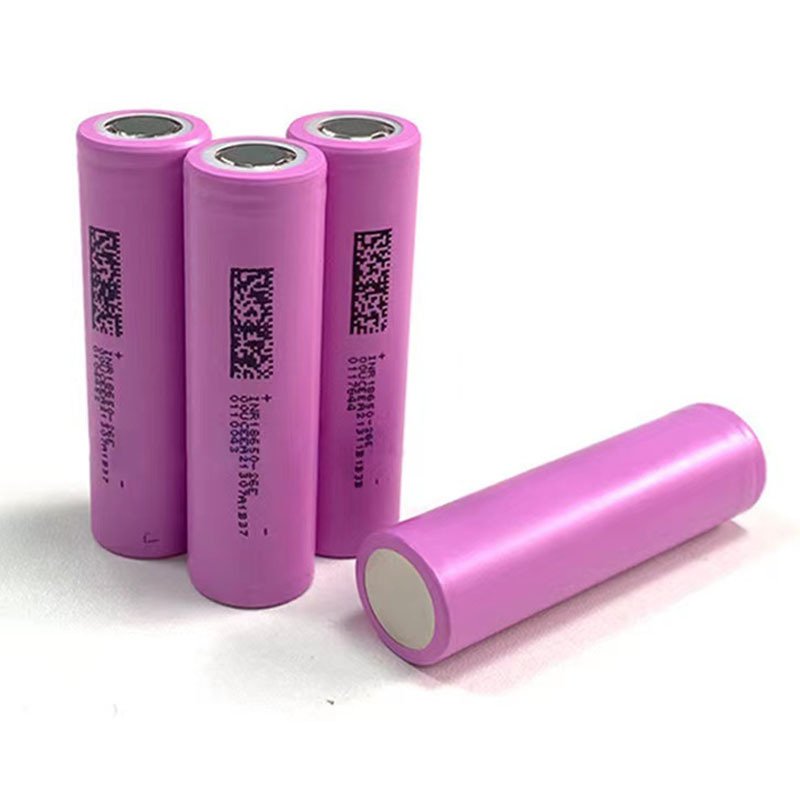
Standard 18650 dimensions (18mm diameter × 65mm height) enable modular pack design with proven thermal management. Key performance parameters include:
- Capacity Range: 1,500-3,500mAh per cell
- Continuous Discharge: 1C-3C rates for ESS applications
- Operating Temperature: -20°C to 60°C with 70%+ capacity retention at extreme lows
- DCR Performance: ≤20mΩ initial AC impedance for efficient power delivery
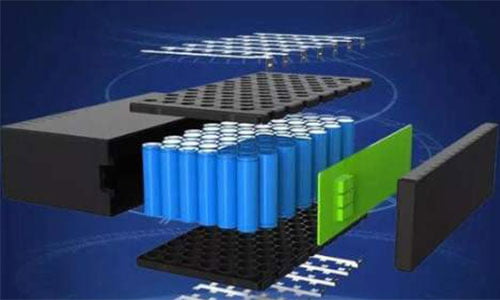
The cylindrical format provides uniform heat distribution, critical for preventing hot spots in densely packed ESS configurations. This geometry facilitates automated assembly while maintaining consistent cell-to-cell performance across large battery banks.
Validated Testing Methodologies
International Safety Certification Framework
Comprehensive testing ensures global market access through standardized protocols:
UN38.3 Transportation Safety: Eight mandatory tests validate battery security during shipping, including altitude simulation (15,000m equivalent), temperature cycling (-40°C to 75°C), vibration, shock, external short circuit, crush, overcharge, and forced discharge. This certification remains mandatory for air freight, ocean shipping, and ground transport across all major trade routes.
IEC 62619 Industrial Application Standard: The 2022 revision establishes safety requirements for secondary lithium cells in stationary ESS deployments. Testing encompasses external short circuit, mechanical abuse, thermal abuse, overcharge protection, and propagation prevention. European markets particularly emphasize IEC 62619 compliance for commercial energy storage installations.
UL 1973 North American Requirements: Fixed energy storage systems targeting United States and Canadian markets must demonstrate compliance with UL 1973 standards. This includes system-level safety evaluation, BMS functional validation, and fire propagation assessment per UL 9540A methodologies.
Performance Validation Protocols
Rigorous testing verifies long-term reliability through:
- Cycle Life Testing: 1C/3C charge-discharge cycles documenting capacity retention at 1,000, 3,000, and 5,000 cycles
- Rate Capability Assessment: 0.2C, 1C, 5C, and 10C discharge curves measuring voltage stability under varying loads
- Environmental Stress Testing: Temperature cycling between -20°C and 55°C with capacity degradation monitoring
- DCR Tracking: Direct current resistance measurements at 100% SOC and 50% SOC throughout lifecycle
CNS Product Technical Barriers and Regional Adaptability
CNS Battery’s 18650 LFP cylindrical solutions incorporate design features specifically engineered for geo-specific compliance and market requirements. The manufacturing platform integrates automated quality control systems that ensure consistent cell matching, critical for large-scale ESS deployments where cell imbalance accelerates pack degradation.
European Market Adaptation: Products meet CE marking requirements through IEC 62619:2022 compliance, with documentation supporting German VDE, French NF, and UK UKCA certifications. The thermal management architecture addresses EU Ecodesign Directive efficiency standards while maintaining operational performance across Mediterranean and Nordic climate zones.
North American Compliance: UL 1973 and UL 9540A testing validates suitability for California Title 24, New York Energy Storage Program, and Federal Investment Tax Credit qualified installations. Manufacturing processes align with Buy American Act supply chain requirements for government procurement opportunities.
Asia-Pacific Certification: Australian CEC approval, Japanese JIS standards, and Chinese GB 36276 compliance enable seamless deployment across APAC energy storage markets. Regional testing laboratories validate performance under tropical humidity and desert temperature extremes.
The complete solution extends beyond cell manufacturing to include BMS integration support, pack design consultation, and certification documentation assistance. This comprehensive approach reduces OEM time-to-market while ensuring regulatory compliance across target regions.
For technical specifications and regional compliance documentation, visit our cylindrical battery cell product page. Engineering teams seeking customization options can explore our battery manufacturers in China capabilities. Direct technical consultations are available through our contact portal.
The 18650 LFP cylindrical battery represents more than incremental improvement—it delivers fundamental risk reduction for ESS OEMs navigating complex global markets. By addressing safety, compliance, and performance simultaneously, this technology enables manufacturers to scale operations with confidence while meeting increasingly stringent regulatory requirements across Europe, North America, and Asia-Pacific regions.