
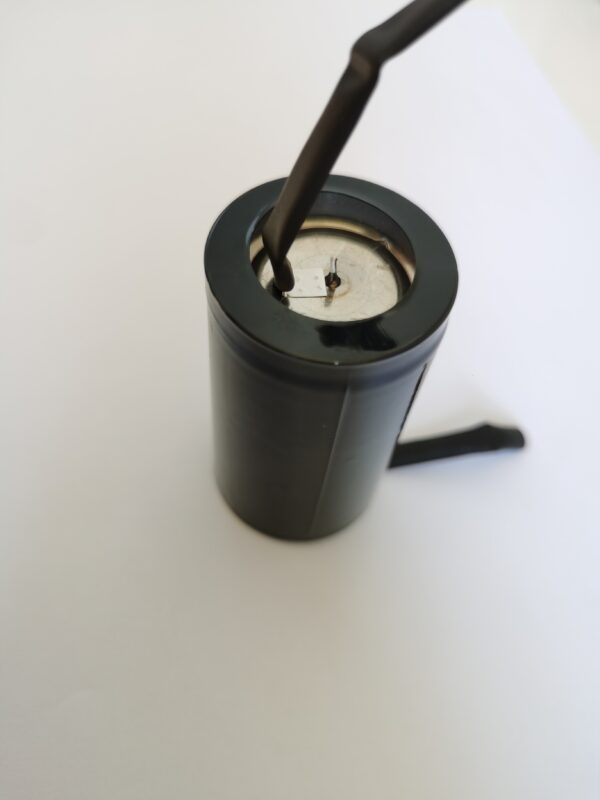
Environmental Monitoring Sensor Battery | Li-SOCl₂ Wide Temp
Powering Critical Infrastructure Across Extreme Conditions
In today’s rapidly expanding IoT ecosystem, environmental monitoring sensors demand power sources that deliver exceptional reliability across diverse geographical regions. From Arctic research stations to desert oil fields, Li-SOCl₂ (Lithium Thionyl Chloride) batteries have emerged as the definitive solution for wide-temperature applications. This comprehensive guide examines why lithium metal primary batteries remain the industry standard for environmental monitoring deployments across North America, Europe, and Asia-Pacific markets.
Understanding Li-SOCl₂ Battery Technology
Lithium thionyl chloride batteries represent the pinnacle of primary battery chemistry for long-term deployments. The electrochemical system utilizes lithium metal as the anode and liquid thionyl chloride as both cathode and electrolyte, delivering a nominal voltage of 3.6V with exceptional energy density reaching up to 500 Wh/kg.
Key Technical Advantages:
- Extended Shelf Life: Self-discharge rates below 1% annually enable 10-15 year operational lifespans
- Wide Temperature Performance: Operational ranges from -55°C to +85°C accommodate extreme environmental conditions
- High Energy Density: Compact form factors support space-constrained sensor housings
- Stable Voltage Profile: Flat discharge curves ensure consistent sensor accuracy throughout battery life
Critical Considerations for Environmental Monitoring Applications
1. Temperature Range Compliance
Environmental sensors deployed across different geographical zones must comply with regional temperature specifications. North American installations require UL certification for hazardous locations, while European deployments need ATEX compliance for explosive atmospheres. Li-SOCl₂ chemistry inherently supports these requirements without additional thermal management systems.
2. Long-Term Reliability Metrics
Remote monitoring stations often operate in inaccessible locations where battery replacement proves cost-prohibitive. Quality lithium primary batteries deliver consistent performance through:
- Predictable discharge characteristics enabling accurate runtime calculations
- Minimal voltage depression under low-current drain conditions
- Resistance to passivation effects through proper cell design
3. Regional Regulatory Alignment
Different markets enforce specific battery transportation and disposal regulations. UN38.3 certification remains mandatory for international shipping across all regions. European RoHS compliance and California Proposition 65 requirements affect product specification decisions for multinational deployments.
Performance Optimization Strategies
Maximizing sensor network uptime requires strategic battery selection aligned with application profiles. Low-drain applications benefiting from Li-SOCl₂ technology include weather stations, water quality monitors, and air pollution sensors drawing microamp-level currents continuously.
Pulse Current Capability: Modern bobbin-type Li-SOCl₂ cells support periodic transmission pulses up to 100mA when paired with hybrid layer capacitors, enabling wireless communication protocols like LoRaWAN and NB-IoT without compromising overall capacity.
Storage Recommendations: Maintain batteries at 20±5°C before deployment to minimize initial passivation. Avoid prolonged exposure above 60°C during warehousing to preserve electrolyte stability.
CNS BATTERY: Your Trusted Partner for Global Deployments
CNS BATTERY specializes in manufacturing premium Li-SOCl₂ primary batteries engineered for environmental monitoring applications across diverse geographical markets. Our production facilities maintain ISO 9001 certification with full traceability supporting regulatory compliance documentation.
Why Choose CNS BATTERY:
- Global Compliance: Products meet UN38.3, IEC 60086-4, and regional safety standards
- Customization Options: Bobbin and spiral-wound configurations available for specific current profiles
- Technical Support: Engineering teams provide application-specific capacity calculations
- Competitive Lead Times: Strategic warehousing in North America and Europe reduces delivery timelines
Our wide-temperature Li-SOCl₂ cells undergo rigorous validation testing including thermal cycling, vibration resistance, and long-term storage assessments. Each production batch includes comprehensive quality documentation supporting audit requirements for critical infrastructure projects.
Making the Right Selection for Your Project
Selecting the appropriate environmental monitoring sensor battery requires careful analysis of current profiles, temperature exposure, and expected deployment duration. Engage with experienced manufacturers who understand regional compliance requirements and can provide application engineering support throughout your project lifecycle.
For detailed technical specifications and regional pricing information, explore our complete primary battery product portfolio. Our engineering team stands ready to support your specific application requirements with customized solutions.
Contact CNS BATTERY today to discuss your environmental monitoring power requirements: https://cnsbattery.com/primary-battery-contact-us/
Optimized for environmental monitoring professionals across United States, Germany, United Kingdom, Australia, and Canada seeking reliable Li-SOCl₂ battery solutions for wide-temperature sensor deployments.
