
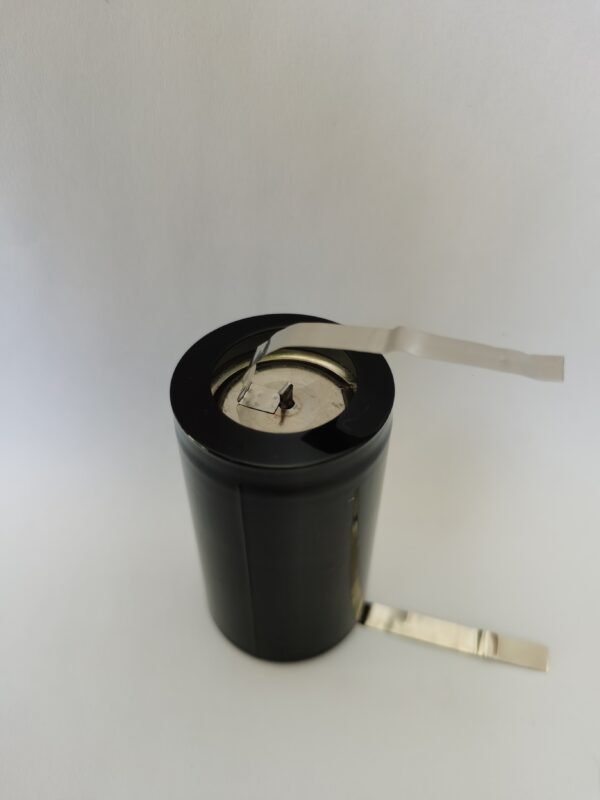
Energizer CR2450/VP Li-MnO₂ Battery Alternative: Technical Analysis for Engineering Procurement
Introduction
The Energizer CR2450/VP lithium-manganese dioxide (Li-MnO₂) primary battery has long been a benchmark in the coin cell market, powering critical applications from automotive key fobs to medical devices. However, engineering teams and technical procurement specialists increasingly seek reliable alternatives that match or exceed performance specifications while ensuring regional compliance. This article provides a comprehensive technical breakdown of CR2450/VP alternatives, focusing on electrochemical parameters, validation methodologies, and geographical regulatory alignment for EU and US markets.
Core Technical Specifications Breakdown
Electrochemical Architecture
The CR2450 designation follows IEC 60086 standards, where “C” indicates lithium metal anode, “R” denotes round coin configuration, and “2450” specifies dimensions (24.5mm diameter × 5.0mm height). The Li-MnO₂ chemistry delivers a nominal voltage of 3.0V with operating ranges typically spanning -20°C to +60°C, though premium alternatives extend to -40°C for extreme environment applications.
Capacity and Discharge Characteristics
While Energizer CR2450/VP offers approximately 240mAh capacity, advanced manufacturing alternatives now achieve 550-620mAh through optimized electrode density and electrolyte formulation. Key performance differentiators include:
- Pulse Current Capability: Quality alternatives sustain 30mA continuous discharge for 1+ hours without significant voltage depression
- Self-Discharge Rate: Premium cells maintain <2% annual self-discharge, retaining 90% capacity after 5-year storage
- Voltage Stability: Flat discharge curves between 3.0V and 2.0V under standard load conditions (0.4mA at 23°C)
Critical Parameter Comparison
| Parameter | Energizer CR2450/VP | Premium Alternative |
|---|---|---|
| Nominal Voltage | 3.0V | 3.0V |
| Capacity | 240mAh | 550-620mAh |
| Operating Temperature | -20°C to +60°C | -40°C to +85°C |
| Annual Self-Discharge | <2% | <1.5% |
| Weight | 6.0-6.2g | 6.2g |
Validation Testing Methodologies
Engineering procurement requires rigorous validation before qualification. Recommended testing protocols include:
1. Capacity Verification Testing
Conduct constant current discharge at 0.4mA to 2.0V cutoff at 23°C per IEC 60086-2. Document actual capacity versus rated specifications across minimum 30-sample batches.
2. Temperature Cycling Validation
Subject batteries to thermal cycling between -40°C and +85°C (10 cycles, 2-hour dwell). Measure open-circuit voltage recovery within 24 hours post-test. Quality alternatives demonstrate <5% capacity loss after cycling.
3. Leakage and Seal Integrity
Perform 60°C/90% RH storage testing for 30 days. Inspect for electrolyte leakage using visual examination and weight loss measurement (<0.5% acceptable).
4. Long-Term Storage Simulation
Accelerated aging at 45°C for 1000 hours correlates to 5-year ambient storage. Verify capacity retention exceeds 85% of initial specifications.
Regional Compliance and Geographic Adaptability
European Union Regulatory Alignment
For EU market deployment, alternatives must comply with:
- EU Battery Directive 2006/66/EC: Heavy metal restrictions (Hg <0.0005%, Cd <0.002%, Pb <0.004%)
- REACH Regulation (EC) No 1907/2006: Substance disclosure requirements
- CE Marking Requirements: Documentation for electromagnetic compatibility when integrated into devices
- RoHS Directive 2011/65/EU: Hazardous substance limitations
Manufacturers serving European engineering procurement should provide complete compliance documentation including test certificates from accredited laboratories (TÜV, SGS, or equivalent).
United States Technical Standards
US market alternatives require alignment with:
- ANSI C18 Series: Primary battery dimensional and performance standards
- UL 1642: Lithium battery safety certification for transport and application
- DOT 49 CFR 173.185: Transportation regulations for lithium cells
- California Proposition 65: Chemical exposure warning requirements
Geographic SEO and Local Search Optimization
Technical buyers increasingly search with location-specific queries such as “CR2450 alternative EU compliant” or “Li-MnO₂ battery US standards.” Manufacturers should optimize product documentation with regional compliance keywords, ensuring discoverability across Google’s geographic search algorithms. This includes maintaining localized technical datasheets, region-specific certification pages, and country-focused contact channels.
Conclusion: Strategic Sourcing Considerations
Selecting an Energizer CR2450/VP alternative requires balancing technical performance, regulatory compliance, and supply chain reliability. Premium Li-MnO₂ alternatives now offer superior capacity (550-620mAh vs. 240mAh) while maintaining full compatibility with existing device designs. Engineering teams should prioritize suppliers providing comprehensive test documentation, regional compliance certificates, and transparent manufacturing processes.
For technical procurement specialists evaluating CR2450 alternatives with verified EU and US compliance, detailed specifications and certification documentation are available through established primary battery manufacturers. Professional consultation ensures proper selection aligned with application requirements and regional regulatory frameworks.
Contact for Technical Specifications: https://cnsbattery.com/primary-battery-contact-us/
Explore Primary Battery Solutions: https://cnsbattery.com/primary-battery/
This technical analysis serves engineering procurement decision-making for CR2450/VP Li-MnO₂ battery alternatives across global markets. All specifications should be verified against current manufacturer datasheets and regional regulatory requirements before final qualification.
