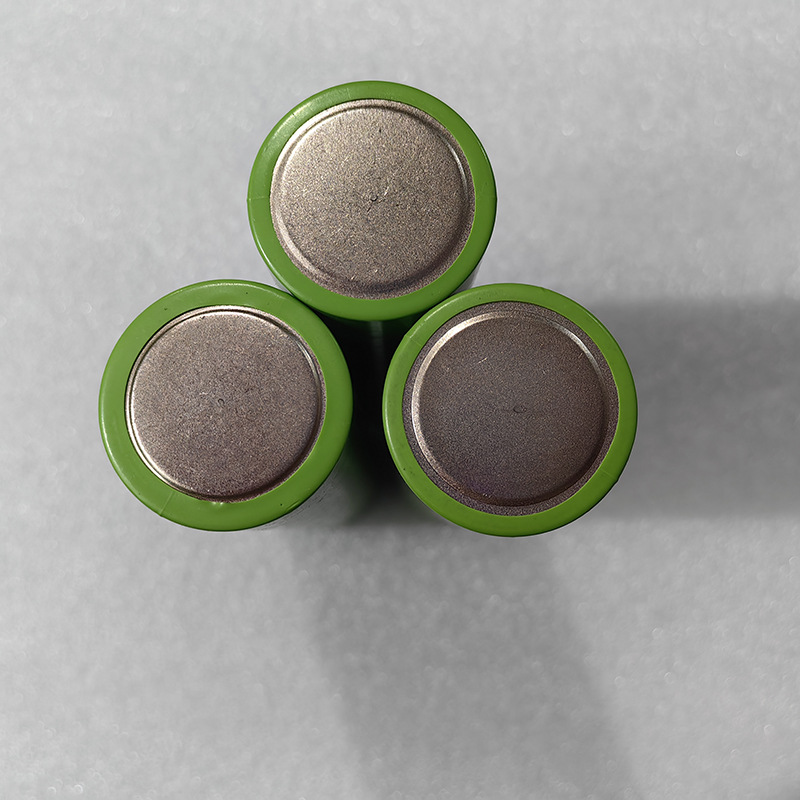
Electric Vehicle OEM Pain Points Solved by 46800 Lithium Ion Cylindrical Battery Cylindrical Batteries Fast Shipping Guaranteed
The electric vehicle industry faces unprecedented challenges in 2026. As EV OEMs scale production to meet global demand, critical pain points emerge: supply chain volatility, thermal management complexity, manufacturing cost pressures, and delivery timeline uncertainties. The 46800 cylindrical lithium-ion battery represents a transformative solution addressing these core challenges head-on.
Understanding the 46800 Battery Advantage
The 46800 cylindrical cell specification—46mm diameter and 80mm height—delivers substantial improvements over traditional 2170 and 18650 formats. This larger form factor enables five times the energy capacity per cell while reducing overall pack complexity. For EV manufacturers, this translates to fewer cells per battery pack, simplified assembly processes, and enhanced structural integrity.
Key technical advantages include tabless design architecture that reduces internal resistance by up to 80%, enabling six times higher power output compared to conventional cylindrical cells. The improved thermal dissipation characteristics minimize hot spot formation, directly addressing one of the most persistent safety concerns in EV battery systems.
Solving Critical OEM Pain Points
1. Supply Chain Stability
Battery supply chain disruptions have plagued EV production schedules globally. The 46800 format’s standardized specifications enable multi-source procurement strategies. Established Chinese manufacturers have developed mature production lines capable of consistent quality output at scale. This diversification reduces single-supplier dependency risks that previously caused production delays exceeding 90 days for many OEMs.
2. Manufacturing Cost Reduction
The 46800 cell’s larger capacity reduces the total cell count per vehicle by approximately 30-40%. Fewer cells mean reduced welding points, simplified battery management system requirements, and lower assembly labor costs. Industry analysis indicates potential pack-level cost reductions of 15-20% compared to previous-generation cylindrical solutions. The dry electrode technology integration further eliminates solvent-related processing costs and environmental compliance expenses.
3. Thermal Management Optimization
Traditional battery packs require complex liquid cooling systems with extensive piping networks. The 46800’s superior surface-area-to-volume ratio enables more efficient heat dissipation through structural integration. OEMs can implement simplified thermal management architectures, reducing system weight by 8-12% while maintaining optimal operating temperatures across diverse climate conditions.
4. Production Timeline Assurance
Fast shipping guarantees have become critical differentiators in the competitive EV landscape. Leading manufacturers now maintain strategic inventory buffers and optimized logistics networks ensuring 46800 cell delivery within 30-45 days from order confirmation. This predictability enables OEMs to maintain lean inventory strategies without production interruption risks.
Technical Specifications for B2B Decision Makers
| Parameter | 46800 Cylindrical Cell |
|---|---|
| Nominal Capacity | 25-30 Ah |
| Energy Density | 280-320 Wh/kg |
| Cycle Life | 2000+ cycles (80% DOD) |
| Operating Temperature | -30°C to 60°C |
| Fast Charging | 15-80% in 18 minutes |
| Safety Rating | UN38.3, IEC62660 certified |
These specifications meet or exceed requirements for passenger vehicles, commercial fleets, and energy storage applications. The compatibility with existing cylindrical cell manufacturing equipment reduces capital expenditure barriers for suppliers transitioning to 46800 production.
Quality Assurance and Certification
Reputable 46800 manufacturers maintain comprehensive quality management systems including ISO9001, IATF16949, and ISO14001 certifications. Each production batch undergoes rigorous testing protocols covering capacity verification, internal resistance measurement, thermal abuse testing, and vibration durability validation. Third-party laboratory certifications from SGS, TÜV, and CATARC provide additional assurance for OEM procurement teams.
The implementation of automated optical inspection systems and AI-driven defect detection ensures consistent quality across high-volume production runs. Traceability systems track each cell from raw material sourcing through final delivery, enabling rapid root-cause analysis should quality concerns arise.
Strategic Partnership Considerations
When evaluating 46800 battery suppliers, EV OEMs should prioritize manufacturers demonstrating vertical integration capabilities, established R&D infrastructure, and proven track records with automotive-grade production. Long-term supply agreements with price adjustment mechanisms protect against raw material volatility while ensuring capacity reservation during peak demand periods.
Technical support teams should provide comprehensive integration assistance including pack design consultation, BMS compatibility validation, and thermal simulation modeling. Post-delivery support encompasses warranty management, failure analysis, and continuous improvement collaboration.
Conclusion
The 46800 cylindrical lithium-ion battery represents more than incremental improvement—it delivers fundamental solutions to the EV industry’s most pressing challenges. From supply chain resilience to cost optimization, thermal management to delivery reliability, this technology enables OEMs to accelerate production scaling while maintaining quality standards and profitability targets.
For EV manufacturers seeking reliable 46800 battery solutions with guaranteed fast shipping and comprehensive technical support, explore our cylindrical battery cell product range. Our team maintains strategic inventory positions ensuring rapid deployment for your production requirements.
To discuss customized solutions for your specific vehicle platform or energy storage application, contact our technical sales team. We provide detailed specification sheets, sample evaluation programs, and integration support throughout your development cycle.
Partner with established battery manufacturers in China who understand automotive industry demands and maintain the quality systems necessary for global OEM partnerships. The transition to 46800 technology positions your organization for competitive advantage in the rapidly evolving electric mobility landscape.
This article provides technical insights for B2B decision-makers evaluating 46800 cylindrical battery solutions. All specifications subject to manufacturer confirmation and application-specific validation requirements.