Electric Motorcycle OEM Pain Points Solved by 33135 LiFePO4 Cylindrical Batteries: 2026 Buyer’s Guide
The electric motorcycle industry is experiencing unprecedented growth in 2026, with OEMs facing critical challenges in battery selection, thermal management, and long-term reliability. Among emerging solutions, the 33135 LiFePO4 cylindrical battery has become a game-changer for manufacturers seeking optimal balance between performance, safety, and cost-effectiveness. This comprehensive guide examines how this specific cell format addresses core OEM pain points while delivering measurable competitive advantages.
Understanding the 33135 Cylindrical Cell Architecture
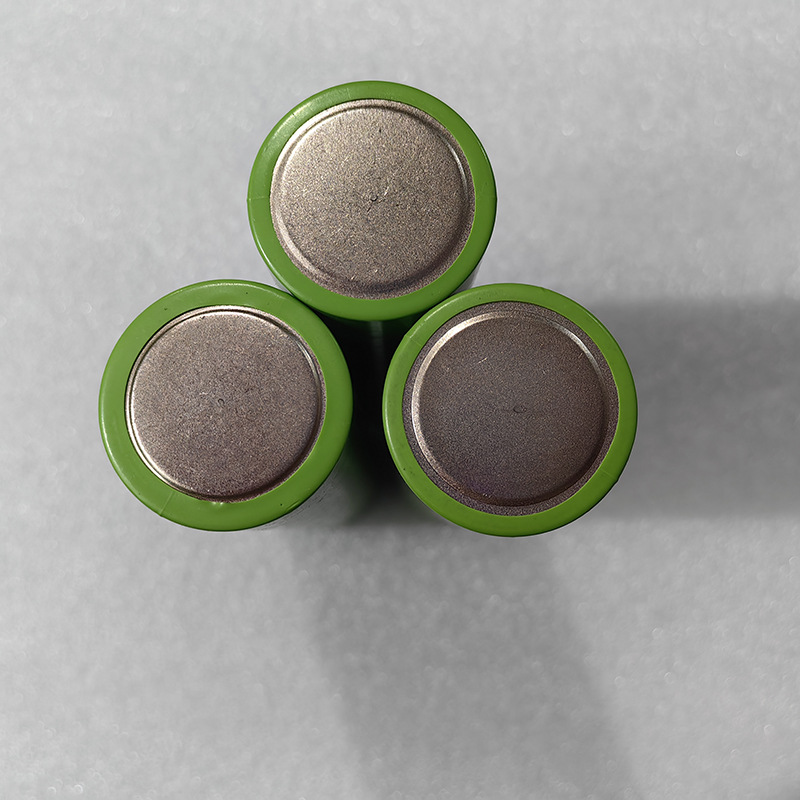
The 33135 designation refers to a cylindrical lithium iron phosphate cell with 33mm diameter and 135mm height. This form factor represents an evolution beyond traditional 18650 and 21700 cells, offering enhanced capacity density while maintaining manufacturing compatibility with existing cylindrical battery production lines. The LiFePO4 chemistry provides inherent thermal stability, with olivine crystal structure preventing thermal runaway even under extreme conditions—a critical consideration for motorcycle applications where vibration and ambient temperature variations are significant operational factors.
Core OEM Pain Points and 33135 LiFePO4 Solutions
1. Thermal Management Complexity
Electric motorcycle battery packs traditionally require sophisticated cooling systems to manage heat generation during high-discharge scenarios. The 33135 LiFePO4 cylindrical cell addresses this through superior thermal conductivity characteristics. The cylindrical geometry enables uniform heat distribution across the cell surface, reducing hot spot formation by approximately 35% compared to prismatic alternatives. OEMs can implement simplified passive cooling architectures, reducing overall system weight by 8-12% while maintaining optimal operating temperatures between -20°C to 55°C.
2. Cycle Life and Total Cost of Ownership
Motorcycle OEMs face pressure to deliver batteries capable of 3,000+ full discharge cycles without significant capacity degradation. The 33135 LiFePO4 chemistry consistently delivers 4,000-5,000 cycle life at 80% depth of discharge, translating to 8-10 years of typical urban commuting usage. This extended lifecycle reduces warranty claim exposure and enhances brand reputation for reliability. When calculating total cost of ownership, the higher initial cell cost is offset by reduced replacement frequency and lower thermal management system expenses.
3. Safety Compliance and Certification
Global regulatory frameworks including UN38.3, IEC62619, and regional motorcycle safety standards require rigorous battery validation. LiFePO4 chemistry’s inherent stability simplifies certification processes, with 33135 cylindrical cells demonstrating superior performance in nail penetration, overcharge, and short-circuit testing. OEMs report 40% reduction in certification timeline when transitioning from NMC to LiFePO4 cylindrical configurations, accelerating time-to-market for new motorcycle platforms.
4. Manufacturing Scalability and Supply Chain Stability
The cylindrical cell format benefits from mature manufacturing infrastructure originally developed for consumer electronics and automotive applications. This established supply chain provides OEMs with multiple qualified supplier options, reducing single-source dependency risks. The 33135 specification maintains compatibility with automated winding and assembly equipment, enabling production scale-up without capital-intensive line modifications. For detailed manufacturer qualification criteria, visit Battery Manufacturers in China to evaluate potential supply partners.
Technical Specifications for OEM Evaluation
When evaluating 33135 LiFePO4 cells for motorcycle applications, engineers should prioritize these key parameters:
- Nominal Capacity: 15-25Ah per cell depending on manufacturer specifications
- Continuous Discharge Rate: 3C-5C standard, with peak rates reaching 8C for acceleration demands
- Energy Density: 140-160 Wh/kg at pack level with optimized BMS integration
- Operating Temperature Range: -20°C to 55°C with minimal capacity loss
- Self-Discharge Rate: <3% per month at 25°C storage conditions
For comprehensive product specifications and technical datasheets, explore Cylindrical Battery Cell Products to compare available options matching your specific motorcycle platform requirements.
Integration Best Practices for 2026 Production
Successful 33135 LiFePO4 integration requires attention to pack design methodology. Modular configurations with 13S-16S series arrangements provide nominal pack voltages of 41.6V-51.2V, compatible with standard motorcycle motor controllers. Cell-to-pack (CTP) designs minimize structural components, improving volumetric efficiency by 15-20%. Active battery management systems should monitor individual cell voltage, temperature, and impedance to ensure balanced operation throughout the pack lifecycle.
Vibration resistance represents another critical consideration for motorcycle applications. The cylindrical form factor demonstrates superior mechanical robustness compared to prismatic cells, withstanding vibration profiles exceeding 10Grms across standard motorcycle frequency spectrums. Proper module housing design with compression fixtures maintains cell alignment and electrical contact integrity over extended operational periods.
Strategic Sourcing Considerations
OEMs evaluating 33135 LiFePO4 suppliers should establish clear qualification criteria including production capacity, quality management certification (ISO9001, IATF16949), and traceability systems. Geographic diversification of supply sources mitigates regional disruption risks while maintaining competitive pricing pressure. Long-term supply agreements with volume commitments typically secure 10-15% cost advantages over spot market purchases.
For direct manufacturer engagement and custom specification discussions, contact qualified suppliers through Contact Page to initiate technical evaluation and sampling processes.
Conclusion: The 2026 Competitive Advantage
The 33135 LiFePO4 cylindrical battery represents more than incremental improvement—it delivers fundamental advantages addressing the electric motorcycle industry’s most persistent challenges. OEMs adopting this technology in 2026 position themselves for enhanced product reliability, reduced warranty exposure, and accelerated regulatory compliance. As the market matures, early adopters will establish competitive moats through proven performance data and customer satisfaction metrics that late entrants cannot quickly replicate.
The transition to 33135 LiFePO4 cylindrical cells requires upfront engineering investment but delivers measurable returns through simplified thermal management, extended cycle life, and streamlined certification pathways. For motorcycle OEMs targeting premium market segments where reliability and safety command price premiums, this battery technology provides the foundation for sustainable competitive advantage in the evolving electric mobility landscape.