
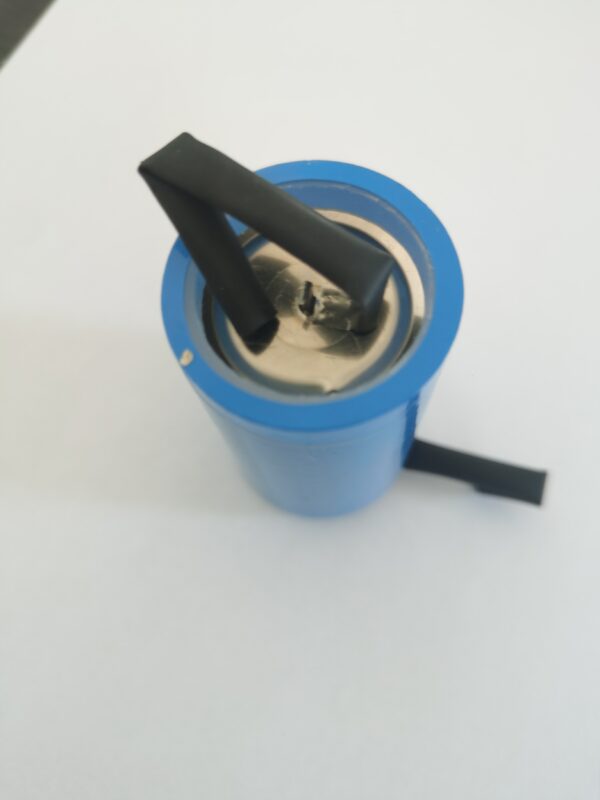
EaglePicher LMS200 Li-SO₂ Marine Battery Alternative: A Comprehensive Technical Guide
Introduction
The EaglePicher LMS200 lithium-sulfur dioxide (Li-SO₂) battery has long been a standard choice for marine applications, particularly in emergency lighting, navigation systems, and backup power solutions. However, as technology evolves and supply chain considerations become increasingly critical, marine engineers and technical procurement specialists are actively seeking reliable alternatives. This article examines viable replacement options for the LMS200, explores the underlying Li-SO₂ chemistry, and provides actionable guidance for battery selection in demanding maritime environments.
Understanding Li-SO₂ Battery Technology
Lithium-sulfur dioxide batteries represent a mature primary (non-rechargeable) lithium chemistry that has served industrial and marine applications for over four decades. The fundamental electrochemical reaction involves lithium metal as the anode and liquid sulfur dioxide as both cathode active material and electrolyte solvent.
Key Technical Characteristics:
- Nominal Voltage: 3.0V per cell
- Operating Temperature Range: -55°C to +70°C
- Energy Density: Approximately 250-300 Wh/kg
- Shelf Life: 10+ years under proper storage conditions
- Self-Discharge Rate: Less than 1% per year at ambient temperature
The Li-SO₂ chemistry excels in high-drain pulse applications and maintains stable voltage output throughout most of its discharge curve. This makes it particularly suitable for marine emergency systems that must activate reliably after extended dormant periods.
Critical Considerations for LMS200 Replacement
When evaluating alternatives to the EaglePicher LMS200, marine specification professionals should prioritize the following parameters:
1. Electrical Compatibility
Any replacement battery must match the LMS200’s electrical specifications precisely. This includes nominal voltage (typically 3.0V), capacity ratings, and maximum continuous/pulse discharge currents. Voltage mismatch can compromise equipment performance or trigger protection circuits unnecessarily.
2. Physical Dimensions and Terminal Configuration
Marine equipment housings are often designed with tight tolerances. Alternative batteries must conform to the original form factor, including length, diameter, and terminal positioning. Even minor dimensional variations can prevent proper installation in sealed compartments.
3. Environmental Certifications
Marine applications demand batteries with appropriate certifications such as ABS (American Bureau of Shipping), DNV, or equivalent maritime classification society approvals. Temperature resistance, vibration tolerance, and salt-spray corrosion resistance are non-negotiable requirements.
4. Safety and Transportation Compliance
Li-SO₂ batteries fall under UN 3090 classification for lithium primary batteries. Ensure any alternative complies with IMDG Code requirements for maritime transport and includes proper documentation for international shipping.
Evaluating Alternative Suppliers
The global primary battery market offers several manufacturers capable of producing Li-SO₂ cells meeting LMS200 specifications. When assessing potential suppliers, consider:
- Manufacturing Track Record: Minimum 10 years in marine/industrial battery production
- Quality Management: ISO 9001 certification and documented testing protocols
- Technical Support: Availability of engineering consultation for application-specific requirements
- Supply Chain Stability: Demonstrated capacity for consistent production and delivery
For detailed product specifications and technical consultation regarding Li-SO₂ marine battery alternatives, visit our primary battery product page. Our engineering team can provide cross-reference documentation and application-specific recommendations.
Installation and Maintenance Best Practices
Proper installation significantly impacts battery performance and longevity in marine environments:
- Storage Conditions: Maintain batteries at 15-25°C with relative humidity below 60% before installation
- Installation Timing: Install batteries as close to commissioning as possible to minimize pre-service aging
- Terminal Protection: Apply dielectric grease to terminals to prevent corrosion in salt-air environments
- Replacement Scheduling: Implement proactive replacement programs based on manufacturer shelf-life recommendations rather than waiting for failure
Cost-Benefit Analysis
While initial unit cost is important, total cost of ownership (TCO) provides a more accurate comparison metric. Factor in:
- Expected service life in application
- Replacement frequency and labor costs
- Risk of equipment downtime due to battery failure
- Warranty terms and supplier support availability
Premium alternatives may command 15-25% higher unit costs but deliver superior reliability and extended service intervals, ultimately reducing TCO for critical marine systems.
Conclusion
Finding a suitable EaglePicher LMS200 Li-SO₂ marine battery alternative requires careful technical evaluation beyond simple specification matching. Understanding the underlying Li-SO₂ chemistry, prioritizing maritime certifications, and selecting established suppliers with proven track records are essential steps in the qualification process. Marine engineers and procurement specialists should request sample testing, verify certifications independently, and establish clear performance benchmarks before committing to large-scale deployments.
For comprehensive technical support and verified Li-SO₂ battery solutions meeting marine application requirements, contact our specialist team through our contact page. We provide detailed cross-reference documentation, application engineering support, and certification verification to ensure seamless integration with your existing marine systems.
