E-bike OEM Pain Points Solved by 21700 Li-ion Cylindrical Batteries Wholesale Bulk MOQ
The electric bicycle industry continues its explosive global expansion, with OEM manufacturers facing unprecedented pressure to deliver reliable, cost-effective battery solutions. Among the critical challenges plaguing e-bike production, battery procurement stands out as a primary bottleneck. The adoption of 21700 lithium-ion cylindrical batteries through wholesale bulk MOQ arrangements has emerged as a strategic solution, addressing multiple pain points simultaneously while optimizing supply chain efficiency and product performance.
Understanding the 21700 Battery Advantage
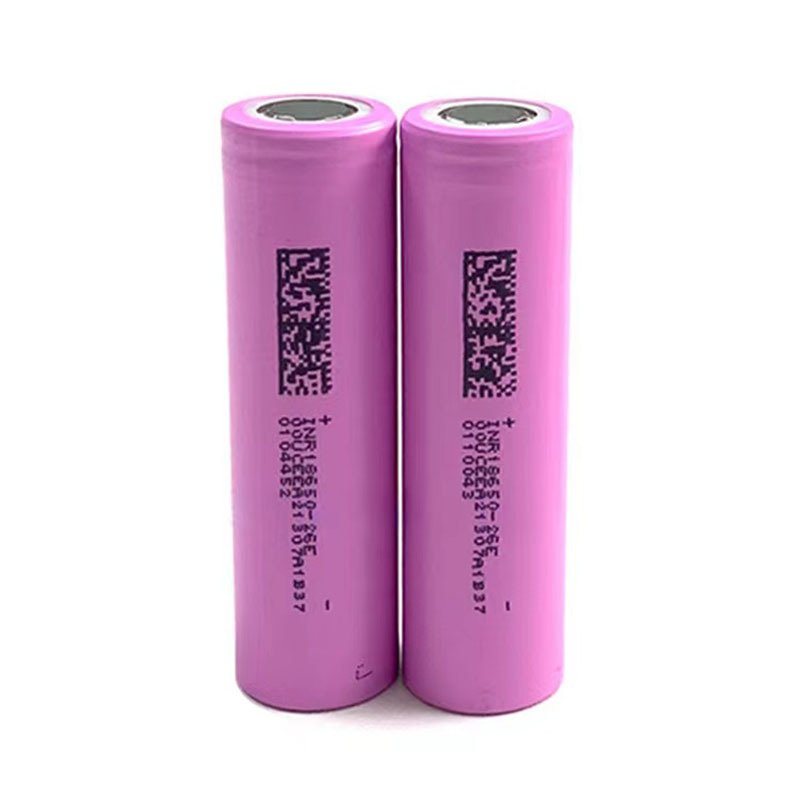
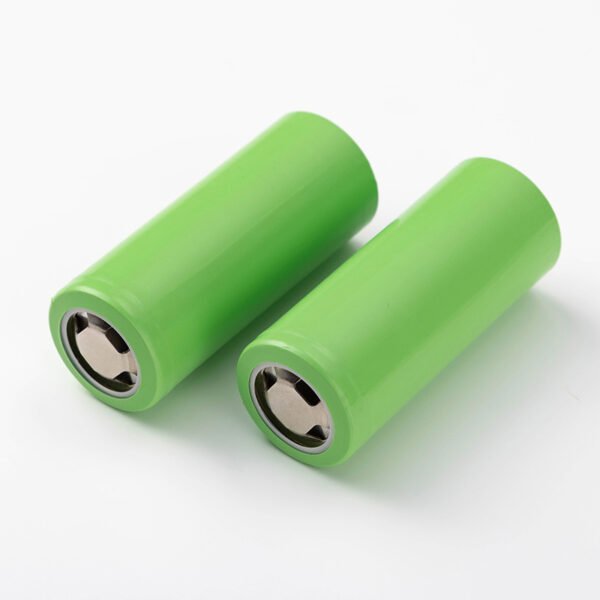
The 21700 cylindrical cell represents a significant evolution from its predecessor, the 18650 format. With dimensions of 21mm in diameter and 70mm in length, this form factor delivers approximately 35% more capacity while maintaining compatible manufacturing processes. For e-bike OEMs, this translates directly to extended range capabilities without substantial redesign costs. The cylindrical geometry offers superior thermal management characteristics, with uniform heat dissipation patterns that enhance safety profiles during high-discharge cycling conditions typical in electric bicycle applications.
Pain Point #1: Inconsistent Cell Quality and Performance Variance
One of the most persistent challenges for e-bike manufacturers involves maintaining consistent battery pack performance across production batches. When sourcing cells from multiple suppliers or dealing with insufficient quality control protocols, OEMs experience significant variance in capacity, internal resistance, and cycle life. This inconsistency forces manufacturers to implement costly sorting procedures and increases warranty claim rates.
Wholesale bulk MOQ arrangements with established manufacturers ensure standardized production runs with rigorous quality certification. Reputable suppliers implement comprehensive testing protocols including capacity grading, impedance matching, and accelerated aging validation. This consistency reduces pack assembly complexity and minimizes performance degradation across the battery system lifecycle. Professional manufacturers maintain ISO 9001 certification and provide detailed test reports for each production batch, enabling OEMs to maintain predictable product specifications.
Pain Point #2: Supply Chain Volatility and Lead Time Uncertainty
The global lithium-ion supply chain has experienced significant disruption over recent years, with raw material price fluctuations and geopolitical tensions creating procurement instability. E-bike OEMs operating with fragmented supplier networks face unpredictable lead times that complicate production planning and inventory management. Small order quantities often receive lower priority allocation during supply constraints, resulting in production delays.
Bulk wholesale MOQ commitments establish priority supply relationships that provide meaningful lead time guarantees. Manufacturers can allocate dedicated production capacity to committed volume partners, creating supply chain resilience. This arrangement enables accurate production scheduling and reduces the risk of inventory shortages during peak demand periods. Strategic partnerships with established Chinese battery manufacturers offer additional advantages through vertically integrated supply chains that control raw material sourcing through final cell assembly. Learn more about reliable battery manufacturers in China that can support your production requirements.
Pain Point #3: Cost Efficiency and Margin Pressure
E-bike market competition has intensified dramatically, with price sensitivity increasing across all consumer segments. OEMs face continuous pressure to reduce battery pack costs while maintaining or improving performance specifications. Small quantity purchases carry significant price premiums that erode already thin profit margins. Additionally, fragmented procurement prevents manufacturers from leveraging volume-based pricing tiers.
Wholesale bulk MOQ arrangements unlock substantial cost advantages through economies of scale. Cell pricing decreases progressively with volume commitments, often achieving 15-25% cost reduction compared to spot market purchases. Beyond unit pricing, bulk arrangements reduce transaction costs, simplify logistics coordination, and minimize quality inspection overhead. The 21700 format specifically offers superior energy density per dollar compared to alternative chemistries, enabling competitive product pricing without sacrificing range or performance specifications. Explore our comprehensive cylindrical battery cell options designed for e-bike applications.
Pain Point #4: Technical Support and Customization Limitations
Standard off-the-shelf battery solutions rarely align perfectly with specific e-bike design requirements. OEMs often need customized BMS integration, specific discharge rate capabilities, or unique form factor adaptations. Working with distributors or small-scale suppliers typically limits access to engineering support and customization options, forcing manufacturers to compromise on design optimization.
Established wholesale partners provide dedicated technical support teams capable of collaborating on pack design optimization. This includes BMS communication protocol integration, thermal management system design, and mechanical integration support. Manufacturers can request specific capacity grades, discharge rate modifications, and custom labeling requirements that align with brand specifications. This collaborative approach accelerates product development cycles and reduces time-to-market for new e-bike models.
Implementation Considerations for OEMs
Transitioning to bulk wholesale 21700 battery procurement requires careful planning and partner evaluation. OEMs should assess manufacturer certifications including UN38.3 transportation compliance, IEC 62133 safety standards, and relevant regional certifications for target markets. Production capacity verification ensures suppliers can fulfill committed volumes without quality compromise. Financial stability assessment protects against supplier disruption risks that could interrupt production schedules.
Minimum order quantities typically range from 10,000 to 50,000 cells depending on manufacturer capabilities and negotiation terms. While this represents significant inventory commitment, the cost advantages and supply security benefits substantially outweigh holding costs for established manufacturers with predictable production volumes. Payment terms, delivery schedules, and quality guarantee provisions should be clearly documented in supply agreements.
Conclusion
The e-bike industry’s continued growth depends on manufacturers’ ability to solve persistent battery procurement challenges efficiently. 21700 lithium-ion cylindrical batteries purchased through wholesale bulk MOQ arrangements address quality consistency, supply chain stability, cost efficiency, and technical support requirements simultaneously. OEMs that establish strategic partnerships with qualified manufacturers position themselves for sustainable competitive advantage in an increasingly crowded marketplace.
For manufacturers seeking reliable battery supply partnerships, professional consultation with established suppliers provides clarity on available options and implementation pathways. Contact our team at https://cnsbattery.com/contact-2/ to discuss your specific e-bike battery requirements and explore how bulk 21700 cell procurement can optimize your production operations. The transition to strategic wholesale battery sourcing represents more than a procurement decision—it constitutes a fundamental competitive positioning strategy for serious e-bike manufacturers committed to long-term market success.