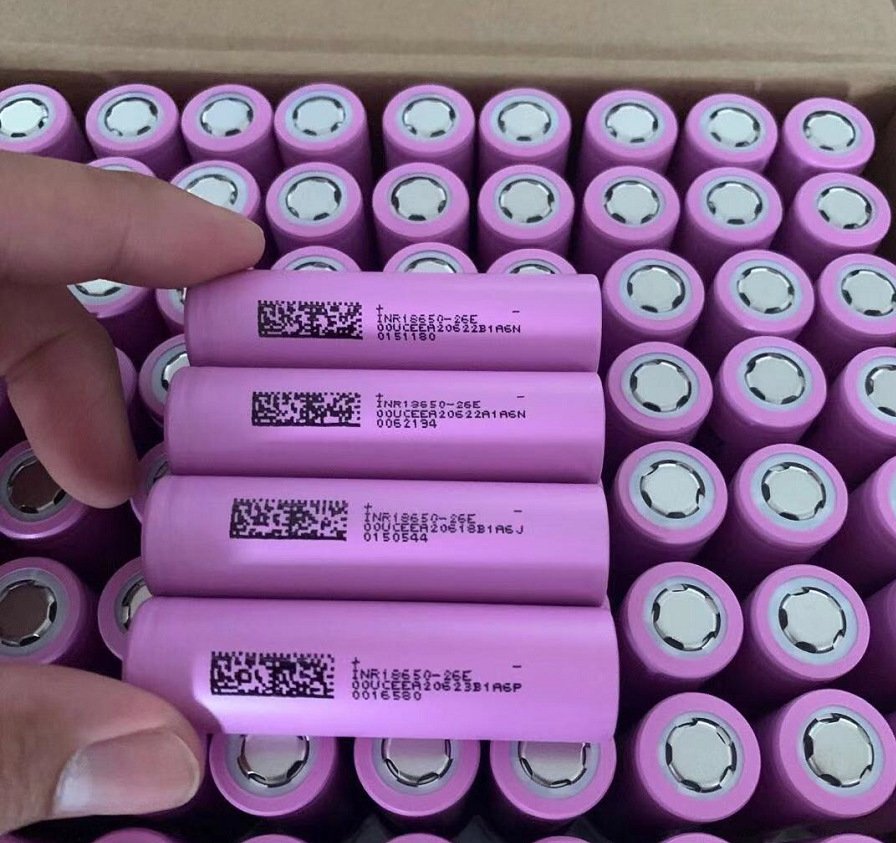
E-bike OEM Pain Points Solved by 18650 LFP Cylindrical Batteries: Top 5 Problems & Solutions
The global E-bike market is surging, driven by the “Green New Deal” in the EU and aggressive electrification mandates in the US. However, for OEM engineers and technical procurement managers, the transition from traditional Lead-Acid or early-generation NMC packs to modern Lithium Iron Phosphate (LFP) is fraught with engineering compromises. While LFP chemistry offers the safety and longevity OEMs crave, integrating 18650 cylindrical cells into a robust E-bike Battery Management System (BMS) presents specific thermal and mechanical hurdles.
As a seasoned Li-ion technology consultant, I’ve seen countless prototypes fail in the field not due to cell defects, but due to poor system design. This article dissects the top 5 pain points you face when designing E-bike packs with 18650 LFP cells and provides the engineering solutions to ensure your product meets stringent UL 2849 (US) and EN 15194 (EU) standards.
Pain Point 1: Thermal Runaway & Poor Heat Dissipation
The Problem:
Unlike pouch cells that can be cooled across a broad surface area, cylindrical cells like the 18650 have a high surface-to-volume ratio but are often packed tightly. LFP cells, while inherently safer than NMC, still generate significant heat during high-C discharge (common in E-bikes). If heat isn’t managed, it leads to “thermal runaway” or rapid capacity degradation.
The Technical Solution:
You cannot rely on passive cooling alone for high-power E-bikes. The solution lies in Phase Change Materials (PCMs) or forced air cooling integrated into the module design. Furthermore, selecting cells with a robust internal structure is paramount. A well-designed 18650 LFP cell will have a low internal resistance (IR), minimizing heat generation at the source.
Test Method:
Perform a “Hot Box” test. Place the fully charged pack in an environmental chamber set to 60°C (simulating a hot trunk). Cycle the battery at maximum discharge rate (e.g., 10A-20A) for 1 hour. Monitor cell surface temperature with thermocouples. If the temperature exceeds 80°C, your thermal management system (TMS) is insufficient.
Pain Point 2: Mechanical Stress & Vibration Fatigue
The Problem:
E-bikes operate in harsh environments. The constant vibration from rough roads induces mechanical stress on the rigid steel/shrink-wrap housing of 18650 cells. This stress can fracture internal electrodes or damage the BMS solder joints.
The Technical Solution:
The key is “potting” or structural adhesives. Instead of loose cells rattling in a holder, cells must be potted using non-conductive, thermally conductive epoxy. This transfers mechanical stress to the casing rather than the cell internals. Additionally, the cell itself must pass rigorous nail penetration and crush tests to ensure the internal jelly roll doesn’t shift.
Test Method:
Conduct a Vibration Fatigue Test per IEC 60068-2-64. Subject the pack to random vibration profiles simulating 10,000km of rough road driving (Grms value of 10-15). Post-test, perform an X-Ray inspection to check for internal electrode deformation or separator damage.
Pain Point 3: Inconsistent Cell Matching & Balancing
The Problem:
An E-bike pack consists of hundreds of 18650 cells wired in series and parallel. If the cells are not perfectly matched in capacity and internal resistance, the BMS will struggle to balance them. This results in “weak links” where some cells over-discharge or over-charge, leading to premature pack failure.
The Technical Solution:
Insist on Grade-A sorting from your manufacturer. Cells must be bin-sorted within tight tolerances (Capacity: ±10mAh, IR: ±1mΩ). Furthermore, your BMS must utilize active balancing rather than passive resistive bleeding, especially for large capacity LFP packs which operate within a narrow voltage curve.
Test Method:
Perform a Delta-OCV (Open Circuit Voltage) test. Fully charge the pack and let it rest for 24 hours. Measure the voltage of every single cell. In a perfectly matched batch, the variance should be less than 5mV. If variance exceeds 15mV, the cells were poorly sorted.
Pain Point 4: Low Energy Density & Weight Distribution
The Problem:
LFP chemistry is heavier than NMC for the same energy capacity. For E-bike OEMs targeting the premium market (especially in California or the EU), a heavy battery ruins the bike’s handling and aesthetics.
The Technical Solution:
While LFP is heavier, advancements in 18650 engineering have improved this. Look for cells utilizing Silicon-Blend Anodes or high-density cathode coatings. While pure LFP might be 90-100 Wh/kg, advanced formulations can push towards 120 Wh/kg. Additionally, optimizing the Module-to-Pack (MTP) ratio by using structural frames reduces “dead weight” from housings.
Test Method:
Calculate the Gravimetric Energy Density. Weigh the entire pack (including BMS, wires, and housing). Divide the nominal pack voltage by the total weight. If you are below 80 Wh/kg for a complete LFP system, your design is inefficient.
Pain Point 5: Supply Chain Volatility & Compliance
The Problem:
Sourcing consistent, high-quality 18650 cells is difficult. Many manufacturers cut corners on cycle life testing. Furthermore, exporting to the US and EU requires strict documentation (RoHS, REACH, UL).
The Technical Solution:
Partner with manufacturers who have established local compliance testing data. You need access to 3rd party test reports proving 2000+ cycles at 80% Depth of Discharge (DoD).
The CNS Advantage: Engineering Reliability for Global Markets
When solving these OEM pain points, the choice of manufacturer is critical. At CNS Battery, we don’t just sell cells; we provide engineering solutions tailored for the rigorous demands of E-bike applications.
Our 18650 Lithium Iron Phosphate (LFP) and NMC cells are engineered with the specific goal of maximizing cycle life and thermal stability. We understand that an E-bike OEM in Germany or California needs more than just a cell—they need a partner who guarantees consistency.
Why CNS Solves Your Top Pain Points:
- Superior Thermal Stability: Our cells utilize a proprietary electrolyte formula that enhances high-temperature cycle life, directly addressing Pain Point 1.
- Robust Mechanical Design: Our 18650 casings are designed to withstand high vibration, making them ideal for the mechanical stress of E-bikes (Pain Point 2).
- Military-Grade Sorting: We bin-sort cells with extreme precision to ensure batch consistency, eliminating balancing issues (Pain Point 3).
We invite you to explore our comprehensive range of Cylindrical Battery Cells, specifically designed to meet the high discharge and safety requirements of modern E-bikes.
Explore our Cylindrical Battery Solutions:
Explore CNS Cylindrical Battery Cells
For E-bike OEMs looking to scale, partnering with a reliable Battery Manufacturer in China is essential. CNS provides the technical backbone and quality control needed to navigate complex global supply chains.
Learn more about becoming a Global CNS Customer:
Contact CNS Battery Manufacturers
Connect with our Technical Team:
For direct engineering support and samples, please reach out to our global sales department.
Contact Us Today