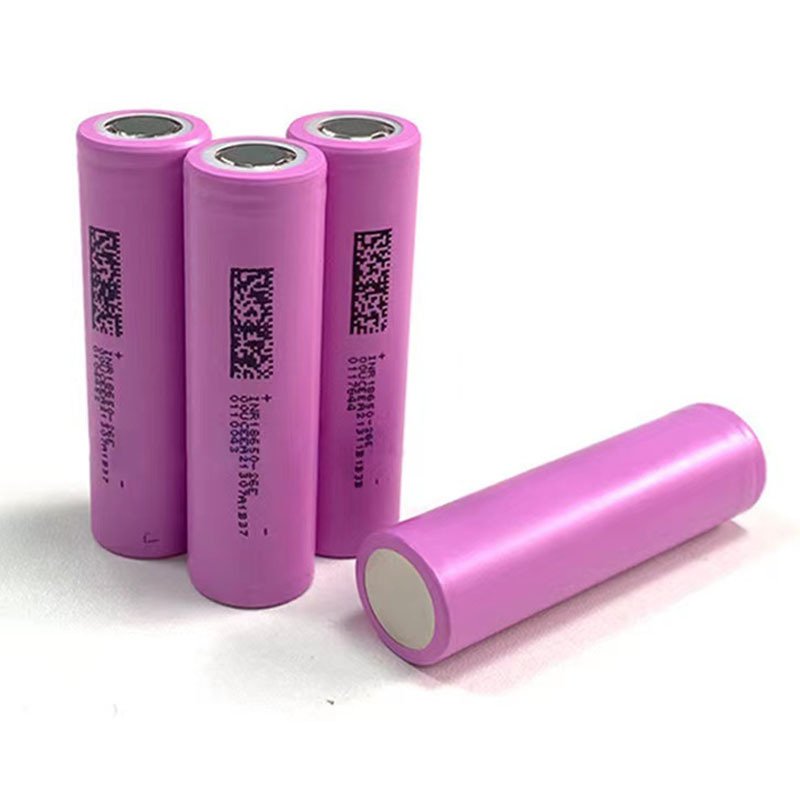
E-bike OEM Pain Points Solved by 18650 LFP Cylindrical Batteries: Low Price, High Quality
The electric bicycle (e-bike) industry is experiencing unprecedented growth, with OEM manufacturers facing intensifying pressure to deliver safer, more affordable, and longer-lasting battery solutions. Among the critical challenges confronting e-bike OEMs are safety concerns, cost constraints, cycle life limitations, and supply chain inconsistencies. 18650 LFP (Lithium Iron Phosphate) cylindrical batteries have emerged as the definitive solution, addressing these pain points while maintaining competitive pricing and superior quality standards.
Understanding the Core Pain Points for E-bike OEMs
E-bike manufacturers operate in a highly competitive market where battery performance directly impacts product reliability, customer satisfaction, and brand reputation. The traditional NCM (Nickel Cobalt Manganese) battery chemistry, while offering higher energy density, presents significant challenges including thermal instability, higher raw material costs, and shorter cycle life. OEMs require battery solutions that balance performance, safety, and cost-effectiveness without compromising quality.
1. Enhanced Safety Through Superior Thermal Stability
Safety remains the paramount concern for e-bike OEMs, particularly following high-profile battery fire incidents that have damaged consumer confidence. 18650 LFP cylindrical batteries offer exceptional thermal and chemical stability compared to NCM alternatives. The LiFePO₄ cathode material demonstrates superior resistance to thermal runaway, with decomposition temperatures exceeding 270°C versus approximately 150°C for NCM chemistry.
The cylindrical 18650 form factor provides additional safety advantages through robust steel casing that protects against mechanical damage and external impacts. This combination of stable chemistry and durable construction significantly reduces the risk of fire hazards, enabling OEMs to meet stringent international safety certifications including UN38.3, MSDS, and WERCS requirements. For manufacturers seeking reliable battery partners, exploring established battery manufacturers in China ensures access to certified, safety-compliant solutions.
2. Cost Efficiency Without Quality Compromise
Price competitiveness represents a critical factor in e-bike market success. LFP chemistry eliminates expensive cobalt and nickel from the cathode composition, resulting in approximately 35% lower cell costs compared to NCM equivalents. This cost advantage translates directly to improved profit margins for OEMs while maintaining or reducing end-user pricing.
The standardized 18650 cylindrical format further enhances cost efficiency through economies of scale. With global 18650 battery shipments reaching 5.9 billion units in 2024 (representing 46.1% of total cylindrical battery output), manufacturers benefit from mature production processes, automated assembly lines, and optimized supply chains. OEMs can access high-quality cylindrical battery cells at competitive price points without sacrificing performance specifications.
3. Extended Cycle Life and Long-Term Performance
E-bike batteries must withstand frequent charge-discharge cycles under varying operating conditions. 18650 LFP batteries deliver exceptional cycle life, typically achieving 3,000-5,000+ cycles at 80% depth of discharge, significantly outperforming NCM alternatives that average 1,000-2,000 cycles. Recent technological advancements have pushed LFP cycle life beyond 10,000 cycles in optimal conditions.
This extended lifespan provides multiple advantages for OEMs:
- Reduced warranty claims and after-sales service costs
- Enhanced product differentiation through superior longevity
- Improved total cost of ownership for end customers
- Stronger brand reputation for reliability
The stable crystal structure of LiFePO₄ minimizes capacity degradation over time, ensuring consistent performance throughout the battery’s operational life. This reliability is particularly valuable for commercial e-bike applications including delivery services and bike-sharing programs where batteries undergo intensive daily usage.
4. Supply Chain Stability and Manufacturing Consistency
OEM manufacturers require reliable battery supply chains to maintain production schedules and meet delivery commitments. The 18650 LFP ecosystem benefits from widespread adoption across multiple industries including energy storage, power tools, and electric vehicles, creating robust supply networks with multiple qualified suppliers.
Chinese battery manufacturers have established dominant positions in 18650 LFP production, with companies like EVE Energy, Hengdian Dongci, and others leading global output. This manufacturing concentration ensures consistent quality, competitive pricing, and reliable delivery schedules. Partnering with experienced battery manufacturers provides OEMs with technical support, customization capabilities, and long-term supply security.
The standardized 18650 dimensions (18mm diameter × 65mm length) simplify battery pack design and manufacturing processes. OEMs can leverage existing tooling, BMS solutions, and assembly equipment, reducing development time and capital investment requirements.
Technical Specifications and Performance Metrics
Modern 18650 LFP cells offer compelling performance characteristics for e-bike applications:
| Parameter | Specification |
|---|---|
| Nominal Voltage | 3.2V |
| Capacity Range | 1,500-3,500mAh |
| Cycle Life | 3,000-10,000+ cycles |
| Operating Temperature | -20°C to +60°C |
| Internal Resistance | ≤30mΩ |
| Energy Density | 90-120Wh/kg |
These specifications balance performance requirements with safety and cost considerations, making 18650 LFP batteries ideal for mainstream e-bike segments including commuter bikes, cargo bikes, and light electric vehicles.
Implementation Considerations for OEMs
Successful integration of 18650 LFP batteries requires attention to several key factors:
Battery Management System (BMS): Proper BMS design ensures optimal cell balancing, protection against overcharge/overdischarge, and thermal monitoring. LFP’s flat voltage discharge curve necessitates accurate state-of-charge estimation algorithms.
Pack Configuration: Series-parallel arrangements must account for LFP’s 3.2V nominal voltage versus 3.7V for NCM, typically requiring additional cells in series to achieve target pack voltages (36V, 48V, 52V systems).
Quality Verification: OEMs should implement incoming quality control procedures including capacity testing, internal resistance measurement, and visual inspection to ensure cell consistency before pack assembly.
Conclusion: Strategic Advantage Through LFP Adoption
The transition to 18650 LFP cylindrical batteries represents a strategic decision that addresses the fundamental pain points facing e-bike OEMs. Superior safety characteristics eliminate thermal runaway risks, reduced material costs improve profit margins, extended cycle life enhances product value propositions, and mature supply chains ensure production stability.
For OEM manufacturers seeking to optimize their battery sourcing strategy, partnering with established suppliers provides access to certified products, technical expertise, and customized solutions. Visit our contact page to discuss your specific requirements and explore how 18650 LFP technology can strengthen your competitive position in the growing e-bike market.
The e-bike industry’s future belongs to manufacturers who prioritize safety, quality, and value. 18650 LFP cylindrical batteries deliver all three, enabling OEMs to build products that customers trust and competitors struggle to match.