
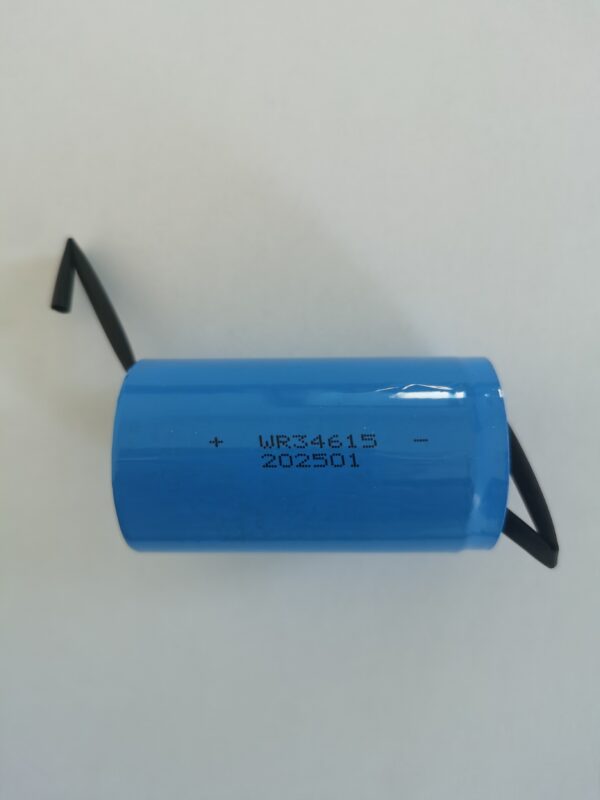
Duracell DL2450/BP Li-MnO₂ Battery Replacement: Technical Guide for Engineering Professionals
The Duracell DL2450/BP represents a critical component in numerous industrial and commercial applications requiring reliable 3V lithium manganese dioxide power sources. For engineering teams and technical procurement specialists, understanding the specifications, replacement criteria, and underlying electrochemical principles of this Li-MnO₂ coin cell battery is essential for maintaining system integrity and operational continuity. This comprehensive guide addresses key considerations for DL2450/BP battery replacement while providing foundational insights into lithium metal primary battery technology.
Understanding the DL2450/BP Battery Specification
The DL2450/BP designation follows industry-standard nomenclature where “24” indicates a 24mm diameter and “50” represents a 5.0mm height. The “BP” suffix typically denotes blister pack packaging for retail distribution. This lithium manganese dioxide (Li-MnO₂) chemistry delivers a nominal voltage of 3.0V with typical capacity ranging between 550-620mAh depending on manufacturer specifications and discharge conditions.
For technical purchasers evaluating replacement options, several critical parameters must be verified:
- Voltage Compatibility: Ensure replacement cells maintain the 3.0V nominal output required by your application
- Dimensional Tolerance: Physical dimensions must match within ±0.1mm to ensure proper fit in battery compartments
- Capacity Requirements: Match or exceed original capacity specifications for intended service life
- Operating Temperature Range: Verify performance across your application’s environmental conditions
- Shelf Life: Quality Li-MnO₂ batteries should maintain 95%+ capacity after 5 years of proper storage
Li-MnO₂ Battery Technology Fundamentals
Lithium manganese dioxide batteries represent one of the most established primary lithium chemistries in commercial applications. The electrochemical system utilizes metallic lithium as the anode and manganese dioxide (MnO₂) as the cathode, with an organic electrolyte facilitating ion transfer between electrodes.
Key Technical Characteristics:
The anode reaction involves lithium oxidation: Li → Li⁺ + e⁻, while the cathode undergoes manganese reduction: Mn⁴⁺ + e⁻ → Mn³⁺. This chemistry delivers several advantages critical for industrial applications:
- Stable Discharge Profile: Li-MnO₂ cells maintain relatively flat voltage curves throughout most of their discharge cycle, ensuring consistent power delivery to sensitive electronics
- Low Self-Discharge Rate: Premium cells exhibit less than 1% annual self-discharge under proper storage conditions (10-25°C, 50% relative humidity)
- Wide Temperature Performance: Operational ranges typically span -20°C to +70°C, with specialized variants extending to -40°C or +85°C for demanding environments
- Safety Characteristics: Unlike rechargeable lithium-ion systems, primary Li-MnO₂ batteries incorporate multiple safety features including PTC devices and pressure relief vents
Critical Replacement Considerations for Engineering Teams
When sourcing DL2450/BP replacements, technical procurement professionals should evaluate several factors beyond basic specifications:
Manufacturer Qualification: Verify supplier certifications including ISO 9001, IEC 60086 compliance, and relevant safety standards (UL, CE, RoHS). Reputable manufacturers provide comprehensive test documentation and traceability records.
Quality Consistency: Request batch testing data demonstrating capacity uniformity, internal resistance consistency, and leakage prevention measures. Variations exceeding ±5% in capacity within production lots may indicate quality control issues.
Supply Chain Reliability: Assess manufacturer production capacity, lead times, and inventory management capabilities. Critical applications require suppliers with proven track records of consistent availability.
Technical Support: Quality suppliers offer engineering support for application-specific requirements including custom labeling, specialized packaging, or modified performance characteristics.
Application-Specific Replacement Guidelines
Different applications impose varying demands on DL2450/BP replacement batteries:
Medical Devices: Require batteries with extended shelf life certifications, lot traceability, and compliance with medical device regulations. Leakage prevention is paramount.
Industrial Sensors: Prioritize wide temperature performance and consistent voltage output throughout discharge cycle. Consider cells with enhanced sealing for harsh environments.
Security Systems: Focus on long-term reliability and low self-discharge characteristics. Backup power applications demand proven performance after extended storage periods.
Automotive Electronics: Verify automotive-grade qualifications including AEC-Q200 compliance where applicable. Temperature cycling performance becomes critical.
Procurement Best Practices
For organizations managing multiple replacement scenarios, establishing standardized procurement protocols ensures consistency and reduces risk:
- Maintain approved vendor lists with pre-qualified suppliers
- Require sample testing before bulk procurement
- Document all specifications in purchase agreements
- Establish incoming quality inspection procedures
- Maintain adequate safety stock based on consumption rates
Conclusion
Successful DL2450/BP battery replacement requires more than matching basic specifications. Engineering teams and technical purchasers must understand the underlying Li-MnO₂ technology, evaluate supplier capabilities comprehensively, and establish quality assurance protocols appropriate for their specific applications. By prioritizing technical compatibility, supplier qualification, and quality verification, organizations can ensure reliable power delivery while minimizing operational risks associated with battery replacement.
For detailed technical specifications, customization options, or engineering support regarding primary lithium battery solutions, professional consultation ensures optimal selection for your specific requirements.
Contact our technical team: https://cnsbattery.com/primary-battery-contact-us/
Explore our primary battery product range: https://cnsbattery.com/primary-battery/
Proper battery replacement strategy protects your equipment investment while maintaining system reliability across your operational lifecycle.
