Drone OEM Pain Points Solved by 33135 NCM Cylindrical Batteries OEM Custom Solutions
The commercial drone industry continues to experience rapid expansion in 2026, with industrial UAV applications spanning agriculture, inspection, surveillance, and logistics. However, drone OEMs face persistent challenges in power system optimization. 33135 NCM cylindrical batteries have emerged as a game-changing solution, addressing critical pain points through customized OEM partnerships with leading Chinese battery manufacturers.
Understanding the 33135 NCM Cylindrical Battery Architecture
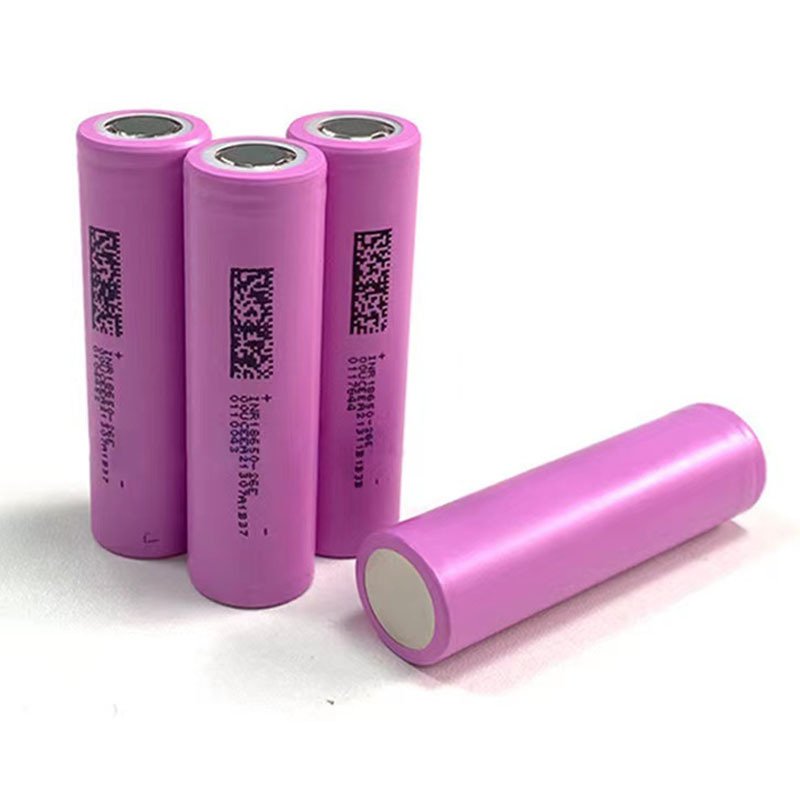
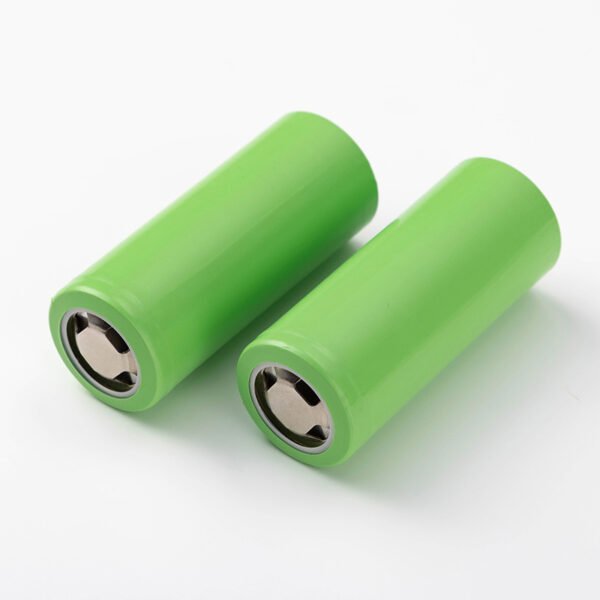
The 33135 designation refers to a cylindrical cell with 33mm diameter and 135mm height—a larger format than conventional 18650 or 21700 cells. This increased volume enables significantly higher capacity while maintaining the structural advantages of cylindrical design. NCM (Nickel-Cobalt-Manganese) chemistry delivers energy densities exceeding 250Wh/kg, making it ideal for weight-sensitive drone applications where flight time directly correlates with operational efficiency.
For technical specifications and detailed cell parameters, visit our cylindrical battery cell product page.
Critical Pain Point #1: Insufficient Flight Endurance
The Challenge: Most commercial drones achieve only 25-35 minutes of flight time with standard battery packs, limiting mission scope and requiring frequent battery swaps.
The 33135 Solution: The larger form factor accommodates 12-15Ah capacity per cell compared to 5-6Ah in 21700 equivalents. When configured in appropriate series-parallel arrangements, drone OEMs can achieve 60-90 minutes of continuous flight without compromising payload capacity. NCM chemistry’s superior specific energy ensures this extension doesn’t come with proportional weight penalties.
Critical Pain Point #2: Thermal Management Under High Discharge
The Challenge: Drone motors demand high burst currents during takeoff and maneuvering, generating substantial heat that degrades battery performance and safety.
The 33135 Solution: The cylindrical geometry provides superior surface-area-to-volume ratio compared to prismatic or pouch cells, enabling more efficient heat dissipation. Advanced NCM formulations incorporate thermal stability enhancements through manganese doping, reducing thermal runaway risks. OEM custom solutions include integrated thermal monitoring systems and optimized cell spacing within battery packs.
Critical Pain Point #3: Supply Chain Reliability and Customization
The Challenge: Generic battery suppliers cannot accommodate specific voltage requirements, form factor constraints, or BMS integration needs unique to each drone platform.
The 33135 OEM Advantage: Partnering with established battery manufacturers in China provides access to flexible production lines capable of customizing cell configurations, connector types, and communication protocols. This ensures seamless integration with existing drone architectures while maintaining quality consistency across production batches.
Critical Pain Point #4: Regulatory Compliance and Certification
The Challenge: Aviation authorities increasingly require comprehensive battery safety documentation, including UN38.3, IEC62133, and cell-level test reports.
The 33135 Solution: Reputable OEM partners provide complete certification packages with traceable test data. NCM cells undergo rigorous validation including overcharge, short-circuit, crush, and thermal abuse testing. This documentation streamlines drone certification processes and reduces time-to-market for OEM customers.
Technical Implementation Considerations
When integrating 33135 NCM cells into drone power systems, engineers should consider:
- Cell Matching: Ensure capacity and internal resistance variance remains below 3% within parallel groups
- BMS Architecture: Implement active balancing for packs exceeding 10S configuration
- Mechanical Design: Account for cylindrical cell expansion during cycling (typically 0.5-1mm radial growth)
- Charging Protocol: Utilize CC-CV charging with temperature-compensated voltage thresholds
Cost-Benefit Analysis for Drone OEMs
While 33135 NCM cells carry approximately 15-20% premium over standard 21700 alternatives, the total cost of ownership improves through:
- Reduced battery pack quantity per drone unit
- Extended service life (2000+ cycles at 80% DOD)
- Lower warranty claims from thermal-related failures
- Enhanced product differentiation in competitive markets
Partner Selection Criteria
When evaluating battery OEM partners, prioritize manufacturers demonstrating:
- Vertical integration from cell production to pack assembly
- In-house R&D capabilities for chemistry optimization
- Proven track record in aerospace or automotive applications
- Responsive technical support for integration challenges
For direct communication with qualified battery solution providers, visit our contact page.
Future Outlook: 2026 and Beyond
The drone battery landscape continues evolving with solid-state technology on the horizon. However, 33135 NCM cylindrical solutions represent the optimal balance of maturity, performance, and cost-effectiveness for current-generation industrial drones. OEMs establishing partnerships now position themselves for seamless transition to next-generation chemistries while maximizing immediate market opportunities.
Conclusion
33135 NCM cylindrical batteries address the fundamental constraints limiting drone OEM innovation today. Through strategic OEM custom solutions, manufacturers can overcome endurance limitations, thermal challenges, and supply chain constraints while maintaining competitive pricing. The key lies in selecting experienced partners who understand both battery technology and drone application requirements.
For drone OEMs seeking to differentiate their products through superior power systems, 33135 NCM custom solutions offer a proven pathway to market leadership in 2026’s expanding commercial UAV sector.