Deep Cycle Battery For Golf Cart: The Ultimate Guide To Performance & Longevity
For golf course managers, fleet operators, and recreational users, selecting the right Deep Cycle Battery For Golf Cart is not just about power—it’s about total cost of ownership, maintenance efficiency, and ensuring a smooth ride mile after mile.
While traditional lead-acid batteries have dominated the market for decades, the shift toward Lithium-Ion (LiFePO4) technology is rapidly accelerating. This guide will dissect the technical advantages of modern cylindrical cells, compare them to traditional options, and provide actionable procurement insights for B2B buyers.
⚡️ Why Upgrade? The Lithium-Ion Advantage
The primary reason operators switch from Flooded Lead Acid (FLA) to Lithium-Ion is the cycle life. A standard FLA battery typically lasts between 300 to 500 cycles if well-maintained. In contrast, a high-quality Deep Cycle Battery For Golf Cart utilizing advanced cylindrical cells can achieve 2000 to 5000 cycles.
This longevity directly impacts your bottom line. Consider a commercial fleet operating daily. Switching to lithium reduces the frequency of battery replacements by 300%, effectively eliminating the downtime and labor costs associated with changing heavy acid batteries every 1-2 years.
Key Technical Metrics Comparison:
| Feature | Lead-Acid (Traditional) | Lithium-Ion (Modern) |
|---|---|---|
| Cycle Life | 300 – 500 Cycles | 2000 – 5000+ Cycles |
| Energy Density | Low (Heavy) | High (Lightweight) |
| Maintenance | High (Watering, Equalization) | Zero Maintenance |
| Charge Efficiency | 70-80% | 95%+ |
🔋 Core Technology: The Cylindrical Cell Revolution
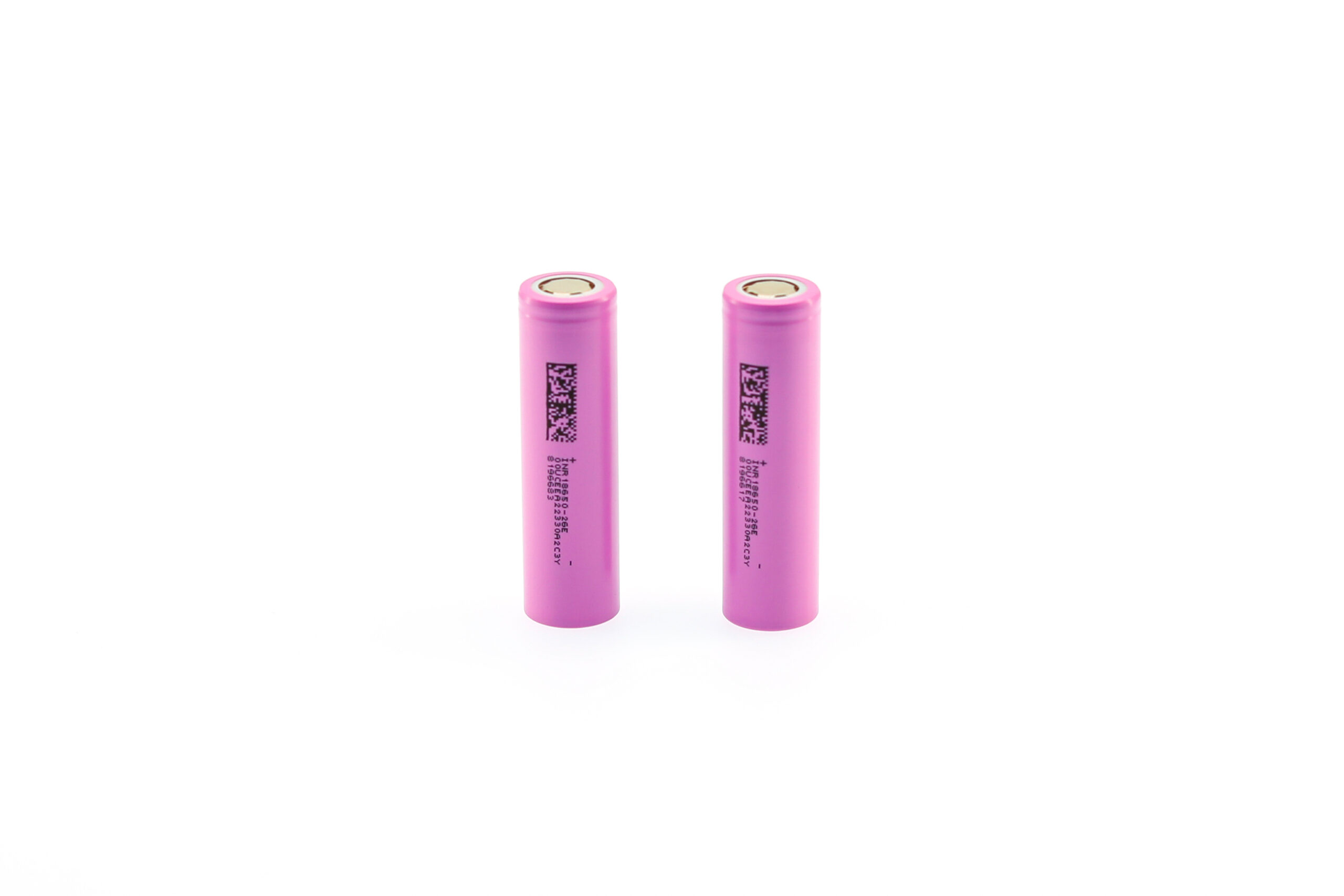
The heart of a modern Deep Cycle Battery For Golf Cart lies in the cell format. While many industrial batteries use prismatic or pouch cells, high-performance golf cart applications are increasingly utilizing Cylindrical Battery Cells.
Why Cylindrical Cells?
Cylindrical cells (specifically the 32700 and 21700 formats) offer superior thermal management compared to their flat counterparts. The cylindrical geometry allows for more efficient heat dissipation during high-drain activities like climbing hills or carrying heavy loads. This thermal stability prevents overheating, which is the primary cause of battery degradation in lead-acid systems.
Furthermore, cylindrical cells have a rigid outer casing that provides excellent mechanical stability. This is crucial for golf carts navigating uneven terrain, as it protects the internal chemistry from vibration damage—a common issue in bumpy cart paths.
🛠️ Technical Deep Dive: Specifications & Safety
To ensure your fleet operates at peak efficiency, you must look beyond just voltage. Here is the technical breakdown every engineer should verify:
- Battery Management System (BMS): A robust BMS is non-negotiable. It must include Over-Current Protection (OCP) and Short-Circuit Protection (SCP). This safeguards the investment during sudden load spikes.
- State of Charge (SoC) Accuracy: Unlike lead-acid, which relies on voltage sag (an inaccurate measure), lithium systems use Coulomb counting for precise SoC. This ensures you never accidentally deep-discharge the cells, which can kill a lead-acid battery but is prevented by the BMS in a lithium system.
- Discharge Rate: For hilly terrains, ensure the battery supports a continuous discharge rate of at least 1C. For example, a 100Ah battery should reliably deliver 100A without significant voltage drop.
Pro Tip: When retrofitting a lead-acid cart to lithium, always check the charger compatibility. Lithium requires a specific Constant Current/Constant Voltage (CC/CV) profile that old lead-acid chargers often cannot provide.
📈 Procurement Strategy: Buying From China
For B2B buyers looking to source Deep Cycle Battery For Golf Cart solutions, China remains the global manufacturing hub. However, navigating the market requires due diligence.
Compliance & Certification:
Before importing, verify that the manufacturer adheres to UN38.3 standards for the transport of dangerous goods. Additionally, look for ISO 9001 certification, which indicates a structured quality management system—vital for avoiding duds in your shipment.
Customization vs. Standard:
Many manufacturers offer standard off-the-shelf batteries, but the real value for fleet operators often lies in customization. You may require specific dimensions to fit legacy cart housings or specific voltage configurations (48V, 72V, etc.). A reputable Battery Manufacturer In China should offer OEM services to tweak the Battery Management System parameters or physical casing to meet your specific fleet requirements.
🏁 Conclusion: The Future Of Golf Cart Power
Investing in a Deep Cycle Battery For Golf Cart based on advanced cylindrical lithium technology is no longer a luxury; it is a strategic operational decision. The elimination of maintenance, the doubling of runtime per charge, and the drastic reduction in long-term replacement costs make it the superior choice for any serious operator.
If you are ready to upgrade your fleet or require a custom solution for your specific cart model, it is time to consult with a specialist.
Ready to optimize your fleet’s performance?
Explore our comprehensive range of industrial cylindrical battery cells designed for high-drain applications, or contact our engineering team directly for a customized consultation tailored to your golf cart specifications.
Explore Our Cylindrical Battery Solutions
Contact A Battery Specialist