

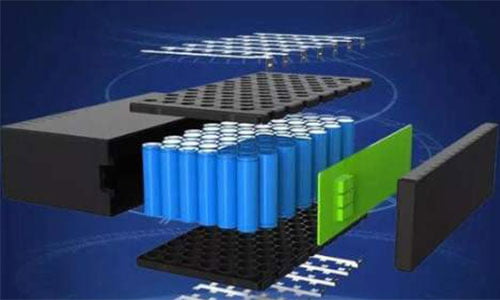
Cylindrical Battery Cell For Camera Equipment | CNS BATTERY
Professional Technical Analysis for Imaging System Power Solutions
In the professional photography and videography industry, reliable power delivery is as critical as optical performance. Cylindrical lithium battery cells have emerged as the preferred energy storage solution for camera equipment, offering an optimal balance of energy density, thermal management, and structural integrity. This technical analysis examines the key specifications and selection criteria that engineers and procurement specialists must consider when integrating cylindrical cells into imaging systems.
Technical Specifications and Performance Parameters
Cell Geometry and Energy Density
The cylindrical form factor, particularly 18650 (18mm diameter × 65mm length) and 21700 (21mm diameter × 70mm length) configurations, provides superior volumetric efficiency compared to alternative chemistries. The 21700 variant delivers approximately 47% greater volume, enabling enhanced capacity without proportional increases in thermal resistance. For camera gimbals, lighting systems, and portable recording devices, this translates to extended operational runtime between charging cycles.
Key Technical Parameters:
- Nominal Voltage: 3.6V – 3.7V per cell
- Energy Density: 250 – 280 Wh/kg (NMC chemistry)
- Internal Resistance: ≤30 mΩ (ICR18650 standard)
- Maximum Continuous Discharge: 10C – 15C depending on application
Discharge Rate Requirements for Camera Systems
Professional camera equipment demands precise power delivery characteristics. High-resolution video recording, particularly in 4K and 8K formats, creates pulsed current demands during autofocus activation, image stabilization, and data writing operations. Cylindrical cells engineered for camera applications must sustain:
- Peak discharge currents of 5A – 15A without significant voltage sag
- Stable voltage output within ±0.2V tolerance during operation
- Low self-discharge rates (<3% per month) for equipment in standby mode
For detailed product specifications matching these requirements, visit our Cylindrical Battery Cell catalog.
Thermal Management and Safety Compliance
Operating Temperature Ranges
Camera equipment frequently operates in challenging environmental conditions, from studio environments to outdoor productions. Premium cylindrical cells must maintain performance across -20°C to +60°C operating ranges while incorporating multiple safety mechanisms:
- PTC (Positive Temperature Coefficient) devices for overcurrent protection
- CID (Current Interrupt Device) for internal pressure management
- Thermal shutdown separators preventing thermal runaway propagation
International Certification Standards
Compliance with global safety regulations is mandatory for B2B procurement. Key certifications include:
| Standard | Application | Requirement |
|---|---|---|
| IEC 62133 | Portable Equipment | Safety testing for secondary cells |
| UN 38.3 | Transportation | Lithium battery shipping compliance |
| EU 2023/1542 | European Market | Battery passport and sustainability |
| CE-Battery | EU Market Access | Mandatory certification from 2025 |
As of 2026, lithium battery cells shipped internationally must comply with 30% State of Charge (SoC) limitations for air transport under updated IATA DGR regulations. Manufacturers must provide comprehensive documentation including test reports, MSDS, and compliance certificates.
Cell Chemistry Selection for Imaging Applications
NMC vs. LFP Trade-offs
Nickel Manganese Cobalt (NMC) chemistry remains dominant for camera equipment due to higher energy density and superior discharge characteristics. However, Lithium Iron Phosphate (LFP) alternatives offer enhanced cycle life (>3000 cycles) and improved thermal stability for stationary camera installations.
Selection Matrix:
- Portable Camera Systems: NMC 811 or NCA chemistry (priority: energy density)
- Studio Lighting Equipment: LFP chemistry (priority: cycle life and safety)
- Drone-Mounted Cameras: High-drain NMC variants (priority: discharge rate)
Battery Management System Integration
Professional camera battery packs require sophisticated BMS implementation for:
- Cell balancing across series configurations (typically 2S – 4S)
- State of Charge (SoC) estimation with <2% accuracy
- Communication protocols (SMBus, UART) for host system integration
- Over-temperature protection with automatic discharge reduction
Supply Chain and Manufacturing Considerations
When sourcing cylindrical cells for camera equipment production, technical procurement teams must evaluate manufacturer capabilities beyond unit pricing. Critical assessment factors include:
- Production capacity and lead time consistency
- Quality management systems (ISO 9001, IATF 16949)
- Traceability systems for batch-level quality control
- Technical support for custom pack integration
China has established itself as a primary manufacturing hub for cylindrical lithium cells, offering competitive pricing without compromising technical specifications. For comprehensive manufacturer evaluation and partnership opportunities, explore our resources on Battery Manufacturers in China.
Future Technology Trends
The cylindrical cell segment continues evolving with several developments relevant to camera equipment manufacturers:
- Silicon-enhanced anodes increasing energy density by 15-20%
- Solid-state electrolyte prototypes improving safety margins
- Fast-charge capabilities reaching 80% capacity in under 30 minutes
- Sustainable manufacturing reducing carbon footprint per Wh produced
Conclusion and Product Integration
Selecting the appropriate cylindrical battery cell for camera equipment requires systematic evaluation of electrical specifications, safety compliance, thermal performance, and supply chain reliability. CNS BATTERY provides engineered solutions meeting the demanding requirements of professional imaging systems, with full technical documentation and certification support.
For technical consultation, custom specification requests, or partnership discussions, our engineering team is available through our Contact Page. We support B2B clients worldwide with comprehensive battery solutions designed for professional camera equipment applications.
Technical Note: All specifications subject to application-specific validation. Contact CNS BATTERY engineering team for detailed datasheets and integration support.


