
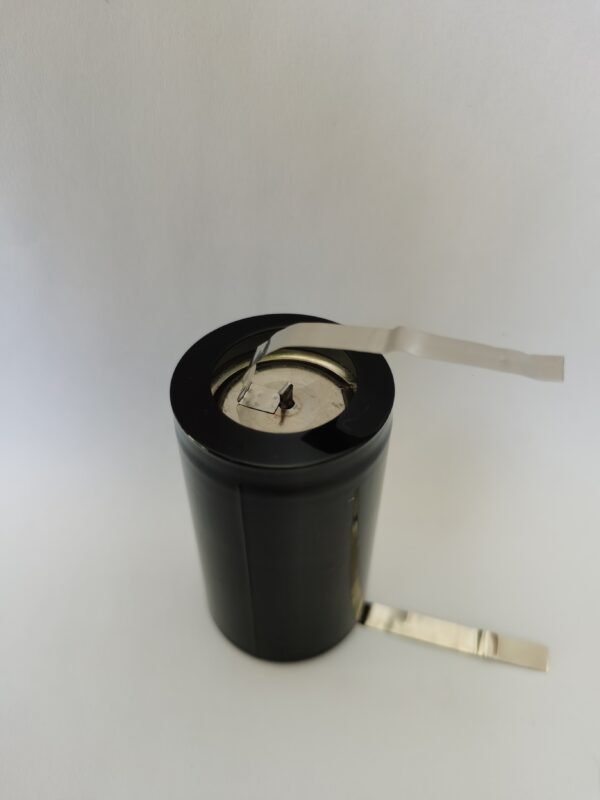
Custom Lithium Battery for Scientific Research | Low MOQ OEM
Precision Power Solutions for Laboratory Excellence
In the demanding landscape of scientific research, reliable power sources are not merely components—they are critical enablers of experimental integrity. Custom lithium metal primary batteries have emerged as the preferred choice for research institutions, laboratory equipment manufacturers, and field measurement device developers worldwide. With low MOQ OEM capabilities, research teams can now access tailored energy solutions without the burden of excessive inventory commitments.
Why Lithium Metal Primary Batteries Dominate Research Applications
Lithium metal primary batteries, including Li-SOCl₂ (Lithium Thionyl Chloride) and Li-MnO₂ (Lithium Manganese Dioxide) chemistries, offer distinctive advantages that align perfectly with scientific instrumentation requirements:
Superior Energy Density & Long Shelf Life
Lithium primary cells deliver energy densities exceeding 500 Wh/kg, significantly outperforming alkaline alternatives. The self-discharge rate remains below 1% per year under proper storage conditions, ensuring equipment readiness even after extended idle periods. This characteristic proves invaluable for remote monitoring stations and long-term deployment scenarios where battery replacement presents logistical challenges.
Stable Voltage Output
Research-grade instruments demand consistent power delivery. Li-SOCl₂ batteries maintain a flat discharge curve at 3.6V nominal voltage throughout 90% of their capacity, minimizing measurement drift and calibration errors. Li-MnO₂ variants provide 3.0V nominal voltage with excellent pulse current capability, suitable for data loggers and wireless sensor nodes.
Extended Operating Temperature Range
Scientific equipment often operates in extreme environments. Quality lithium primary batteries function reliably from -55°C to +85°C, covering applications from polar research stations to high-temperature industrial monitoring systems.
Customization Parameters for Research-Specific Requirements
Capacity & Form Factor Flexibility
Research projects rarely conform to standard battery specifications. OEM partners should offer customization across:
- Capacity ranges: From 100mAh coin cells to 19,000mAh D-size configurations
- Physical dimensions: Custom lengths, diameters, and terminal configurations
- Connection options: Wire leads, PCB mounts, or specialized connectors
Low MOQ Advantages
Traditional battery manufacturers often require minimum orders exceeding 10,000 units—impractical for research prototypes and specialized equipment. Low MOQ OEM programs enable orders as small as 500-1,000 units, allowing research teams to:
- Validate designs before scaling production
- Maintain budget efficiency for grant-funded projects
- Iterate quickly based on experimental feedback
Safety & Compliance Certification
Laboratory environments demand rigorous safety standards. Reputable manufacturers provide batteries compliant with:
- UN38.3 transportation certification
- IEC 60086-2 international standards
- RoHS & REACH environmental directives
- Custom documentation for institutional procurement requirements
Technical Considerations for Integration
Pulse Current Capability
Modern research equipment increasingly incorporates wireless transmission and periodic high-current operations. Li-MnO₂ chemistry supports pulse discharge up to 100mA, while specialized Li-SOCl₂ variants with hybrid cathode designs handle pulses exceeding 500mA without voltage depression.
Long-Term Reliability Testing
Before deployment, validate battery performance through:
- Accelerated aging tests at elevated temperatures
- Cycle testing under simulated load profiles
- Voltage stability monitoring over extended periods
Environmental Sealing
Field research equipment requires protection against moisture, dust, and chemical exposure. Custom battery assemblies can incorporate:
- Epoxy potting for vibration resistance
- Hermetic sealing for underwater applications
- Conformal coating for corrosive environment protection
Selecting the Right OEM Partner
When evaluating custom lithium battery suppliers for research applications, consider these critical factors:
Technical Support Capability: Ensure the manufacturer provides engineering consultation during the design phase, not merely production services.
Quality Management Systems: ISO 9001 certification and documented quality control procedures demonstrate commitment to consistency.
Supply Chain Transparency: Raw material sourcing traceability ensures compliance with conflict mineral regulations and ethical procurement standards.
Lead Time Realism: Research timelines demand predictable delivery schedules. Typical custom battery production ranges from 4-8 weeks depending on specification complexity.
Application Success Stories
Research institutions worldwide leverage custom lithium primary batteries across diverse applications:
- Environmental monitoring stations deployed in Arctic regions utilizing low-temperature optimized Li-SOCl₂ cells
- Wildlife tracking collars employing ultra-low self-discharge Li-MnO₂ batteries for multi-year operation
- Oceanographic sensors with custom-sealed battery packs withstandingsubmersion at depths exceeding 3,000 meters
- Portable analytical instruments benefiting from lightweight, high-capacity custom configurations
Moving Forward with Your Custom Battery Project
Initiating a custom lithium battery program requires clear specification documentation and open communication with your manufacturing partner. Begin by defining your voltage requirements, capacity needs, dimensional constraints, and environmental operating conditions.
For detailed technical consultation on primary battery solutions tailored to your research applications, visit our product portfolio to explore available chemistries and configurations. Our engineering team stands ready to discuss your specific requirements and develop optimized power solutions that align with your project timelines and budget parameters.
Ready to discuss your custom battery requirements? Contact our technical team today to initiate your OEM project with low MOQ flexibility and research-grade quality assurance.
Precision power enables breakthrough discoveries. Partner with manufacturers who understand that in scientific research, every milliamp-hour matters.
