
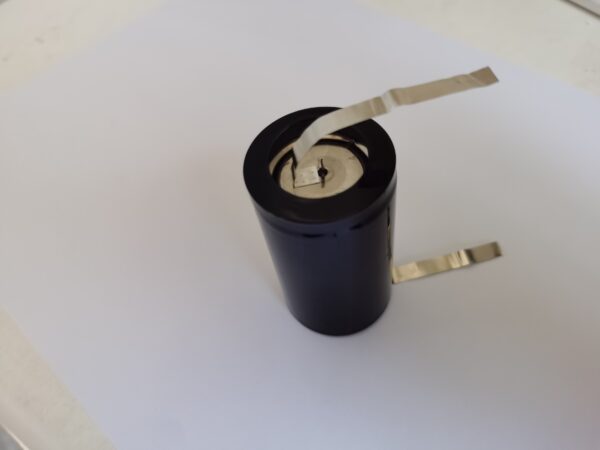
Custom Li-SO₂ Battery Pack for Mine Detector OEMs: Powering Precision in Harsh Environments
In the critical field of humanitarian demining and military operations, the reliability of equipment can mean the difference between life and death. Mine detectors operate in some of the most unforgiving environments on Earth, from the scorching heat of desert regions to the freezing conditions of high-altitude zones. For Original Equipment Manufacturers (OEMs) designing these vital tools, the power source is not merely a component; it is the heartbeat of the system. While rechargeable lithium-ion solutions dominate consumer electronics, Lithium Sulfur Dioxide (Li-SO₂) primary batteries remain the gold standard for high-reliability, long-duration military and industrial applications. This article explores the technical imperatives of custom Li-SO₂ battery packs for mine detector OEMs and why selecting the right power partner is crucial for operational success.
The Technical Case for Li-SO₂ Chemistry
Mine detectors require a power source that delivers consistent voltage under varying load conditions, often involving pulse currents for metal detection coils. Li-SO₂ batteries offer distinct advantages over traditional alkaline or even Li-MnO₂ chemistries in this sector.
1. Exceptional Energy Density and Voltage Stability
Li-SO₂ cells typically provide a nominal voltage of 3.0V and maintain a flat discharge curve throughout most of their lifecycle. This stability is vital for mine detectors, as voltage drops can lead to false negatives or reduced sensitivity in detection circuits. With an energy density significantly higher than alkaline equivalents, Li-SO₂ packs allow OEMs to reduce the overall weight and size of the detector unit without compromising operational runtime. For operators carrying equipment for hours, weight reduction is a key ergonomic factor.
2. Extreme Temperature Performance
One of the most compelling reasons to choose Li-SO₂ for defense and security applications is its operational temperature range. These batteries function reliably from -55°C to +70°C. Mine detection often occurs in extreme climates where standard batteries would fail or suffer from severe capacity loss. The liquid cathode structure of Li-SO₂ cells ensures that the electrolyte remains conductive even in sub-zero conditions, ensuring that a detector works just as effectively in a frozen field as it does in a tropical environment.
3. Long Shelf Life and Readiness
Defense procurement cycles are long, and equipment may sit in storage for years before deployment. Li-SO₂ batteries boast a shelf life of up to 10 years with minimal self-discharge (less than 1% per year at ambient temperatures). This “install-and-forget” characteristic reduces maintenance logistics for military units and NGOs, ensuring that detectors are ready for immediate use when needed.
Customization Strategies for OEM Integration
Off-the-shelf battery solutions rarely meet the specific mechanical and electrical constraints of specialized mine detection hardware. Customization is therefore not a luxury but a necessity.
- Form Factor Adaptation: Mine detector handles and control units have limited internal volume. Custom Li-SO₂ packs can be engineered into cylindrical, prismatic, or flexible configurations to maximize space utilization within the device housing.
- Capacity and Voltage Configuration: By connecting cells in series or parallel, manufacturers can tailor the pack to deliver specific voltage rails (e.g., 6V, 9V, 12V) and capacity ratings (Ah) that match the power consumption profile of the detection coil and processing unit.
- Connector and Termination Options: Robust connectivity is essential to prevent power loss due to vibration. Custom packs can include military-grade connectors, welded tabs, or wire harnesses with specific lengths and shielding to integrate seamlessly with the OEM’s PCB design.
- Protection Circuits: Although Li-SO₂ is a primary chemistry, adding simple protection circuits can prevent reverse charging in multi-cell configurations or manage pulse current loads to prevent voltage depression.
Safety, Compliance, and Logistics
Handling Li-SO₂ batteries requires strict adherence to safety protocols due to the pressurized nature of the cells. For OEMs, partnering with a supplier who understands global compliance is essential for smooth distribution.
All lithium battery shipments must comply with UN38.3 testing standards, which cover altitude simulation, thermal testing, vibration, shock, and external short circuit. A reputable manufacturer will provide full test summaries and Material Safety Data Sheets (MSDS) to facilitate air and ground transport. Furthermore, design features such as Pressure Relief Vents (PRV) are critical to safely vent gas in the unlikely event of overheating, protecting both the equipment and the operator.
Selecting the Right Manufacturing Partner
The complexity of custom Li-SO₂ pack assembly demands a supplier with deep technical expertise and rigorous quality control. OEMs should look for partners who offer more than just cells; they should provide comprehensive engineering support from the prototyping phase through to mass production.
Key considerations include:
- Engineering Support: Ability to collaborate on thermal management and structural design.
- Quality Assurance: ISO-certified manufacturing processes to ensure consistency across batches.
- Supply Chain Stability: Guaranteed availability of raw materials to prevent production delays.
For engineers and procurement specialists seeking reliable power solutions, exploring a dedicated catalog of primary battery options is the first step. You can view a comprehensive range of specialized lithium primary battery products at https://cnsbattery.com/primary-battery/. Whether you require standard cells or fully integrated custom packs, verifying the supplier’s capability to meet your specific technical drawings is paramount.
Conclusion
In the high-stakes environment of mine detection, power failure is not an option. Li-SO₂ battery technology offers the energy density, temperature resilience, and shelf life required to meet these rigorous demands. However, the true value lies in the customization and integration support provided by the battery manufacturer. By partnering with a knowledgeable supplier, OEMs can ensure their detectors remain operational in the world’s toughest conditions, ultimately saving lives.
For detailed technical consultations or to discuss custom battery pack requirements for your next project, reach out to our engineering team directly. We are ready to assist with specifications, sampling, and compliance documentation. Contact us today at https://cnsbattery.com/primary-battery-contact-us/ to start the conversation about powering your critical applications with confidence.
