
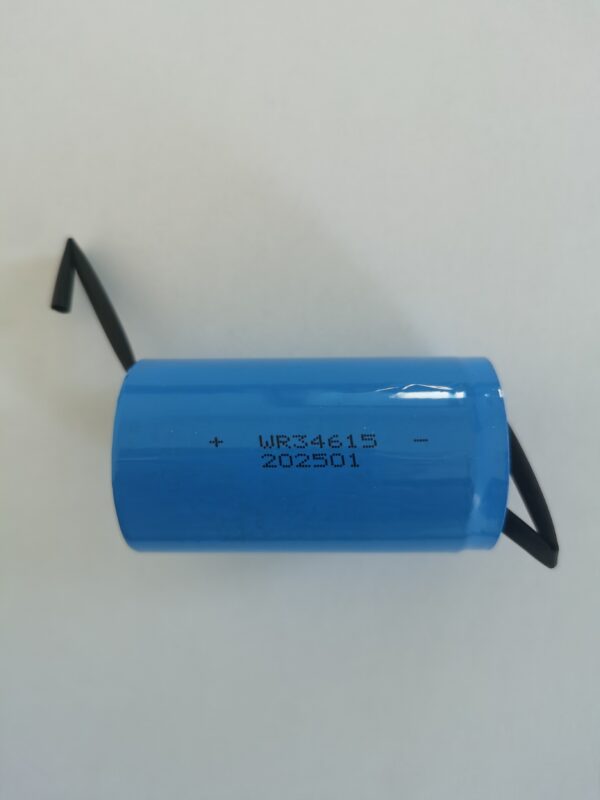
Custom Battery Pack for Scientific Research Equipment | OEM ODM
In the realm of scientific research, precision and reliability are not merely goals; they are prerequisites. Whether deploying remote environmental sensors in the Arctic, powering autonomous underwater vehicles for oceanographic studies, or sustaining long-term data loggers in geological monitoring, the power source is the heartbeat of the equipment. A failure in power supply can mean the loss of months of critical data. For engineers and technical procurement specialists sourcing power solutions for scientific instrumentation, the choice of battery technology is a strategic decision. This article explores the critical role of custom lithium metal primary battery packs and how OEM/ODM partnerships ensure operational integrity for high-stakes research equipment.
The Critical Role of Lithium Metal Primary Batteries in Science
Scientific equipment often operates in environments where recharging is impossible or impractical. Unlike consumer electronics, research devices may need to function autonomously for years without maintenance. This is where lithium metal primary batteries distinguish themselves from rechargeable lithium-ion counterparts.
Lithium primary chemistries, such as Lithium Thionyl Chloride (Li-SOCl2) and Lithium Manganese Dioxide (Li-MnO2), offer exceptional energy density, often exceeding 500 Wh/kg. More importantly, they exhibit an extremely low self-discharge rate, typically less than 1% per year. For a research project spanning five years in a remote location, this shelf life ensures that the battery delivers consistent voltage until the end of its cycle, preventing data corruption caused by voltage drops. Furthermore, these batteries operate reliably across extreme temperature ranges, from -55°C to +85°C, making them ideal for harsh scientific field conditions.
Customization Capabilities: OEM and ODM Solutions
Off-the-shelf battery solutions rarely fit the unique mechanical and electrical constraints of specialized scientific instruments. This is where a robust OEM (Original Equipment Manufacturer) and ODM (Original Design Manufacturer) partnership becomes essential. Custom battery packs are engineered to match the specific footprint, voltage requirements, and discharge profiles of the research equipment.
1. Voltage and Capacity Tailoring
Scientific sensors often require specific voltage rails that standard cylindrical cells cannot provide directly. Through series and parallel configurations, custom packs can deliver precise voltage outputs (e.g., 3.6V, 7.2V, 14.4V) and capacities tailored to the device’s power consumption profile. Pulse capability is another critical factor; some telemetry equipment requires high current pulses for data transmission. Custom packs can integrate hybrid layer capacitors or specific cell designs to handle these pulses without voltage depression.
2. Mechanical Form Factor and Integration
Space within scientific housings is often at a premium. ODM services allow for the design of bespoke battery shapes, including prismatic or custom-shaped packs that maximize the available volume within the equipment casing. This includes custom wiring harnesses, connectors (e.g., Molex, JST, or military-spec connectors), and potting compounds to ensure vibration resistance and waterproofing (IP67/IP68 ratings).
3. Smart Monitoring and Safety
While primary batteries do not require charging management, integrating simple protection circuits or fuel gauges can provide researchers with accurate remaining capacity data. This telemetry allows for proactive maintenance planning before deployment or retrieval. Safety is paramount; custom packs include PTC resistors and fuses to prevent thermal runaway in case of external short circuits, ensuring the safety of both the equipment and the environment.
Quality Assurance and Data Integrity
For technical procurement managers, consistency is key. In scientific research, variable battery performance can introduce noise into data sets. Reputable manufacturers implement rigorous quality control systems, such as ISO 9001 standards, to ensure every cell and pack meets strict performance criteria. This includes capacity grading, impedance matching, and aging tests. When sourcing from a reliable partner, engineers can view the full range of available chemistries and specifications at https://cnsbattery.com/primary-battery/, ensuring the selected technology aligns with the project’s technical demands.
Navigating the Supply Chain for Research Projects
Lead times and supply chain stability are crucial for research grants and project timelines. An effective OEM partner provides transparent communication regarding production schedules and material sourcing. Given the specialized nature of lithium metal cells, securing a long-term supply agreement ensures that future phases of a research project are not delayed by component shortages.
Conclusion
Powering scientific research equipment requires more than just a battery; it demands a tailored energy solution that guarantees reliability, longevity, and safety. By leveraging custom OEM/ODM services, research institutions and equipment manufacturers can optimize their designs for peak performance. Whether you are developing next-generation environmental monitors or deep-sea exploration tools, partnering with a specialized battery provider is a strategic investment in data integrity.
For detailed technical consultations or to discuss your specific project requirements, our engineering team is ready to assist. Please reach out to us via our contact page at https://cnsbattery.com/primary-battery-contact-us/ to initiate your custom battery pack development today.
