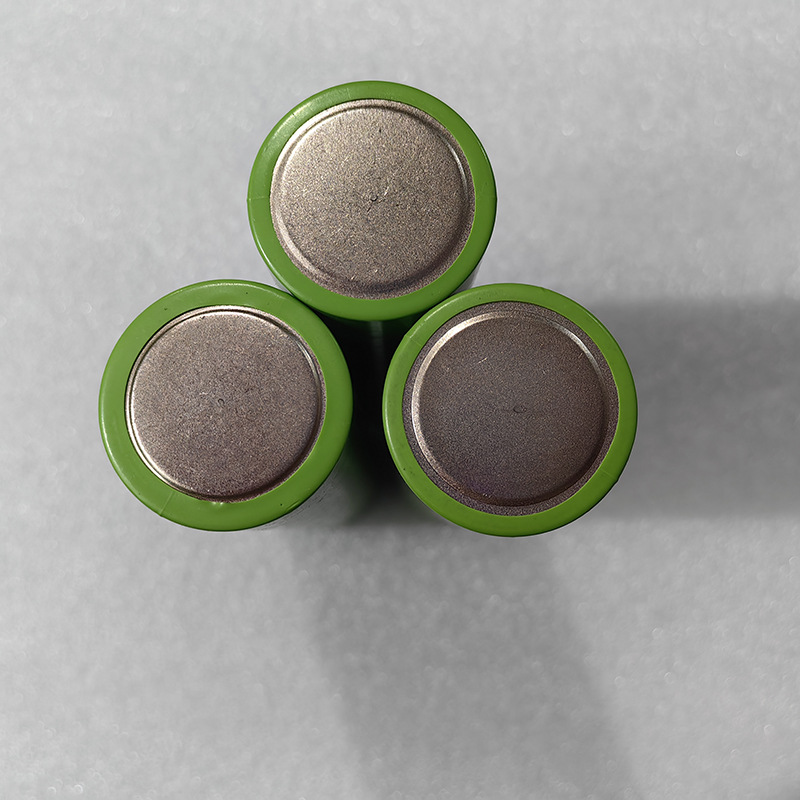

Confused About Lithium Thionyl Chloride Battery Tech? Unlock the Ultimate Guide
In the intricate world of battery technology, lithium thionyl chloride (\(Li – SOCl_2\)) batteries have garnered significant attention due to their unique characteristics and wide – ranging applications. If you’re confused about the technology behind these batteries and are eager to unlock the ultimate guide, CNS BATTERY is here to lead you through the key aspects. Contact our business director, Amy, at amy@cnsbattery.com for in – depth technical consultations. You can also visit our solutions page to explore our high – quality lithium thionyl chloride battery products.
Fundamental Working Principle
Electrochemical Reaction Basics
At the heart of a lithium thionyl chloride battery lies a fascinating electrochemical reaction. The anode is made of lithium, which is a highly reactive metal with a strong tendency to lose electrons. The cathode consists of thionyl chloride (\(SOCl_2\)), which also serves as the electrolyte. During the discharge process, lithium atoms at the anode release electrons and form lithium ions (\(Li^+\)). These lithium ions move through the electrolyte towards the cathode. At the cathode, thionyl chloride reacts with the electrons and lithium ions, producing lithium chloride (\(LiCl\)), sulfur (\(S\)), and sulfur dioxide (\(SO_2\)). The overall chemical reaction can be represented as: \(4Li + 2SOCl_2 → 4LiCl + S + SO_2\). This exothermic reaction generates an electric current, providing power to the connected device.
Voltage and Energy Output
Lithium thionyl chloride batteries typically offer a high – voltage output, usually around 3.6 volts. This relatively high voltage is advantageous in many applications as it can directly power devices that require a specific voltage level. Moreover, the energy output of these batteries is substantial due to the high energy density of the lithium – thionyl chloride system. The high energy density allows the battery to store a large amount of energy in a relatively small and lightweight package, making it suitable for applications where space and weight are critical factors.
Key Technological Components
Anode Materials and Design
The choice of anode material in a lithium thionyl chloride battery is crucial. Lithium metal is the standard anode material due to its high theoretical specific capacity. However, the design of the anode can also impact the battery’s performance. For example, the use of nanostructured lithium can increase the surface area available for the electrochemical reaction, leading to improved battery kinetics. Additionally, the anode’s thickness and porosity are carefully optimized to ensure efficient ion transfer and prevent issues such as dendrite formation, which can cause short – circuits in the battery.
Cathode and Electrolyte Considerations
The cathode, which is thionyl chloride in this case, plays a dual role as both the cathode material and the electrolyte. Thionyl chloride has a high theoretical capacity and can support a high – energy – density battery system. However, it is a highly reactive and corrosive substance. To mitigate the potential risks, CNS BATTERY uses advanced separator materials to prevent direct contact between the anode and the cathode, while still allowing the smooth flow of lithium ions. These separator materials are designed to be chemically stable in the presence of thionyl chloride and can withstand the harsh electrochemical environment inside the battery. You can find more details about our separator technologies on our solutions page.
Performance Optimization Technologies
Temperature Compensation
Lithium thionyl chloride batteries are known to be sensitive to temperature changes. At low temperatures, the electrochemical reaction rate slows down, leading to a decrease in battery performance. To address this issue, CNS BATTERY has developed temperature – compensation technologies. These technologies involve the use of temperature – sensitive additives in the electrolyte or the implementation of intelligent battery management systems. The temperature – sensitive additives can adjust the electrolyte’s conductivity based on the ambient temperature, ensuring that the battery maintains a stable performance over a wide temperature range. The battery management system can also monitor the temperature and adjust the charging and discharging parameters accordingly.
Self – Discharge Minimization
Self – discharge is another factor that can affect the long – term performance of lithium thionyl chloride batteries. To minimize self – discharge, CNS BATTERY focuses on improving the purity of the materials used in the battery. High – purity lithium and thionyl chloride can reduce the occurrence of side reactions that cause self – discharge. Additionally, the use of advanced sealing technologies can prevent the ingress of moisture and other contaminants, which can also contribute to self – discharge.
Application – Specific Technological Adaptations
Military and Aerospace Applications
In military and aerospace applications, lithium thionyl chloride batteries are often required to operate in extreme conditions. For example, they need to withstand high – g forces during takeoff and landing in aerospace applications and provide reliable power in harsh environmental conditions in military operations. CNS BATTERY has developed specialized manufacturing processes to ensure that our batteries can meet these demanding requirements. Our batteries are designed to be shock – resistant, vibration – resistant, and have a high – degree of environmental stability.
Industrial and Remote Sensing Applications
In industrial and remote sensing applications, long – term reliability and low – maintenance operation are crucial. Lithium thionyl chloride batteries are well – suited for these applications due to their long – shelf life and high energy density. For instance, in oil and gas pipelines, these batteries can power sensors for years without the need for frequent replacements. To further enhance their performance in these applications, CNS BATTERY offers custom – designed battery packs with integrated power management systems. These systems can optimize the battery’s performance based on the specific needs of the application, such as adjusting the power output according to the sensor’s duty cycle.
Future Technological Developments
Solid – State Electrolyte Exploration
One of the emerging trends in lithium thionyl chloride battery technology is the exploration of solid – state electrolytes. Traditional liquid – based electrolytes, such as thionyl chloride, have some limitations, including the risk of leakage and flammability. Solid – state electrolytes offer the potential to overcome these issues. They can provide better safety, higher energy density, and improved long – term stability. CNS BATTERY is actively involved in research and development efforts to explore the use of solid – state electrolytes in lithium thionyl chloride batteries.
Nanotechnology Integration
Nanotechnology has the potential to revolutionize lithium thionyl chloride battery technology. By using nanomaterials in the anode, cathode, and separator, it is possible to improve the battery’s performance in multiple ways. For example, nanoscale lithium particles can increase the reaction rate, while nanostructured separator materials can enhance the battery’s safety and performance. In the future, we can expect to see more widespread integration of nanotechnology in lithium thionyl chloride batteries, leading to significant improvements in energy density, cycle life, and overall performance.
In conclusion, if you’ve been confused about the technology of lithium thionyl chloride batteries, understanding the fundamental working principle, key technological components, performance optimization techniques, application – specific adaptations, and future developments is the key to unlocking the ultimate guide. Contact CNS BATTERY today to learn more about how our advanced lithium thionyl chloride battery technologies can meet your specific needs.