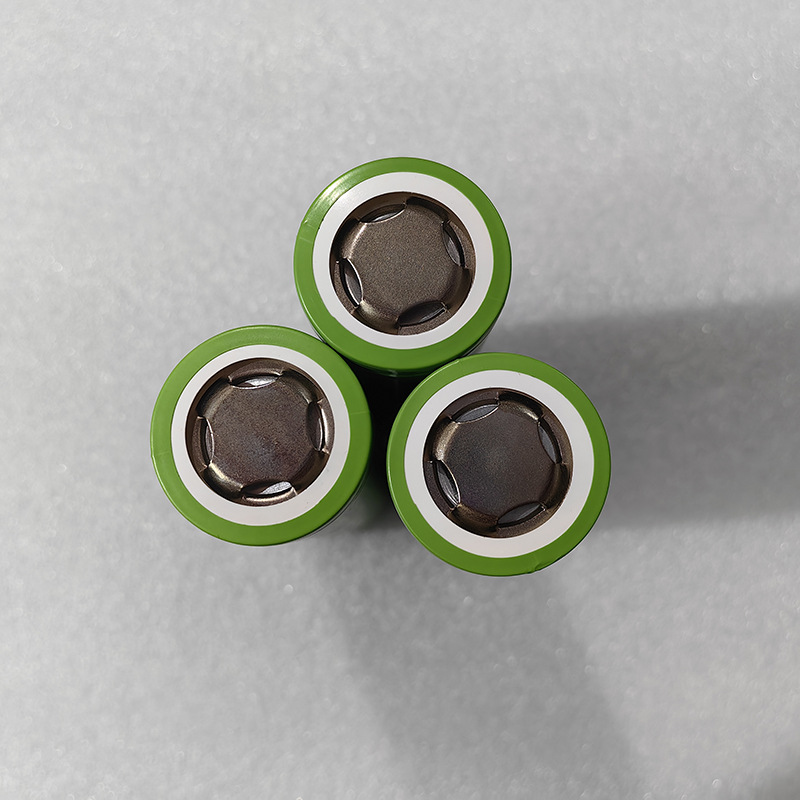
Complete UN38.3 UL CE Certified Solution for EV Using High-Quality 18650 LFP Cells B2B Export
When sourcing cylindrical lithium-ion cells for Electric Vehicles (EVs), the primary challenge for global engineers and procurement managers is balancing high performance with rigorous international safety standards. The market is flooded with options, but few manufacturers can guarantee a seamless B2B export solution that combines high-quality 18650 Lithium Iron Phosphate (LFP) chemistry with the necessary UN38.3, UL, and CE certifications required for global logistics and compliance. This guide provides a technical deep dive into constructing a reliable EV power system using industrial-grade 18650 LFP cells, ensuring your product meets safety mandates while achieving optimal energy density.
Understanding the Core Chemistry: Why 18650 LFP for EV?
Before diving into certifications, it is crucial to understand why Lithium Iron Phosphate (LFP) chemistry housed in the 18650 form factor remains a preferred choice for specific EV applications, despite the rise of larger formats like 21700.
The 18650 cell, measuring 18mm in diameter and 65mm in length, is an industry standard. When combined with LFP (Iron Phosphate) chemistry, it offers distinct advantages over traditional NMC (Nickel Manganese Cobalt) formulations, particularly for B2B and industrial EV segments.
Technical Advantages of LFP Chemistry:
- Thermal Stability: LFP cells have a much higher thermal runaway threshold compared to NMC. This inherent stability is vital for EV applications where ambient temperatures fluctuate.
- Cycle Life: LFP chemistry typically supports 2000-3000+ charge cycles, significantly outlasting standard NMC cells. This translates to a longer operational lifespan for the vehicle.
- Safety Profile: The chemistry is non-toxic and does not contain cobalt, making it safer and more environmentally friendly.
For manufacturers seeking a robust, long-lasting, and safe solution, high-quality 18650 LFP cells are the cornerstone of a reliable EV battery pack.
The Certification Trifecta: UN38.3, UL, and CE
For a B2B export solution to be viable, the cells must pass three critical certification hurdles. These are not merely paperwork; they are technical validations of the cell’s safety and reliability.
1. UN38.3 (United Nations Manual of Tests)
This is the mandatory standard for the transport of dangerous goods. If you are exporting batteries, UN38.3 compliance is non-negotiable. It tests the cell’s ability to withstand the stressors of air, sea, and land transport.
- Key Tests: Altitude simulation (low pressure), thermal test (extreme heat/cold), vibration, shock, and external short circuit.
- Engineering Impact: A cell that passes UN38.3 ensures that your shipment will not be held up at customs and that the cells will not rupture or leak during transit.
2. UL Certification (Underwriters Laboratories)
UL standards, such as UL 1642 for lithium batteries, are globally recognized safety certifications. For EV applications, this often extends to UL 2580 for electric vehicle battery systems.
- Key Tests: Overcharge, forced discharge, crush test, nail penetration, and heating.
- Engineering Impact: UL certification provides the “safety seal” that insurance companies and regulatory bodies require. It proves the cell will not catch fire or explode under fault conditions.
3. CE Marking (Conformité Européene)
For entry into the European market, CE marking is essential. It indicates conformity with health, safety, and environmental protection standards for products sold within the European Economic Area (EEA).
- Key Requirements: Compliance with the Low Voltage Directive (LVD) and the Electromagnetic Compatibility (EMC) Directive.
- Engineering Impact: Without CE marking, your EV product cannot be legally sold or operated in Europe.
System Integration: From Cell to Pack
Selecting the cell is only the first step. The transition from a single 18650 LFP cell to a complete EV battery system requires meticulous engineering to maintain the integrity of the certifications.
1. Battery Management System (BMS)
A high-quality 18650 LFP cell requires a BMS specifically tuned for its voltage curve and thermal characteristics. The BMS must monitor individual cell voltage, pack temperature, and current flow to prevent overcharging or deep discharging, which could void the safety certifications.
2. Mechanical Design and Thermal Management
The 18650 form factor allows for excellent thermal management due to the space between cylindrical cells in a module. For EV use, the mechanical housing must be designed to dissipate heat efficiently while protecting the cells from vibration and impact.
3. Customization for Application
Different EVs have different power demands. Whether it is a high-voltage system for a passenger vehicle or a high-current system for a heavy-duty e-bike, the configuration of the 18650 cells (series and parallel combinations) must be engineered to match the motor controller specifications.
Sourcing Strategy: Partnering with a Certified Manufacturer
Navigating the complexities of UN38.3, UL, and CE certifications requires a manufacturer with a proven track record in international compliance. As a leading Battery Manufacturer in China, we specialize in providing comprehensive cylindrical battery cells and customizable solutions for the global market.
Our engineering team works closely with B2B clients to ensure that the selected 18650 LFP cells are not just standalone components, but certified building blocks for a safe and reliable EV system. We understand that your reputation depends on the reliability of your power source.
Key Advantages of Our Solution:
- Certified Quality: Full documentation and testing reports available for UN38.3, UL, and CE standards.
- High Energy Density: Our cells are optimized to maximize energy storage within the 18650 format.
- Custom Engineering: From the cell chemistry to the final pack configuration, we offer tailored solutions.
If you are ready to build your next-generation EV with a partner that guarantees compliance and quality, explore our range of industrial battery solutions.
For technical consultation or to request a sample of our certified 18650 LFP cells, please visit our Product Center. To discuss your specific EV project requirements with our engineering team, please Contact Us directly.