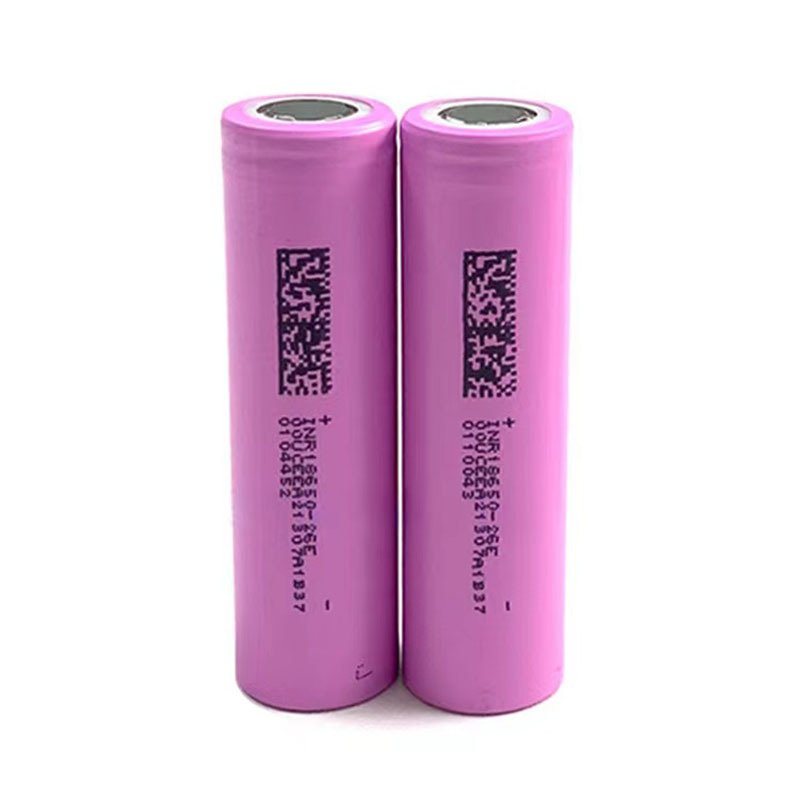
Complete Sustainability & Carbon Footprint Solution for E-bike Using High-Quality 18650 LFP Cells Ultimate Guide
The global e-mobility sector is undergoing a paradigm shift. As we advance into 2026, the focus has moved beyond mere performance metrics to encompass comprehensive sustainability and carbon footprint management. For B2B stakeholders, including manufacturers, distributors, and fleet operators, selecting the right battery chemistry is no longer just a technical decision—it is a strategic compliance and branding imperative. This guide outlines a complete sustainability solution for e-bikes utilizing high-quality 18650 LFP (Lithium Iron Phosphate) cells, detailing technical advantages, regulatory compliance, and procurement strategies.
The Strategic Advantage of 18650 LFP Chemistry
The 18650 cylindrical form factor remains an industry standard due to its mature manufacturing ecosystem and mechanical robustness. However, the shift from NCM (Nickel Cobalt Manganese) to LFP chemistry is the cornerstone of modern sustainability strategies. LFP cells eliminate the need for cobalt and nickel, two materials associated with significant ethical mining concerns and high embedded carbon emissions during extraction.
From a technical perspective, LFP offers superior thermal stability, reducing the risk of thermal runaway and enhancing safety profiles for urban commuters. More critically for sustainability, LFP cells typically deliver 2,000 to 5,000 full charge cycles, significantly outperforming standard NCM variants. This extended lifecycle means fewer battery replacements over the e-bike’s lifetime, directly reducing waste generation and the carbon footprint associated with manufacturing new packs. For B2B buyers evaluating long-term total cost of ownership (TCO), this durability translates into lower operational costs and a stronger green credential.
Calculating and Reducing Carbon Footprint
A complete sustainability solution requires a lifecycle approach. The carbon footprint of an e-bike battery encompasses raw material extraction, cell manufacturing, transportation, usage, and end-of-life recycling.
- Manufacturing Efficiency: High-quality cells are produced in facilities utilizing renewable energy sources. When sourcing components, verifying the energy mix of the production plant is essential.
- Transport Optimization: The 18650 form factor allows for dense packing, optimizing logistics volume and reducing transportation emissions per watt-hour.
- Recyclability: LFP chemistry is increasingly compatible with direct recycling methods, allowing materials to be recovered with lower energy input compared to hydrometallurgical processes used for NCM.
To meet the stringent requirements of the EU Battery Regulation (2023/1542), which mandates carbon footprint declarations for industrial and EV batteries, partners must ensure traceability throughout the supply chain. Documentation regarding the carbon intensity of production is now a mandatory deliverable for market access in Europe.
Compliance and Safety Standards
Navigating the regulatory landscape is critical for overseas distribution. Beyond carbon declarations, safety and transport compliance are non-negotiable. All 18650 LFP cells must comply with UN38.3 for transportation safety, ensuring they can withstand vibration, temperature changes, and shock without hazard. Additionally, IEC 62133 standards certify safety for portable applications.
For B2B importers, ensuring that the battery manufacturer provides full compliance documentation is vital to avoid customs delays or legal liabilities. The shift towards digital battery passports means that data regarding chemical composition and carbon footprint must be accurate and verifiable. Partnering with established manufacturers who understand these regulatory frameworks is the most effective risk mitigation strategy.
Procurement Points for B2B Buyers
When sourcing 18650 LFP cells for sustainable e-bike solutions, procurement teams should focus on three core areas: consistency, capacity verification, and supplier transparency.
- Cell Consistency: In a battery pack, the weakest cell dictates performance. High-quality manufacturing ensures minimal variance in capacity and internal resistance across batches, extending pack life.
- Capacity Verification: Ensure rated capacity matches actual discharge performance under standard conditions. Overstated specifications lead to premature failure and increased waste.
- Supplier Verification: Not all manufacturers possess the technical capability to produce high-cycle LFP cells reliably. Due diligence should include factory audits and review of quality management systems (ISO 9001).
For companies seeking reliable supply chains, identifying verified battery manufacturers in China is a crucial step. China remains the hub for cylindrical cell production, but distinguishing between tier-1 quality and generic assembly is key to maintaining product integrity.
Implementation Case Study
Consider a European e-bike fleet operator aiming to reduce their Scope 3 emissions. By switching from standard NCM packs to high-quality 18650 LFP configurations, they achieved a 30% reduction in replacement frequency over a three-year period. The initial investment was comparable, but the reduced waste disposal costs and compliance with emerging carbon taxes resulted in a 15% improvement in overall margin. Furthermore, the use of cobalt-free cells enhanced their brand image among eco-conscious consumers.
To replicate this success, businesses must integrate sustainable cell selection into their initial design phase. Accessing detailed specifications for cylindrical battery cells allows engineering teams to model performance and sustainability metrics accurately before mass production.
Conclusion
The transition to high-quality 18650 LFP cells is more than a technical upgrade; it is a comprehensive sustainability solution that addresses carbon footprint, regulatory compliance, and long-term economic viability. For B2B stakeholders, the path forward involves rigorous supplier selection, adherence to global safety standards, and a commitment to lifecycle management.
As the industry evolves, partnership with knowledgeable suppliers becomes essential. For further consultation on integrating these solutions into your product line or to discuss specific compliance requirements, please reach out via our contact page. By prioritizing quality and sustainability today, businesses can secure their position in the green economy of tomorrow.