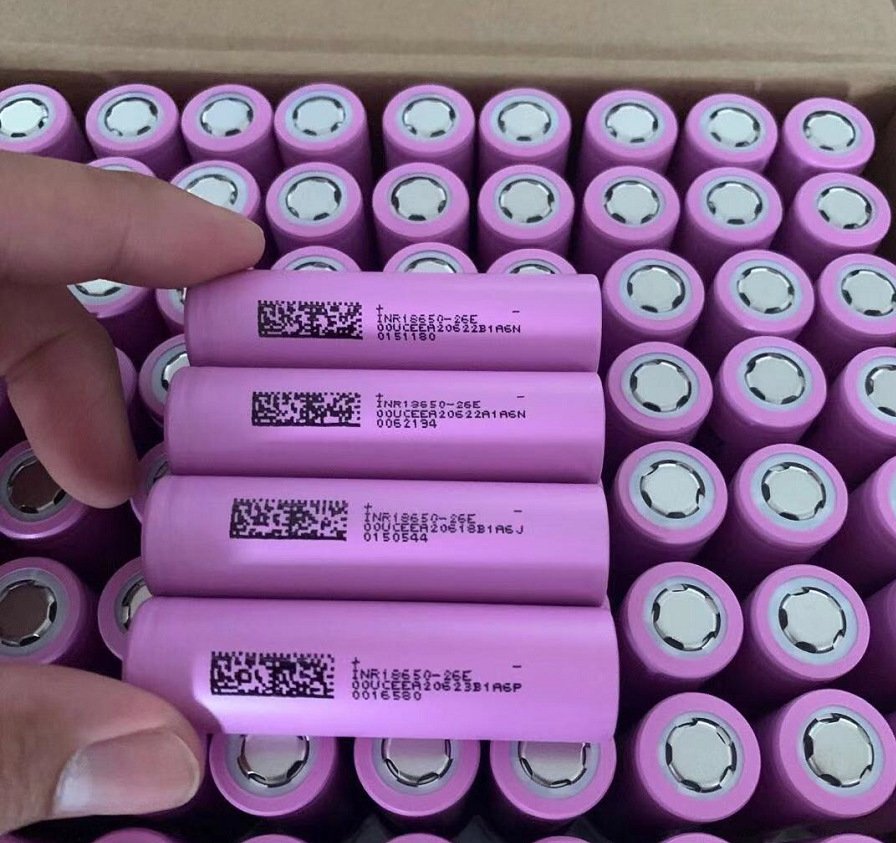
Complete Sample Test Report Solution for EV Using High-Quality 32700 NCM Cells Ideal for Manufacturers
The electric vehicle (EV) industry demands battery solutions that balance performance, safety, and regulatory compliance. For manufacturers seeking reliable power sources, 32700 NCM (Nickel-Cobalt-Manganese) cylindrical cells represent a compelling choice. This comprehensive test report solution outlines critical parameters, testing methodologies, and compliance frameworks essential for EV manufacturers targeting global markets in 2026.
Key Performance Parameters of 32700 NCM Cells
The 32700 form factor (32mm diameter × 70mm length) delivers exceptional energy density compared to traditional cylindrical cells. High-quality NCM chemistry typically provides:
- Nominal Capacity: 6,000-6,500mAh per cell
- Nominal Voltage: 3.6V-3.7V
- Energy Density: 220-260 Wh/kg
- Cycle Life: 1,500-2,000 cycles at 80% DOD
- Operating Temperature: -20°C to 60°C
- Maximum Continuous Discharge: 3C-5C rate
These specifications make 32700 NCM cells particularly suitable for light electric vehicles, e-mobility applications, and modular EV battery packs. Manufacturers can explore detailed specifications at CNS Battery’s cylindrical cell product page.
Comprehensive Testing Methodology
1. Performance Testing (IEC 62660-1)
Performance validation follows IEC 62660-1 standards for road electric vehicle propulsion lithium-ion cells:
- Capacity Verification: Measured at 0.5C discharge rate at 25°C ambient temperature
- Cycle Life Assessment: 500+ cycles with capacity retention above 80%
- Internal Resistance: AC impedance measurement at 1kHz, typically <15mΩ
- Rate Capability: Discharge performance at 1C, 3C, and 5C rates
2. Safety Testing (IEC 62660-3 & UN38.3)
Safety compliance is non-negotiable for EV applications. Essential tests include:
- Thermal Abuse: Heating to 130°C for 30 minutes without thermal runaway
- Overcharge Testing: 1.5C charge to 1.5× nominal voltage
- Short Circuit: External short with <5mΩ resistance
- Mechanical Integrity: Vibration, shock, and crush testing
- Transport Safety: UN38.3 certification covering altitude simulation, thermal cycling, vibration, shock, external short circuit, impact, overcharge, and forced discharge
3. Environmental Compliance Testing
For manufacturers targeting regulated markets, additional certifications are mandatory:
- EU Battery Regulation 2023/1542: Carbon footprint declaration, recycled content requirements
- Battery Passport: Digital documentation for batteries >2kWh (mandatory from 2026-2027)
- CE Marking: LVD 2014/35/EU and EMC 2014/30/EU compliance for European market access
- US DOT Compliance: Department of Transportation hazardous materials regulations
Quality Assurance Framework
Reliable manufacturers implement multi-stage quality control:
- Incoming Material Inspection: Raw material verification for cathode, anode, electrolyte
- In-Process Testing: Coating weight, electrode thickness, winding tension monitoring
- Final Cell Testing: 100% capacity grading, OCV measurement, leakage detection
- Batch Sampling: Destructive analysis for internal construction verification
Regional Compliance and Market Adaptability
Understanding地域-specific requirements is crucial for global EV manufacturers. CNS Battery maintains technical capabilities aligned with international standards:
European Union Compliance
EU manufacturers must adhere to the new Battery Regulation effective 2026. Key requirements include:
- Carbon footprint declaration per kWh
- Minimum recycled cobalt, lithium, and nickel content
- Battery passport with QR code traceability
- CE marking with technical documentation
United States Market Requirements
US-bound products require:
- DOT UN38.3 transport certification
- UL 2580 or UL 1973 safety standards
- State-specific regulations (California Title 13, etc.)
Technical Barrier Adaptation
Chinese battery manufacturers serving global markets must navigate varying technical barriers. CNS Battery’s manufacturing facilities maintain ISO 9001, IATF 16949, and ISO 14001 certifications, ensuring compatibility with automotive supply chain requirements. For partnership inquiries, visit CNS Battery’s contact page.
Why 32700 NCM Cells for EV Applications?
The 32700 form factor offers distinct advantages over alternative configurations:
- Higher Energy per Cell: Reduces total cell count and BMS complexity
- Improved Thermal Management: Larger surface area facilitates heat dissipation
- Cost Efficiency: Lower assembly costs compared to pouch or prismatic alternatives
- Proven Technology: Mature manufacturing processes with established supply chains
Manufacturers seeking verified Chinese battery suppliers can reference CNS Battery’s manufacturer credentials for supply chain validation.
Conclusion
Selecting the right battery cell is fundamental to EV success. High-quality 32700 NCM cells, backed by comprehensive test reports and international compliance certifications, provide manufacturers with confidence in performance, safety, and market accessibility. As 2026 brings stricter global battery regulations, partnering with suppliers who understand regional compliance requirements becomes increasingly critical.
For EV manufacturers targeting EU, US, or Asian markets, ensuring UN38.3, IEC 62660, and CE compliance from the cell level upward minimizes regulatory risk and accelerates time-to-market. The complete test report solution outlined here serves as a framework for evaluating potential battery suppliers and validating cell performance against application requirements.
This technical article is intended for engineering professionals and procurement specialists in the electric vehicle industry. All testing standards referenced are current as of 2026. Manufacturers should verify latest regulatory requirements before product certification.