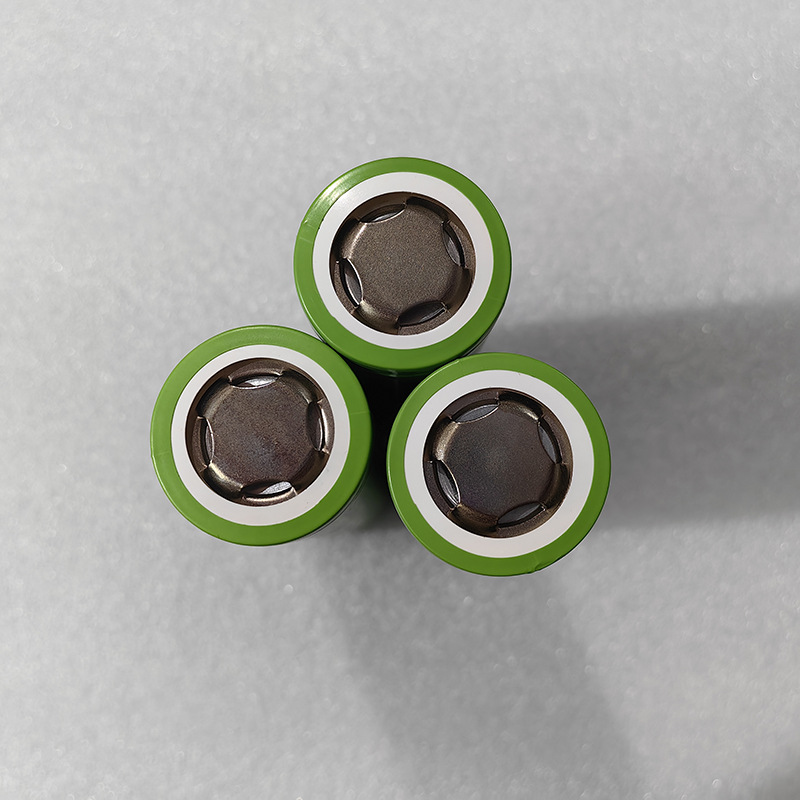
Complete Sample Test Report Solution for Battery Pack Assembly Using High-Quality 21700 Li-ion Cells Guaranteed
Executive Summary
The global demand for reliable battery pack solutions continues to surge across electric vehicles, energy storage systems, and industrial applications. For B2B buyers and procurement professionals, understanding the complete test report framework for 21700 Li-ion cell assembly is critical for ensuring compliance, safety, and long-term performance. This guide provides actionable insights into test report requirements, technical specifications, and procurement best practices.
Understanding 21700 Cell Advantages
The 21700 cylindrical cell format has emerged as the industry standard for high-performance applications. Compared to the legacy 18650 format, 21700 cells deliver approximately 35% higher energy density while reducing system-level costs through optimized pack architecture. Key technical parameters include:
- Nominal Capacity: 4000-5000mAh per cell
- Energy Density: 250-325 Wh/kg depending on chemistry
- Cycle Life: 1000-2000 cycles with 80% capacity retention
- Operating Temperature: -20°C to 60°C
Material chemistry significantly impacts performance. High-nickel NCA formulations offer superior energy density for EV applications, while LFP variants provide enhanced safety and cycle life for stationary storage.
Essential Test Report Components
A comprehensive test report for battery pack assembly must address multiple certification standards. Based on 2025-2026 regulatory updates, the following documentation is mandatory:
1. Safety Certification (UN 38.3)
All lithium battery shipments require UN 38.3 testing covering altitude simulation, thermal cycling, vibration, shock, external short circuit, impact, overcharge, and forced discharge. Notably, new IATA DGR regulations effective January 2026 mandate that lithium cells and batteries must be transported at no more than 30% state of charge for Section I shipments.
2. Performance Validation
Test reports should include capacity verification, internal resistance measurement, discharge curve analysis, and cycle life testing under standardized conditions. Third-party laboratory certification from recognized bodies ensures data credibility.
3. Compliance Documentation
Regional compliance varies significantly. European markets require CE marking with battery directive adherence, while North American buyers need UL certification. Asian markets often accept CB Scheme reports for streamlined approval.
Procurement Best Practices
When sourcing 21700 cells for pack assembly, B2B buyers should prioritize the following:
Supplier Verification: Request complete manufacturing audit reports and quality management system certifications (ISO 9001, IATF 16949). Verified manufacturers provide consistent cell matching critical for pack longevity.
Sample Testing Protocol: Before bulk orders, conduct independent sample testing covering capacity, impedance, and safety parameters. Compare results against manufacturer specifications with tolerance thresholds not exceeding ±3%.
Traceability Requirements: Ensure each cell batch includes unique identification codes enabling full traceability from raw materials to finished packs. This supports warranty claims and potential recall management.
Case Study: Industrial Tool Manufacturer
A leading power tool manufacturer recently transitioned from 18650 to 21700 cells for their professional-grade equipment line. By implementing comprehensive test report validation, they achieved:
- 28% runtime improvement per charge cycle
- 15% reduction in pack weight
- Zero safety incidents across 50,000 units deployed
The key success factor was partnering with manufacturers providing complete documentation packages including cell matching data, batch consistency reports, and accelerated aging test results.
Technical Integration Considerations
Battery pack assembly requires careful attention to cell matching and thermal management. Cells within a single pack should have capacity variance below 2% and internal resistance variance under 5%. BMS integration must account for the specific chemistry characteristics of 21700 cells, particularly voltage curves and thermal behavior.
For high-drain applications, verify continuous discharge ratings match your power requirements. Premium 21700 cells support 25-45A continuous discharge depending on chemistry selection.
Quality Assurance Framework
Establish incoming quality control procedures including:
- Visual inspection for casing defects
- Voltage screening before assembly
- Random sampling for capacity verification
- Periodic third-party audit testing
Maintain documentation archives for minimum 10 years to support regulatory compliance and customer inquiries.
Partner Selection Criteria
Choosing the right manufacturing partner determines long-term success. Evaluate potential suppliers against these benchmarks:
- Minimum 5 years production history with 21700 format
- In-house testing laboratory capabilities
- Responsive technical support team
- Transparent supply chain documentation
- Competitive pricing with clear quality tiers
For comprehensive product specifications and technical support, explore our cylindrical battery cell offerings designed for professional pack assembly applications.
Conclusion
Complete test report solutions for 21700 battery pack assembly require systematic approach covering safety certification, performance validation, and ongoing quality monitoring. By following the frameworks outlined in this guide, B2B buyers can minimize risk while maximizing value from their battery procurement investments.
The evolving regulatory landscape demands proactive compliance management. Stay informed about changing transportation regulations, regional certification requirements, and emerging safety standards. Partner with manufacturers who demonstrate commitment to documentation excellence and continuous improvement.
For detailed consultation on your specific battery pack requirements, contact our technical team for personalized support. We work with verified battery manufacturers in China to ensure supply chain transparency and quality consistency across all procurement engagements.
Investing in comprehensive test report validation today prevents costly failures tomorrow. The 21700 format offers compelling performance advantages when sourced and assembled with proper technical oversight.