Complete Perfect Cell Matching Solution for ESS Using High-Quality 32700 Lithium Ion Cylindrical Battery Cells Ultimate Guide
The energy storage system (ESS) market is experiencing unprecedented growth in 2026, driven by AI infrastructure demands and global energy transition initiatives. For B2B manufacturers and system integrators, achieving optimal performance hinges on one critical factor: perfect cell matching. This comprehensive guide explores how high-quality 32700 lithium ion cylindrical battery cells deliver superior ESS solutions through precise matching methodologies.
Why 32700 Cylindrical Cells Lead ESS Applications
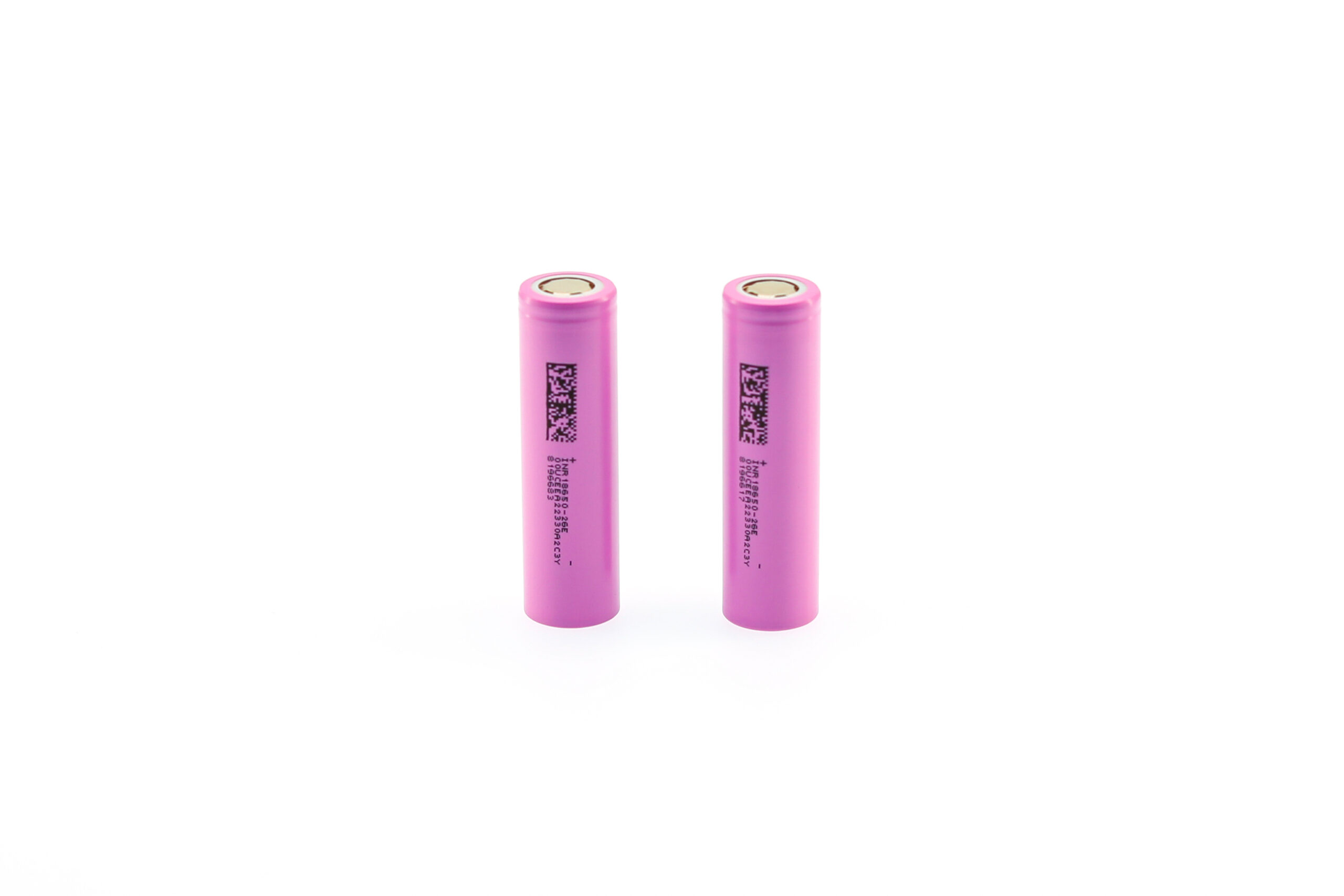
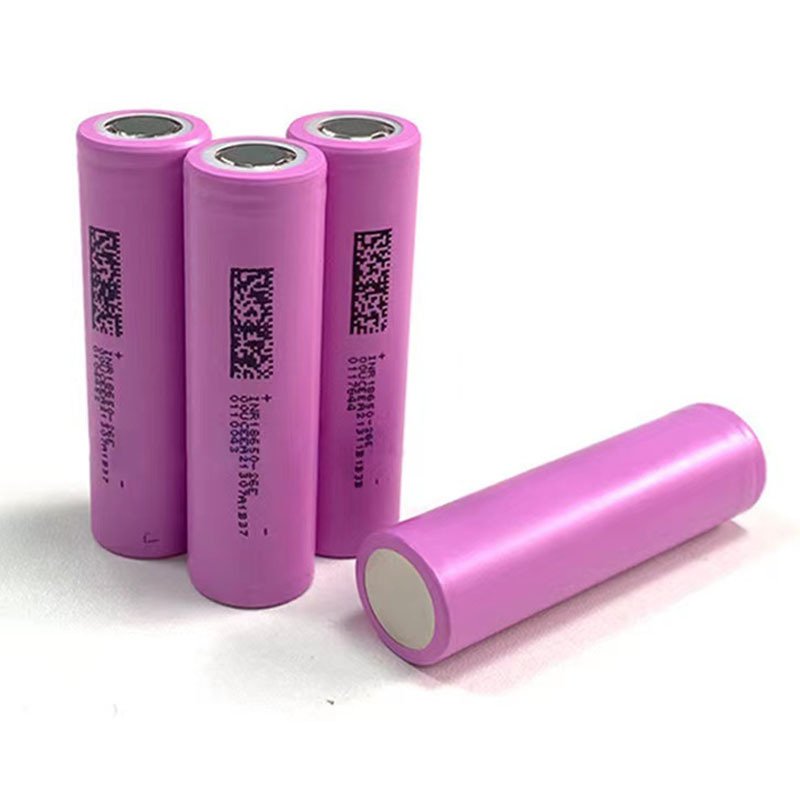
The 32700 specification (32mm diameter × 70mm height) has emerged as the industry standard for large-capacity cylindrical cells. With typical capacities ranging from 6000mAh to 6200mAh and LFP (Lithium Iron Phosphate) chemistry, these cells offer exceptional safety profiles and cycle life exceeding 6000 cycles. Standardized dimensions enable manufacturers to unify structural designs without additional mold adjustments, significantly reducing production costs while maintaining supply chain flexibility.
For enterprise clients seeking reliable ESS deployments, high-quality 32700 cylindrical battery cells provide the foundation for scalable energy storage solutions across residential and commercial applications.
Core Cell Matching Parameters for ESS Excellence
1. Capacity Consistency Testing
Premium cell matching begins with capacity validation within ±1% tolerance. Advanced testing equipment measures discharge capacity at standardized C-rates (typically 0.5C to 1C) under controlled temperature conditions (25±2°C). Cells exhibiting capacity deviations beyond specification thresholds are segregated to prevent premature pack failure caused by the “bucket effect.”
2. Voltage and Internal Resistance Matching
Initial voltage consistency must remain within 5mV across cell batches. Internal resistance (IR) matching proves equally critical, with acceptable variance not exceeding 2mΩ. Mismatched IR values create uneven current distribution during charge-discharge cycles, accelerating degradation in higher-resistance cells and compromising overall pack longevity.
3. Self-Discharge Rate Control
Self-discharge testing represents the most overlooked yet essential matching parameter. Quality 32700 cells demonstrate daily self-discharge rates below 15mAh. Cells with elevated self-discharge characteristics create voltage divergence over time, triggering BMS protection mechanisms that terminate charging prematurely or cut off discharge output. Extended static testing (144+ hours) identifies problematic cells before pack assembly.
Advanced BMS Integration for Matched Cell Performance
The Battery Management System (BMS) serves as the intelligence layer maximizing matched cell potential. Modern ESS deployments require BMS solutions featuring:
- Real-time monitoring of voltage, current, and temperature parameters
- Active balancing technology maintaining cell consistency throughout operational life
- SOC/SOH estimation algorithms providing accurate state reporting
- Thermal management preventing hot-spot formation and thermal runaway
According to 2025 industry reports, the global BMS market reached 8.92 billion RMB, with active balancing and EIS-based detection technologies becoming standard for advanced ESS applications. Proper cell matching reduces BMS balancing workload, extending system efficiency and reducing maintenance requirements.
Quality Assurance Protocols for B2B Partnerships
Enterprise clients must verify manufacturer credentials through comprehensive quality audits. Key validation points include:
- Certification compliance: UN38.3, CE, RoHS, IEC standards
- Production traceability: Batch-level tracking from raw materials to finished cells
- Testing documentation: Complete test reports for capacity, IR, and self-discharge
- Warranty terms: Minimum 5-10 year performance guarantees
Partnering with established battery manufacturers in China ensures access to production facilities meeting international quality standards with proven export capabilities.
Implementation Best Practices for ESS Deployments
Pre-Assembly Sorting
Implement multi-stage sorting procedures categorizing cells by capacity, voltage, and internal resistance. Group cells within narrow parameter bands before pack assembly to minimize initial mismatch.
Formation Cycling
Execute 3-5 formation cycles at moderate C-rates before final matching verification. This process stabilizes SEI layers and reveals latent defects not apparent in initial testing.
Environmental Conditioning
Store matched cells in controlled environments (15-25°C, 40-60% humidity) before assembly. Temperature extremes during storage accelerate self-discharge variance and compromise matching integrity.
Future-Proofing Your ESS Investment
The 2026储能 industry outlook indicates strong growth trajectories driven by grid congestion relief and renewable energy integration. Cell matching excellence positions ESS deployments for:
- Extended operational life reducing total cost of ownership
- Enhanced safety margins meeting evolving regulatory requirements
- Scalable architecture supporting future capacity expansions
- Predictable performance enabling accurate energy yield forecasting
Partner with Proven ESS Cell Suppliers
Achieving perfect cell matching requires collaboration with experienced manufacturers possessing advanced testing capabilities and quality management systems. Our team specializes in 32700 cylindrical cell production with comprehensive matching services tailored for ESS applications.
For detailed technical specifications, customization options, or partnership inquiries, contact our professional team to discuss your ESS project requirements. We provide end-to-end support from cell selection through system integration, ensuring your energy storage deployments achieve optimal performance and reliability.
Perfect cell matching transforms good ESS designs into exceptional operational assets. By prioritizing quality 32700 lithium ion cylindrical cells with rigorous matching protocols, B2B clients secure competitive advantages in the rapidly evolving energy storage marketplace.