

Complete OEM Customization Solution for UAV Using High-Quality 60130 Li-ion Cells: 2026 Buyer’s Guide
The unmanned aerial vehicle (UAV) industry continues to experience rapid expansion in 2026, with commercial applications spanning agriculture, logistics, surveillance, and emergency response. At the heart of every high-performance UAV lies a critical component: the battery system. For OEMs and system integrators seeking reliable power solutions, 60130 Li-ion cylindrical cells have emerged as a preferred choice for medium to large-scale drone platforms. This buyer’s guide provides practical insights for sourcing, customization, and compliance considerations.
Understanding 60130 Li-ion Cell Specifications
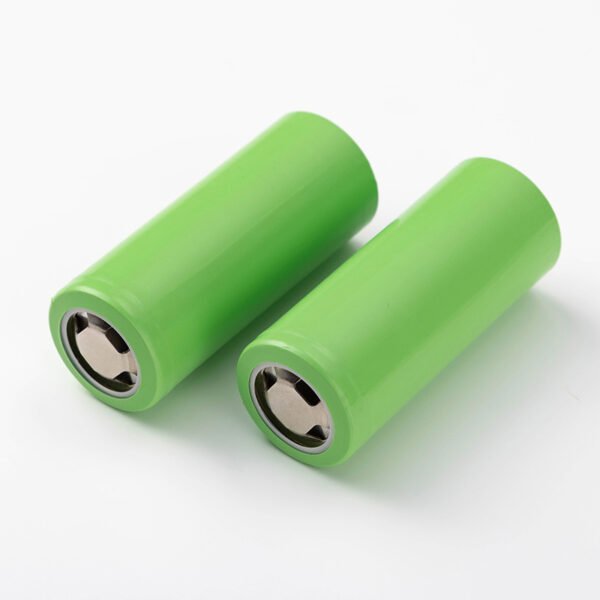
The 60130 designation refers to cylindrical lithium-ion cells with approximately 60mm diameter and 130mm height. This form factor offers an optimal balance between energy density and thermal management capabilities. Typical specifications include:
- Nominal Capacity: 12,000-15,000mAh depending on chemistry
- Voltage Range: 3.6V-3.7V nominal, 4.2V maximum
- Continuous Discharge: 3C-5C for standard applications, up to 10C for high-drain UAV operations
- Operating Temperature: -20°C to 60°C for aviation-grade cells
- Cycle Life: 500-1,000 cycles at 80% depth of discharge
For UAV applications, the 60130 format provides superior volumetric efficiency compared to smaller cylindrical cells while maintaining better heat dissipation than large pouch cells. This makes them particularly suitable for extended-flight commercial drones requiring 30-60 minute operational windows.
OEM Customization Considerations
When partnering with battery manufacturers for UAV solutions, several customization parameters require careful attention:
1. Cell Chemistry Selection
NMC (Nickel Manganese Cobalt) chemistry remains dominant for UAV applications due to its high energy density. However, LFP (Lithium Iron Phosphate) options are gaining traction for applications prioritizing safety and cycle life over weight. Discuss your specific mission profiles with manufacturers to determine optimal chemistry.
2. Battery Management System (BMS) Integration
A robust BMS is non-negotiable for aviation applications. Ensure your OEM partner provides BMS solutions with:
- Cell balancing capabilities
- Over-current and short-circuit protection
- Temperature monitoring with thermal runaway prevention
- Communication protocols (CAN bus, RS485, or SMBus)
- State-of-charge accuracy within ±3%
3. Mechanical Integration
UAV battery packs must withstand vibration, shock, and varying atmospheric conditions. Request customization for:
- Housing materials (aviation-grade aluminum or composite)
- Connector types compatible with your drone platform
- Mounting interface specifications
- IP rating requirements (IP54 minimum for outdoor operations)
Compliance and Certification Requirements
International UAV operators must navigate complex regulatory landscapes. Battery suppliers should support compliance with:
- UN38.3: Mandatory for lithium battery transportation
- IEC 62133: Safety standards for portable battery applications
- UL 2054/UL 1642: North American safety certifications
- CE/ROHS: European market requirements
- FAA/EASA: Aviation-specific guidelines where applicable
Reputable manufacturers maintain documentation trails and testing reports for all certifications. Request complete compliance packages before finalizing procurement agreements.
Procurement Best Practices for 2026
Supplier Qualification
Evaluate potential partners based on manufacturing capabilities, quality control systems, and track record in aviation applications. Established manufacturers with ISO 9001 certification and dedicated UAV battery divisions offer reduced risk profiles. You can explore verified battery manufacturers in China that specialize in cylindrical cell solutions for drone applications.
Quality Assurance
Request sample batches for independent testing before volume orders. Key tests include:
- Capacity verification at rated discharge rates
- Internal resistance consistency across cells
- Thermal performance under load
- Cycle life validation
Supply Chain Stability
The 2026 market continues experiencing raw material volatility. Secure long-term supply agreements with manufacturers maintaining raw material reserves. Discuss lead times explicitly—quality 60130 cells typically require 4-8 weeks for customized orders.
Pricing Structure
Expect price ranges of $8-15 per cell depending on volume, specifications, and certification requirements. Volume discounts typically apply at 1,000+ unit orders. Factor in total cost of ownership including BMS, housing, and integration support.
Case Study: Agricultural UAV Deployment
A European agricultural drone operator recently transitioned to 60130-based battery systems for their crop-spraying UAV fleet. Working with a specialized OEM partner, they achieved:
- 45% increase in flight time per charge
- 30% reduction in battery replacement costs over 2 years
- Full compliance with EU aviation battery regulations
- Customized quick-swap battery housing for field operations
The key success factor was early collaboration between the drone manufacturer and battery supplier during the design phase, ensuring optimal integration from the outset. For detailed product specifications on cylindrical battery cells suitable for UAV applications, visit their cylindrical battery cell product range.
Technical Support and After-Sales Considerations
Quality OEM partnerships extend beyond initial procurement. Evaluate suppliers on:
- Technical documentation availability (MSDS, test reports, integration guides)
- Warranty terms (typically 12-24 months for aviation applications)
- Replacement and repair policies
- Engineering support for integration challenges
Establish clear communication channels for ongoing support. Reputable manufacturers provide dedicated account managers for B2B clients with volume commitments.
Conclusion
The 60130 Li-ion cell format represents a mature, reliable solution for commercial UAV applications in 2026. Success depends on selecting qualified OEM partners who understand aviation requirements, maintain rigorous quality standards, and provide comprehensive customization support. Prioritize suppliers with proven track records, complete certification documentation, and responsive technical support teams.
For organizations evaluating battery solutions for UAV platforms, thorough due diligence during supplier selection pays dividends in operational reliability and total cost of ownership. The investment in quality battery systems directly translates to mission success, regulatory compliance, and competitive advantage in the expanding commercial drone market.
Ready to discuss your specific UAV battery requirements? Contact qualified manufacturers directly to begin customization discussions. You can reach out through this contact page to initiate conversations about your project specifications and timeline.
This guide reflects market conditions and best practices as of March 2026. Specifications and requirements may vary by region and application. Always verify current regulations and standards with relevant authorities before procurement decisions.


