Complete Low Temperature Performance Solution for UAV Using High-Quality 32800 Li-ion Cells Complete Solution
Unmanned Aerial Vehicles (UAVs) are increasingly deployed in extreme environments, ranging from high-altitude surveillance to polar logistics. However, low-temperature operation remains one of the most critical challenges for lithium-ion battery systems. Standard cells suffer from increased internal impedance, reduced discharge capacity, and the risk of lithium plating when operating below -20°C. For technical purchasers and engineers designing next-generation drones, a robust power solution is not optional—it is a mission-critical requirement. This article details a complete low-temperature performance solution centered around high-quality 32800 Li-ion cells, offering a balance of energy density, thermal stability, and structural integrity.
1. Electrolyte Optimization and Cell Chemistry
The fundamental limitation of lithium-ion batteries in cold weather lies in the electrolyte. At low temperatures, conventional carbonate-based electrolytes increase in viscosity, slowing down lithium-ion migration between the cathode and anode. To address this, our solution utilizes 32800 cylindrical cells engineered with low-temperature electrolyte formulations.
Research indicates that modifying salt concentrations and solvent ratios can significantly lower the freezing point of the electrolyte. By incorporating additives that stabilize the Solid Electrolyte Interphase (SEI) layer, we reduce impedance rise during cold cranking. High-quality 32800 cells are designed to maintain over 85% of their nominal capacity at -20°C, ensuring that UAVs retain flight time and payload capacity even in freezing conditions. This chemical stability is crucial for preventing voltage sag under high discharge loads typical in drone propulsion.
2. Thermal Management and BMS Integration
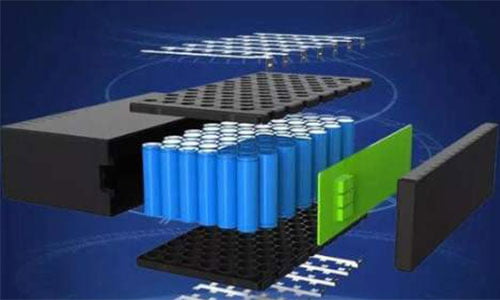
Hardware chemistry alone is insufficient for extreme cold; active thermal management is essential. The 32800 form factor offers a distinct advantage here. Compared to larger prismatic cells, the cylindrical shape provides a more uniform surface area for heat distribution. When integrated into a battery pack, these cells allow for efficient heating strategies, such as internal self-heating pulses managed by the Battery Management System (BMS).
A specialized low-temperature BMS monitors cell temperature in real-time. If the temperature drops below a predefined threshold, the system can initiate a pre-heating cycle using external power or a portion of the battery’s energy before takeoff. This ensures the cells operate within their optimal temperature window (typically 0°C to 45°C) during discharge. For engineers sourcing components, selecting a manufacturer that provides integrated BMS communication protocols is vital for seamless integration into UAV flight controllers.
3. Structural Advantages of the 32800 Form Factor
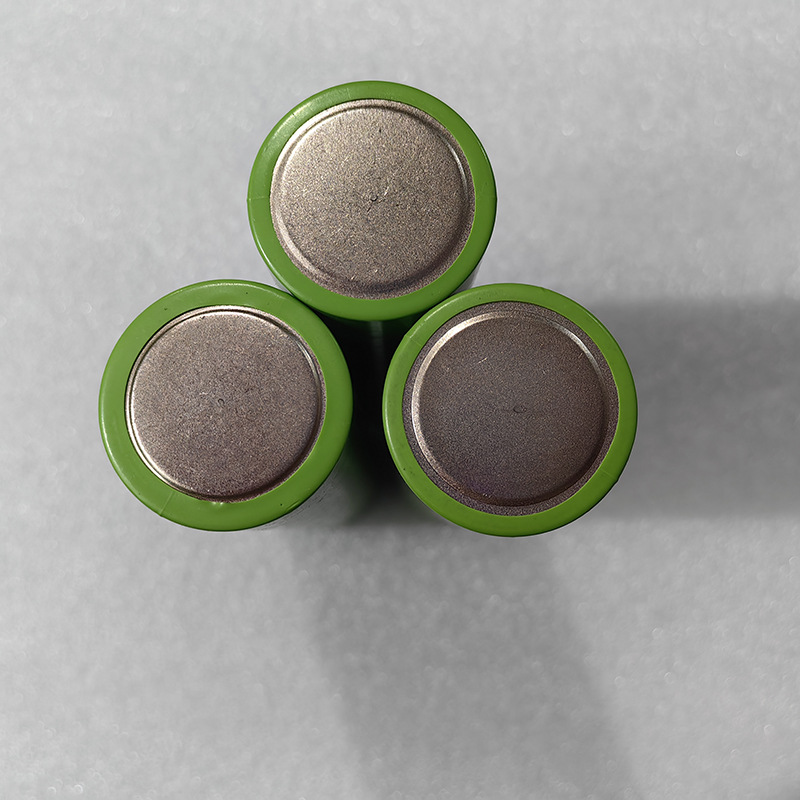
The 32800 cylindrical cell (32mm diameter, 80mm length) represents a strategic middle ground between the ubiquitous 21700 and larger prismatic formats. For UAV applications, mechanical stability is paramount due to vibration and G-forces during flight. The steel casing of the 32800 cell provides superior mechanical protection compared to soft-pouch cells, reducing the risk of physical damage in harsh operational environments.
Furthermore, the higher capacity of a single 32800 cell reduces the total number of cells required in a pack to achieve the same voltage and capacity. This simplifies the welding process, reduces potential failure points in the busbar connections, and lowers the overall complexity of the battery pack assembly. For technical procurement teams, this translates to higher reliability and lower maintenance costs over the lifecycle of the UAV fleet.
4. Safety and Cycle Life in Cold Conditions
Safety is a non-negotiable aspect of UAV battery design. Low temperatures can induce lithium plating on the anode during charging, which may lead to internal short circuits. Our solution emphasizes strict charging protocols managed by smart BMS logic, preventing charging below 0°C without prior heating. Additionally, the robust construction of premium 32800 cells includes pressure relief valves and thermal fuses to mitigate thermal runaway risks.
Cycle life in cold environments is often degraded due to mechanical stress on electrode materials. High-quality cells utilize advanced coating technologies on the cathode and anode to withstand expansion and contraction cycles. This ensures that the battery pack maintains its performance metrics over hundreds of charge-discharge cycles, even when frequently exposed to temperature fluctuations.
Conclusion
Deploying UAVs in cold climates requires a holistic approach that combines advanced cell chemistry, intelligent thermal management, and robust mechanical design. The 32800 Li-ion cell stands out as an optimal choice for balancing energy density with thermal performance. By partnering with experienced battery manufacturers in China, engineers can access customized solutions tailored to specific mission profiles.
For those seeking detailed specifications on our cylindrical cell offerings, please visit our cylindrical battery cell product page. We are committed to providing reliable energy solutions for the aerospace and defense sectors. If you have specific technical requirements or need a custom quote for your UAV project, do not hesitate to reach out through our contact page. Together, we can ensure your operations remain powered, regardless of the temperature.