Mastering the Cold: Complete Low Temperature Performance Solution for ESS Using High-Quality 18650 Lithium Ion Cylindrical Battery Cells
The Challenge of Cold Climates in Energy Storage
In the global transition towards renewable energy, the performance of Energy Storage Systems (ESS) in extreme environments remains a critical bottleneck. For businesses operating in high-latitude regions or areas with severe winters, maintaining the efficiency and longevity of battery systems is a persistent challenge. Standard lithium-ion batteries often suffer from reduced capacity, increased internal resistance, and potential safety hazards when operating below freezing temperatures. This article explores a complete low temperature performance solution for ESS, focusing on the engineering advantages of high-quality 18650 lithium-ion cylindrical battery cells. We will delve into the technical specifications that make these cells ideal for B2B export markets, combining robust chemistry with advanced thermal management to ensure reliable power delivery regardless of the external environment.
Understanding the 18650 Cylindrical Cell Advantage
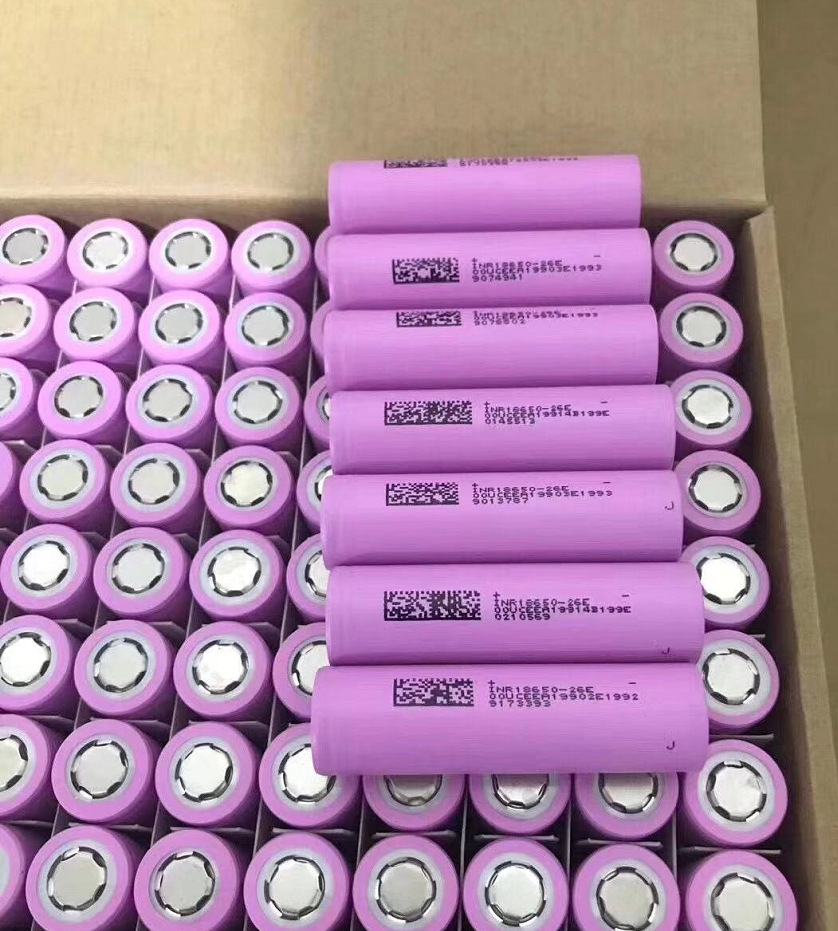
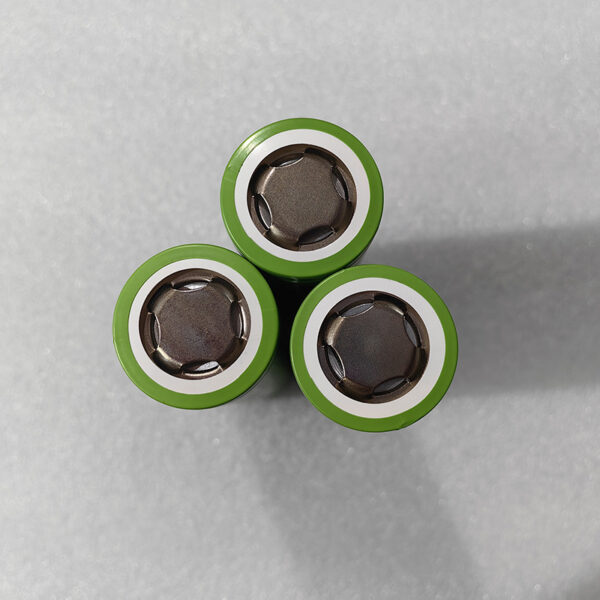
Before addressing low-temperature solutions, it is essential to understand why the 18650 cylindrical cell format remains the gold standard for industrial and commercial ESS applications. The “18650” designation refers to the cell’s dimensions: 18mm in diameter and 65mm in length. Unlike pouch or prismatic cells, the cylindrical format offers superior mechanical stability due to its robust steel or aluminum casing. This structural integrity is crucial for preventing electrode deformation, a common issue that accelerates degradation in cold conditions. Furthermore, the cylindrical design facilitates excellent heat dissipation. In an ESS rack, the uniform shape allows for consistent spacing between cells, enabling efficient airflow or liquid cooling channels. This geometric advantage is the first line of defense in a complete low temperature performance solution, preventing hotspots that can occur when batteries are forced to work harder in the cold.
The Chemistry of Cold Weather Resilience
The heart of any low temperature performance solution lies in the electrochemical composition of the battery. Standard lithium cobalt oxide (LCO) chemistries, common in consumer electronics, perform poorly below 0°C. For ESS applications, high-quality manufacturers utilize modified chemistries such as Lithium Nickel Manganese Cobalt Oxide (NMC) or Lithium Iron Phosphate (LFP) with specific electrolyte formulations. The key innovation is in the electrolyte solvent. Standard electrolytes thicken and eventually freeze in sub-zero temperatures, halting ion movement. Advanced low-temperature electrolytes use co-solvents with lower freezing points, maintaining fluidity and ionic conductivity even at -20°C or -30°C. Additionally, the electrode materials are engineered with nano-structured active materials to shorten the diffusion path for lithium ions. This reduces the internal resistance that spikes in cold weather, allowing the cell to accept charge and deliver power efficiently. For B2B clients, this translates to a system that remains operational during winter peaks without requiring excessive external heating, thereby improving the overall energy return on investment.
Engineering a Complete System Solution
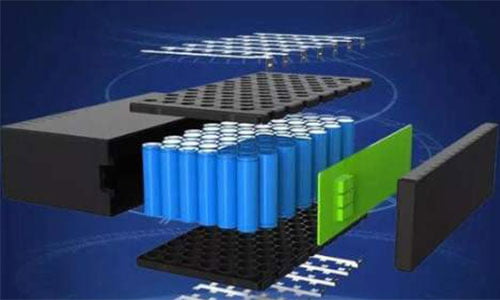
A single cell’s capability is only half the battle; a complete low temperature performance solution requires system-level engineering. This involves integrating Battery Management Systems (BMS) with sophisticated thermal regulation algorithms. In a well-designed ESS using 18650 cells, the BMS monitors individual cell temperatures and modulates the charge/discharge rate to prevent lithium plating—a destructive process where lithium metal deposits on the anode during cold charging. Furthermore, passive or active heating elements are often integrated into the module design. The high volumetric energy density of the 18650 format means that less space is wasted on packaging, allowing for more efficient integration of these thermal components. For exporters, this system-level robustness ensures compliance with international safety standards (such as UL, IEC, or UN38.3), which is non-negotiable in regulated markets. A solution that combines rugged cell construction with intelligent thermal management provides the reliability that commercial clients demand.
Quality Control and B2B Export Considerations
When sourcing high-quality 18650 lithium-ion cylindrical battery cells for ESS projects, B2B clients must look beyond the datasheet. The consistency of the cells is paramount. In a large battery pack containing thousands of cells, a single weak cell can compromise the entire system’s performance in cold weather. Reputable manufacturers employ rigorous grading processes (binning) to ensure that cells within a batch have identical capacity, internal resistance, and voltage characteristics. This uniformity is critical for the BMS to manage the pack effectively. For businesses looking to export, partnering with a manufacturer that adheres to ISO 9001 and IATF 16949 standards is essential. These certifications guarantee that the production process is controlled and traceable, reducing the risk of field failures. Additionally, for markets with strict environmental regulations, ensuring the cells are RoHS and REACH compliant is a necessary step in the supply chain due diligence.
Partnering with Industry Leaders for Global Success
In conclusion, deploying a Complete Low Temperature Performance Solution for ESS requires a strategic partnership with a manufacturer that understands the intricacies of both cell chemistry and system integration. High-quality 18650 lithium-ion cylindrical battery cells offer the durability and consistency needed for global B2B applications. By selecting a partner with a proven track record in advanced manufacturing and quality management, businesses can ensure their energy storage solutions perform reliably in any climate. For those seeking to enhance their product offerings with robust, cold-weather-capable batteries, exploring the technical capabilities of industry leaders is the first step toward market differentiation.
To learn more about advanced cylindrical battery technologies and how they can be integrated into your next project, visit our product page. For specific inquiries regarding export solutions and technical specifications, our team is ready to assist you.
Explore our range of high-performance cylindrical battery cells